 Save
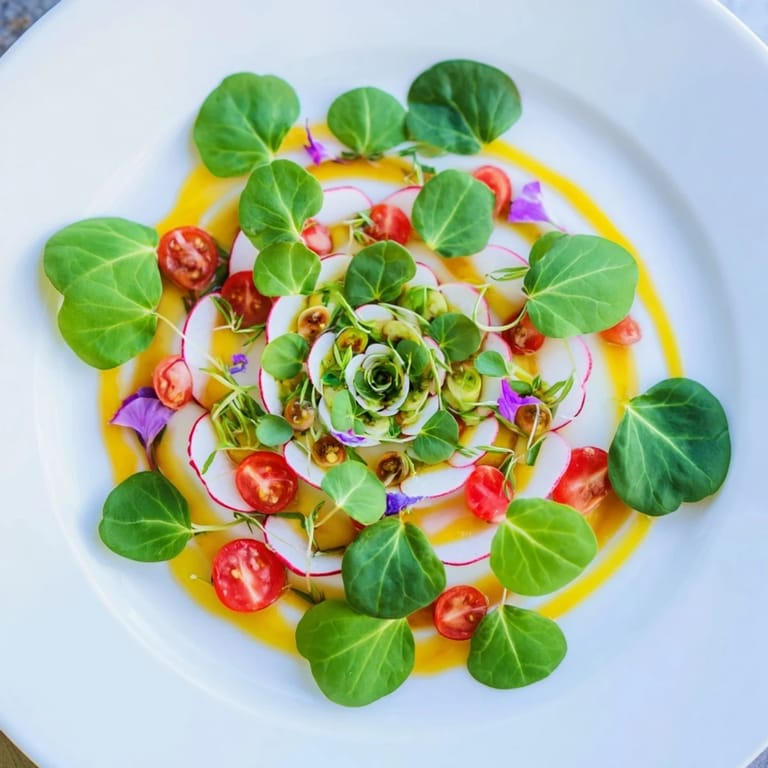
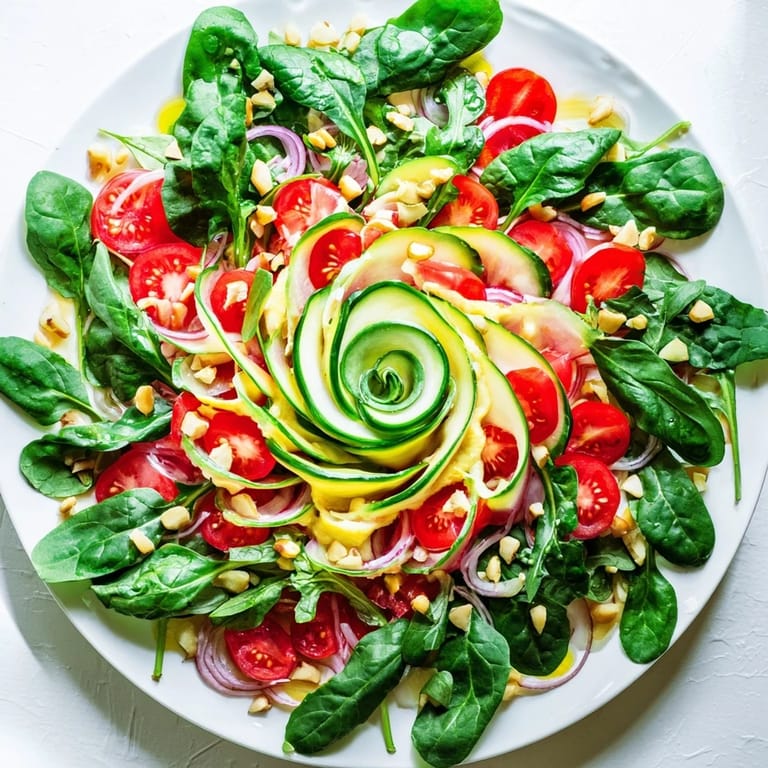
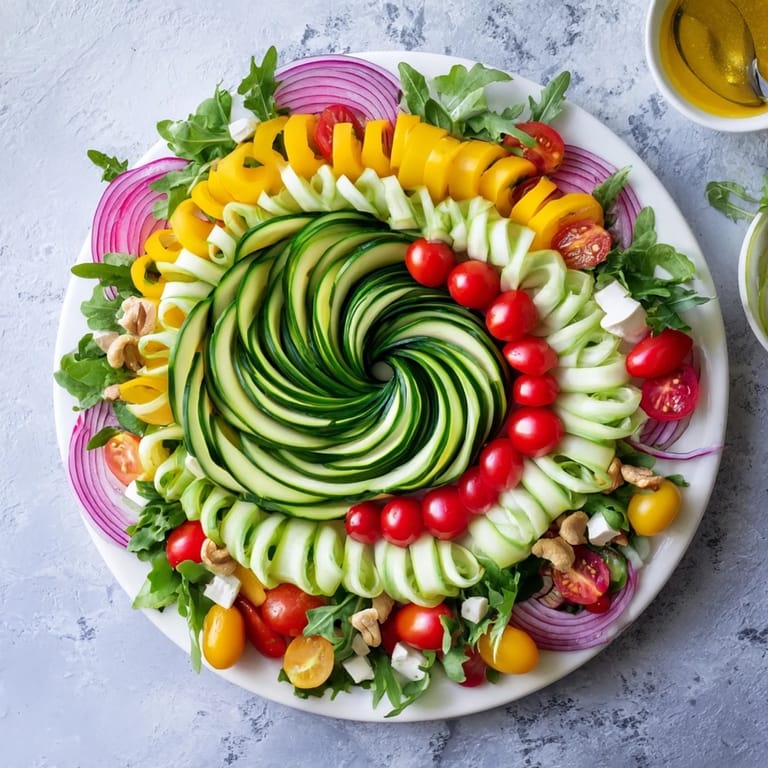
Save I stumbled upon the Fibonacci sequence one afternoon while reorganizing my kitchen, and somehow it clicked that nature's most beautiful pattern could become a dinner plate. The spiral showed up everywhere—in pinecones on my windowsill, in the shells my kids collected—and I wondered if I could arrange vegetables the same way. That evening, I spent an hour laying out baby spinach and arugula in expanding crescents, stepping back after each ring like I was composing something, and when the light hit it just right, I realized I'd made something that looked almost too pretty to eat.
I made this for my partner's work dinner party when I was nervous about impressing people I'd never met, and instead of buying something fancy, I decided to try my spiral theory. Someone asked what restaurant I'd ordered from, and when I said I'd arranged it on our regular platter, the whole table leaned in closer. That's when I knew it wasn't about being complicated—it was about paying attention to what was already beautiful.
Ingredients
- Baby spinach leaves (1 cup): Start with the innermost crescent because spinach is delicate and mild, giving you a gentle flavor base that won't overpower the other greens.
- Arugula (3/4 cup): The peppery second ring brings a subtle bite that makes the whole spiral feel grown-up without being aggressive.
- Cherry tomatoes (1/2 cup, halved): Halve them so their pretty cross-sections show and they sit flat in your expanding arcs without rolling everywhere.
- Cucumber (1/3 cup, thinly sliced): The thinness matters because cucumber has a delicate texture that gets lost if you cut it thick—aim for translucent edges.
- Radishes (1/5 cup, thinly sliced): These are your crunch insurance and their peppery snap keeps things from tasting too mild as the spiral expands.
- Red onion (1/8 cup, finely sliced): Just a thin ring at the outer edge because raw onion can be sharp—this amount adds bite without overwhelming.
- Avocado (1/2 small, sliced): Slice it last and nestle it into the spiral just before serving, or it'll turn brown and sad looking on you.
- Blueberries (1/4 cup): They're your color surprise in the spiral, adding sweetness and small pops of texture between all the vegetables.
- Toasted walnuts (2 tbsp, chopped): Toast them yourself if you can—store-bought toasted ones taste like cardboard, but fresh toasted walnuts have an almost buttery depth.
- Crumbled feta cheese (1/4 cup): The salty, creamy anchor that makes everything else taste more like itself, especially the tomatoes and cucumber.
- Extra-virgin olive oil (3 tbsp): Don't cheap out here because it's the only fat in the dressing and it carries all the flavor—good oil makes this sing.
- Lemon juice (1 tbsp): Fresh lemon only, because bottled tastes metallic and flat against all these bright colors.
- Honey (1 tsp): Just a touch to balance the lemon's sharpness and bring out the sweetness hiding in the tomatoes and blueberries.
- Dijon mustard (1/2 tsp): The emulsifier that helps the oil and lemon become something cohesive instead of separate pools on your plate.
- Salt and freshly ground black pepper: Always finish to taste because you're seasoning all those different textures and you want it to feel bright.
Tired of Takeout? 🥡
Get 10 meals you can make faster than delivery arrives. Seriously.
One email. No spam. Unsubscribe anytime.
Instructions
- Start your spiral base:
- Lay your large round platter in front of you and arrange the baby spinach in a loose crescent shape at the center, like you're drawing the innermost curve of a spiral with your hands. Don't stress about perfection—the spinach leaves are small and forgiving, and overlapping them creates a natural, lived-in look.
- Build the second arc:
- Fan your arugula leaves over the spinach in the next expanding ring, overlapping them slightly like roof shingles so each piece shows its shape. Step back and look at the spiral forming—if it feels lopsided, it's because you're not yet thinking in curves, so adjust until your eye feels satisfied.
- Add color in expanding rings:
- Arrange the cherry tomato halves in the next arc outward, then the cucumber slices, then the radishes, each section a little larger than the last, following the spiral's natural growth. As you work outward, you'll feel the rhythm of it—smaller, closer sections near the center and bigger, more spacious ones as you expand.
- Create the accent ring:
- Lay the red onion slices in a thin line near the outer edge of the spiral, letting them be delicate and sparse so they add flavor without dominating. This is your final vegetable ring, and it frames everything you've done.
- Nestle the soft elements:
- Tuck avocado slices and blueberries into the spiral between the other elements, spacing them for visual balance so the eye travels around the plate. These should feel intentional but natural, like you discovered them already there.
- Top with nuts and cheese:
- Sprinkle the toasted walnuts and crumbled feta evenly over the top of the entire spiral, letting them fall where they will because they'll add texture and visual interest to every section. The feta especially should peek through everywhere so each bite has something creamy.
- Make your dressing:
- Whisk together the olive oil, lemon juice, honey, and Dijon mustard in a small bowl until the mustard is fully incorporated and the mixture starts to emulsify slightly. Taste it straight from the whisk and adjust salt and pepper until it tastes bright and alive enough to be interesting on its own.
- Dress and serve:
- Just before you bring the salad to the table, drizzle the dressing evenly over the arranged spiral in a light, flowing pattern, so every section gets dressed but nothing is swimming. Serve immediately because the moment of presentation is half the magic.
 Save
Save My daughter brought this to a potluck and a kid who usually ate chicken nuggets asked for seconds, which meant the spiral had worked some kind of magic—presentation had made vegetables feel like an adventure instead of a chore. That's the moment I understood that sometimes the way we arrange food matters as much as what goes into it.
Why Arrangement Changes Everything
I've learned that salad doesn't have to be a last-minute dump of greens into a bowl—it can be a moment where you slow down and pay attention to color, texture, and balance. When you arrange things intentionally, you start noticing which vegetables complement each other, and suddenly you understand why restaurants charge what they do. The spiral shape forces you to think about composition, and that attention transforms something ordinary into something memorable.
The Fibonacci Moment
The Fibonacci sequence is math that feels like magic because it shows up everywhere in nature without anyone forcing it there, and once you see it, you can't unsee it. Applying that same spiral to a plate isn't trying to be precious—it's trusting that nature's patterns are already beautiful and just waiting for you to arrange them. When guests realize what you've done, they get it immediately, and suddenly a salad becomes a conversation.
Making It Your Own
The vegetables I've listed are just suggestions, and the spiral works with whatever's fresh and in season—grilled chicken, roasted chickpeas, or crispy tofu spiral just as well if you need protein. Goat cheese works beautifully instead of feta if that's what you have, and sunflower seeds can replace walnuts if anyone has allergies to tree nuts. The dressing also adapts—try balsamic vinegar instead of lemon if you want something deeper, or add a tiny bit of maple syrup if the honey tastes too flower-forward for your taste.
- Prep all your vegetables at once and keep them in separate little piles until you're ready to arrange—it saves you from scrambling when you're trying to build the spiral.
- If you're making this ahead for a party, arrange everything but the avocado and dressing, then finish both right before guests arrive so it stays fresh and vibrant.
- Leftover dressing keeps for a few days in the fridge, but don't pour it on any leftovers until you're ready to eat because the leaves will wilt and lose their crunch.
 Save
Save This salad proved to me that food doesn't have to be complicated to feel special, just intentional. It's become my go-to when I want to slow down and remember that even simple vegetables deserve care.
Recipe FAQ
- → How do I create the spiral arrangement?
Start by placing spinach leaves in a crescent shape as the innermost arc, then layer arugula and other ingredients in expanding sections following the golden spiral ratio.
- → Can I substitute any ingredients for dietary needs?
Yes, goat cheese can replace feta, and adding grilled chicken or chickpeas can increase protein content.
- → What dressing complements this salad?
A simple blend of extra-virgin olive oil, lemon juice, honey, Dijon mustard, salt, and pepper enhances the natural flavors without overpowering them.
- → How should the walnuts be prepared?
Toast the walnuts lightly and chop them to add a crunchy texture and nutty aroma to the salad.
- → Is this salad suitable for gluten-free diets?
Yes, all ingredients are naturally gluten-free, making it ideal for gluten-sensitive diets.