 Save
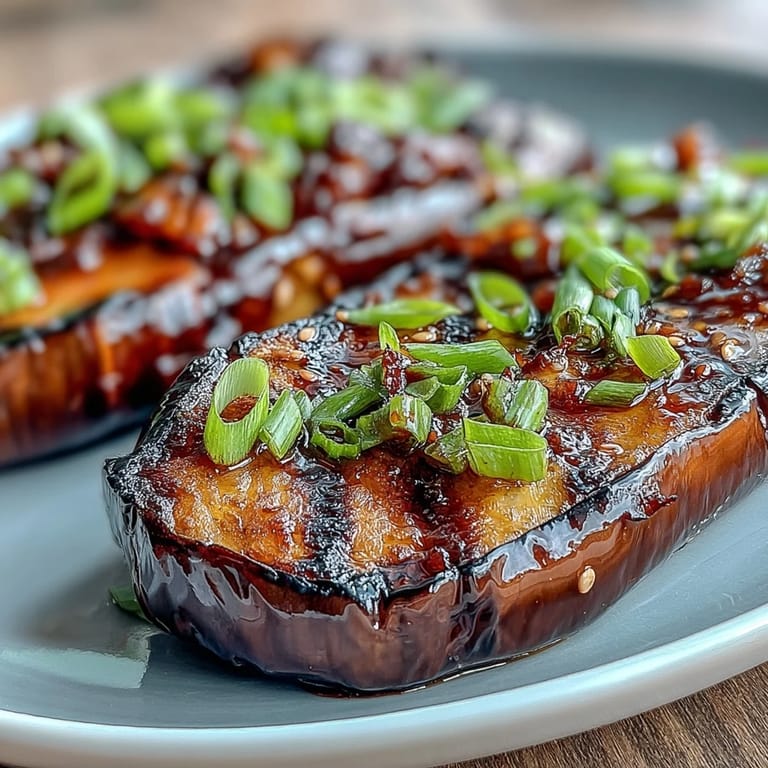
Save The first time I made miso glazed eggplant, I wasn’t chasing a perfect meal—I just wanted to use the miso paste that had lingered in the back of my fridge far too long. As the glaze sizzled under the broiler, the scent pulled everyone to the kitchen, curious and a little impatient. I still remember how the caramelized miso clung to the meltingly soft eggplant, transforming a plain vegetable into something truly irresistible. Sometimes, a recipe sneaks up on you and becomes a quiet staple you reach for without thinking. This dish is one of those quiet surprises, humble but completely captivating every time.
A friend once dropped by right as I was pulling the eggplants out of the oven, and we ended up eating them straight from the pan, barely giving them time to cool. There was laughter, a few burned tongues, and the unplanned sharing made the whole thing feel celebratory.
Ingredients
- Eggplants: Look for firm, glossy eggplants—lighter ones tend to be less bitter, and scoring the flesh lets the flavors seep in deeply.
- White miso paste (shiro miso): Its subtle sweetness and gentle umami create that signature glaze; I always taste and adjust, since miso can vary by brand.
- Mirin: The gentle tang and mellowed sugar give the glaze just the right shine; if you run out, mixing rice vinegar with extra sugar works surprisingly well.
- Sake: This adds nuance and helps create a glaze that bubbles and sticks; I only recently realized the difference it makes when I forgot it once.
- Sugar: The caramelizing magic happens because of sugar, so don’t be tempted to skip it—brown sugar works in a pinch too.
- Soy sauce: Adds savoriness and color; swap with tamari for gluten-free needs without losing flavor.
- Sesame oil: A little brushed on the eggplant before roasting sets the whole dish apart with warmth and nutty aroma.
- Toasted sesame seeds (optional): Adds a gentle crunch—toast them fresh for unbeatable aroma.
- Green onions (optional): A sprinkle brightens each bite, especially if you’re serving to a crowd.
Tired of Takeout? 🥡
Get 10 meals you can make faster than delivery arrives. Seriously.
One email. No spam. Unsubscribe anytime.
Instructions
- Get Prepped:
- Preheat your oven to 400°F (200°C) and cover a baking sheet with parchment paper for easy cleanup.
- Score the Eggplant:
- Using a sharp knife, crosshatch the cut sides of each eggplant half, being careful not to pierce through the skin—this step helps the glaze soak in beautifully.
- Oil and Arrange:
- Brush a thin layer of sesame oil onto each eggplant's cut side, letting the fragrance rise with the warmth of your hand, then place them cut side up on your baking sheet.
- Roast:
- Let the eggplants roast for about 25 minutes; you want the flesh to yield easily to a fork and turn golden at the edges.
- Mix the Miso Glaze:
- While they roast, stir together miso paste, mirin, sake, sugar, and soy sauce in a small saucepan; stir over low heat, watching it go glossy and thick.
- Glaze and Broil:
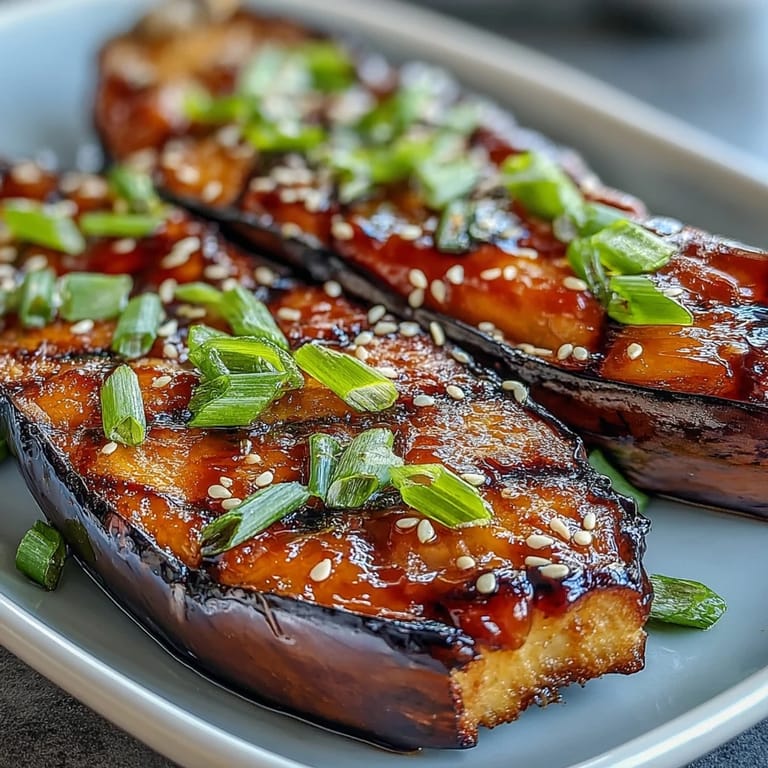
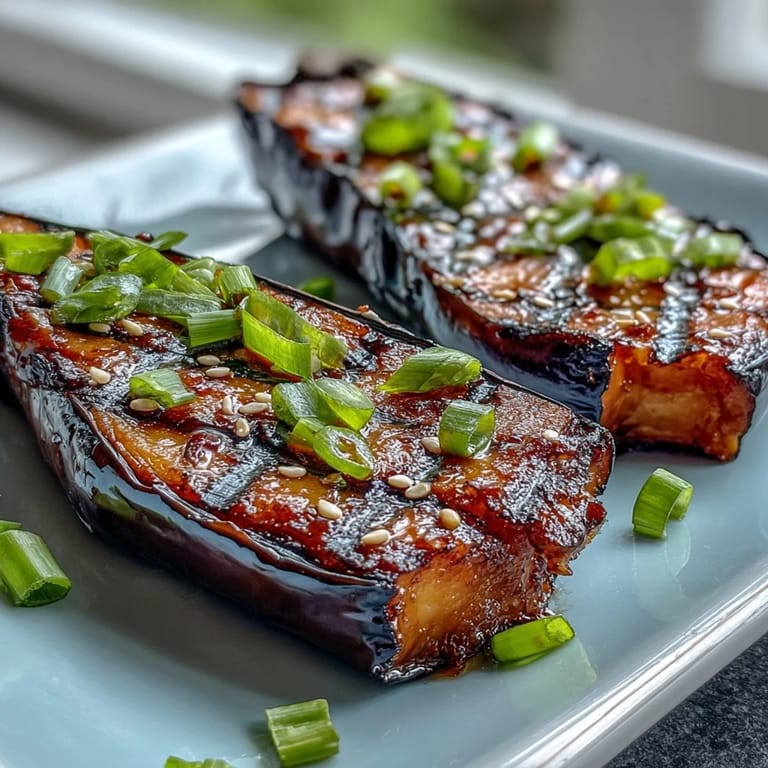
- Pull out the softened eggplant and spread the miso glaze thickly over each half, then broil for 3–5 minutes until bubbling and caramelized—don’t look away now, it can catch faster than you think.
- Finish and Serve:
- Transfer to a platter and shower with sesame seeds and green onions if you like; the aroma at this point is always my cue that dinner is ready.
 Save
Save The first time a niece tried this miso eggplant, she solemnly declared it tasted like “squishy magic” before promptly asking for seconds—sometimes, food delivers more than just flavor.
Finding the Perfect Eggplant
Over time, I’ve learned that medium-sized, lighter eggplants are generally sweeter and less bitter, making for a gentler flavor that everyone enjoys. If you have the chance, pick ones that feel heavy for their size and don’t have any soft spots.
All About the Glaze
Once, I got bold and doubled the miso glaze, saving the extra to drizzle over roasted veggies the next day—it turned even simple steamed rice into something crave-worthy. Letting the glaze bubble just until glossy (not burned) is what takes it from good to unforgettable.
Serving and Leftover Ideas
If there’s ever any left, the eggplant slices love to be tucked into rice bowls, layered in sandwiches, or chopped into salads for lunch the next day.
- Chill leftovers in an airtight container to keep the glaze sticky and delicious.
- Reheat gently so the eggplant doesn’t dry out.
- The glaze also works surprisingly well brushed on mushrooms if you feel like experimenting.
 Save
Save I hope this dish brings you the same simple delight it brings my kitchen: sweet, savory, and always just a little bit special.
Recipe FAQ
- → How do I avoid bitter eggplant?
Choose firm, glossy eggplants and avoid oversized fruit. If concerned, lightly salt the cut flesh and let sit for 15–30 minutes to draw out excess moisture, then blot before cooking. Proper roasting also mellows any lingering bitterness.
- → Can this be made vegan or gluten-free?
Yes. Confirm miso and sake are vegan-friendly, or use a vegan mirin alternative. For gluten-free, swap soy sauce for tamari and check labels on miso paste.
- → How do I get a glossy, well-caramelized glaze?
Warm the glaze until smooth and slightly thickened so it adheres. After spreading over the roasted halves, broil on high for 3–5 minutes while watching closely; the sugars will bubble and caramelize into a glossy finish.
- → Can I grill the eggplant instead of roasting?
Yes. Brush cut sides with oil and grill cut-side down over medium-high heat until tender and charred, then apply the glaze and finish briefly over direct heat to caramelize.
- → What’s the best way to reheat leftovers?
Store cooled eggplant in an airtight container in the fridge for up to 2–3 days. Reheat gently in a preheated oven at 350°F (175°C) until warmed through to preserve texture; a quick broil can refresh the glaze.
- → What should I serve with it?
Serve warm over steamed rice, alongside pickled vegetables, steamed greens or tofu. Toasted sesame and sliced green onions add contrast and freshness.