 Save
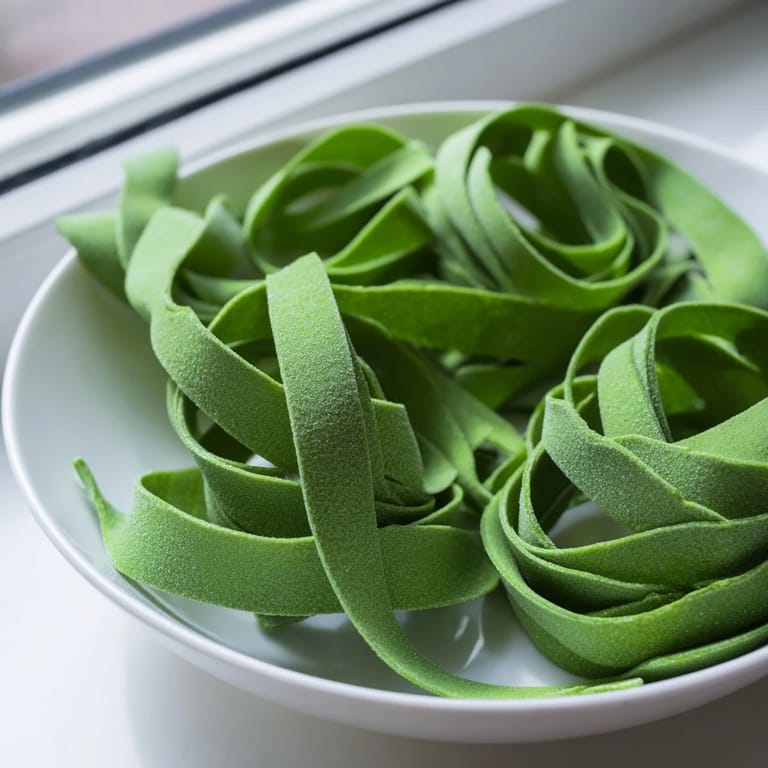
Save The kitchen counter was dusted white, my hands were covered in flour, and I was convinced I'd added too much spinach. The dough looked like something out of a science experiment, bright green and oddly wet. But I kept kneading, trusting the process, and within minutes it transformed into the smoothest, most beautiful emerald dough I'd ever made. That day taught me that pasta making is equal parts patience and faith.
I made this for my sister's birthday dinner, rolling long ribbons of fettuccine while she sat at the counter with a glass of wine. She kept asking if it was hard, and I realized it wasn't, not really. It just required a little time and the willingness to get messy. By the time we sat down to eat, she was already planning her own pasta night.
Ingredients
- Fresh baby spinach (100 g): Baby spinach is tender and mild, so it won't overpower the pasta with a bitter taste, and it blends into a silky puree that distributes color evenly throughout the dough.
- Large eggs (2): Eggs provide the structure and richness that holds the dough together, and their fat content makes the pasta tender when cooked.
- Italian 00 flour (200 g): This finely milled flour creates a soft, silky texture that's essential for delicate fresh pasta, and it absorbs moisture more gradually than all-purpose flour.
- Semolina flour (50 g, optional): Semolina adds a slight bite and helps the dough hold its shape during rolling and cutting, especially if you're making filled pasta like ravioli.
- Fine sea salt (½ tsp): Just enough to enhance the flavor of the dough without making it salty, and it also helps strengthen the gluten structure as you knead.
Tired of Takeout? 🥡
Get 10 meals you can make faster than delivery arrives. Seriously.
One email. No spam. Unsubscribe anytime.
Instructions
- Blanch the Spinach:
- Bring a saucepan of water to a rolling boil, drop in the washed spinach, and let it wilt for just 30 seconds before draining and shocking it under cold water. Squeeze the spinach hard in a clean kitchen towel or between your hands until no more water drips out, because any extra moisture will make your dough sticky and difficult to work with.
- Puree the Greens:
- Finely chop the spinach with a knife or, better yet, blend it in a food processor until it's as smooth as baby food. The smoother the puree, the more evenly the green color will spread through your dough.
- Form the Flour Well:
- Mound your flour, semolina, and salt on a clean countertop and use your fingers to create a wide well in the center, like a volcano. Make sure the walls are thick enough that the wet ingredients won't break through when you add them.
- Combine Wet Ingredients:
- Crack the eggs into the well and add the spinach puree right on top. Use a fork to beat the eggs and spinach together gently, then start pulling in flour from the inner walls of the well a little at a time.
- Knead the Dough:
- Once the mixture becomes too thick to stir, use your hands to bring it all together into a shaggy mass, then knead it firmly for 8 to 10 minutes until it feels smooth, elastic, and slightly tacky but not sticky. If it sticks to your hands, dust lightly with flour, and if it feels dry and crumbly, wet your hands and continue kneading.
- Rest the Dough:
- Wrap the dough tightly in plastic wrap and let it rest on the counter for at least 30 minutes. This resting time allows the gluten to relax, making the dough much easier to roll out thin.
- Roll and Cut:
- Unwrap the dough, cut it into quarters, and roll each piece through a pasta machine starting at the widest setting and working down to your desired thickness, or use a rolling pin and plenty of elbow grease. Cut into fettuccine, lasagna sheets, or whatever shape your heart desires.
- Cook Fresh Pasta:
- Drop the pasta into a large pot of boiling salted water and cook for just 1 to 2 minutes until it floats and is tender but still has a little bite. Fresh pasta cooks fast, so don't walk away.
 Save
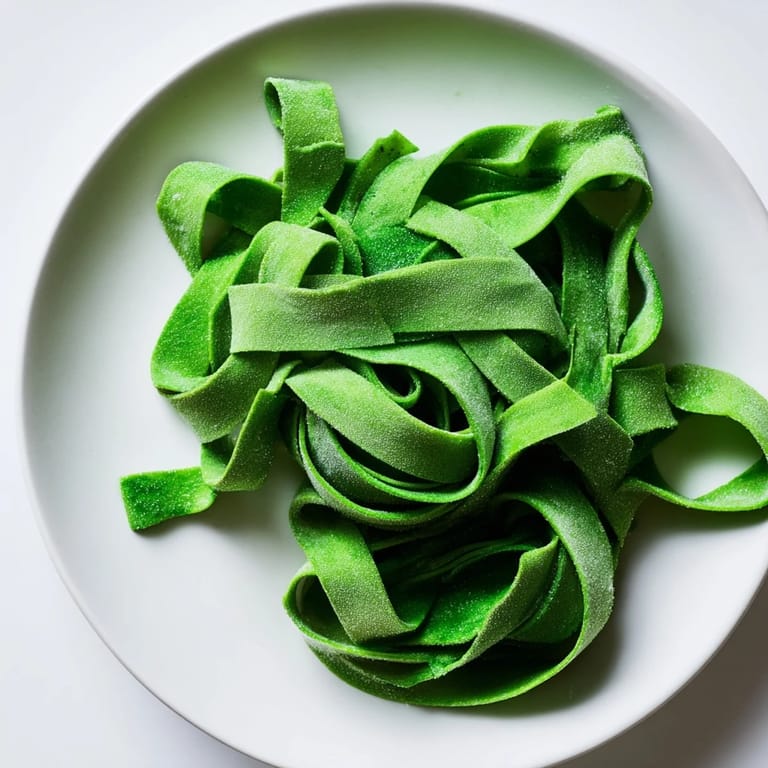
Save There's a moment when you hang the freshly cut pasta over a wooden rack or the back of a chair, and it looks like something from a tiny Italian village. My daughter walked in once, saw the green strands drying, and said it looked like magic. I suppose it is, in a way, turning a handful of simple ingredients into something that feels like a gift.
How to Store and Freeze
If you're not cooking the pasta right away, dust it generously with semolina or flour and let it dry on a rack for about 30 minutes before transferring it to an airtight container in the fridge, where it will keep for up to 24 hours. For longer storage, freeze the cut pasta in a single layer on a baking sheet until solid, then transfer to a freezer bag and cook directly from frozen, adding an extra minute to the boiling time. I always make extra now because having homemade pasta in the freezer feels like having a secret weapon for weeknight dinners.
What to Serve It With
This vibrant pasta pairs beautifully with simple sauces that let the color and flavor shine through, like brown butter and sage, a light cream sauce with garlic, or just good olive oil with Parmesan and cracked pepper. I've also used it for lasagna, layering the green sheets with ricotta and marinara, and the contrast is stunning on the plate. One of my favorite tricks is to toss it with roasted cherry tomatoes and fresh mozzarella, the red, white, and green make it look like you tried much harder than you did.
Troubleshooting and Variations
If your dough feels too dry and won't come together, resist the urge to add more egg, instead, dip your fingers in water and work the moisture in gradually until it softens. If it's too wet and sticky, don't panic, just keep adding small pinches of flour as you knead until it reaches the right consistency. You can swap in whole wheat flour for half the 00 flour if you want a nuttier flavor and a little more texture, though the dough will be slightly denser and may need a touch more water.
- Add a pinch of nutmeg to the flour for a subtle warmth that complements the spinach beautifully.
- Try using kale or chard instead of spinach for a deeper green color and a slightly earthier taste.
- For herb-infused pasta, blend in a handful of fresh basil or parsley along with the spinach.
 Save
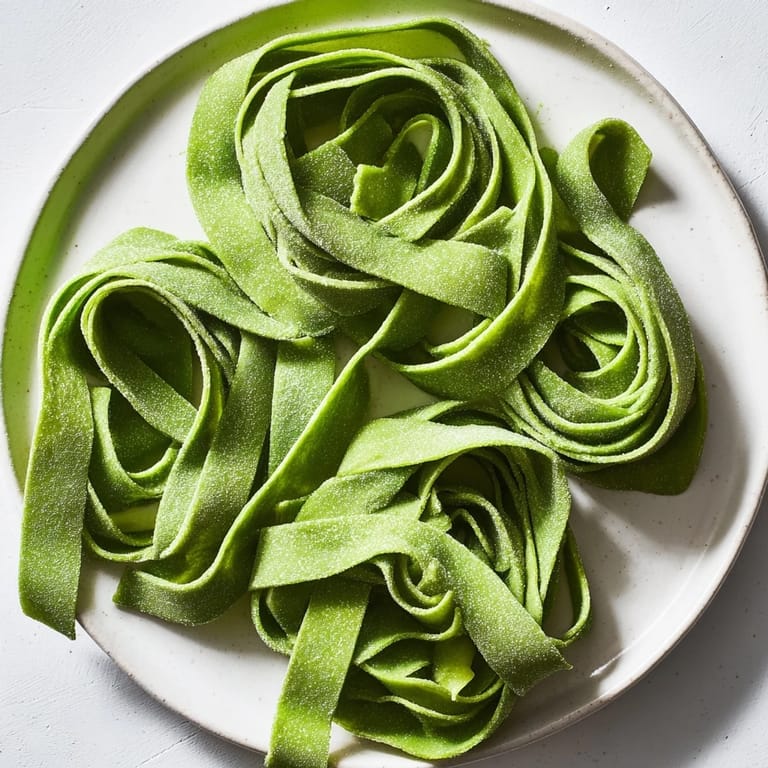
Save Making pasta from scratch might seem like a weekend project, but once you get the feel for it, it becomes second nature. This spinach dough has earned a permanent spot in my kitchen, not just because it's beautiful, but because it reminds me that the best meals are the ones you make with your own hands.
Recipe FAQ
- → How do I remove excess moisture from blanched spinach?
After blanching for 30 seconds and rinsing under cold water, place the spinach in a clean kitchen towel or cheesecloth and squeeze firmly until no liquid drips out. This prevents the dough from becoming too wet and sticky.
- → Can I make this dough in advance?
Yes, wrap the kneaded dough tightly in plastic wrap and refrigerate for up to 24 hours. Let it come to room temperature for 15-20 minutes before rolling and shaping for easier handling.
- → What's the difference between Italian 00 flour and semolina?
Italian 00 flour is finely milled wheat that creates silky, tender pasta, while semolina flour has a coarser texture and adds bite and color. Using both together provides the best balance of texture and flavor.
- → How long should I cook fresh spinach pasta?
Fresh pasta cooks much faster than dried pasta—typically 1-2 minutes in boiling salted water. Test a piece after 1 minute; it should be tender but still have a slight firmness when bitten (al dente).
- → Why is my dough too sticky or too dry?
If sticky, dust with a little additional flour and knead briefly. If too dry, sprinkle a few drops of water and incorporate gradually. The humidity level and spinach moisture content may require small adjustments.
- → Can I add nutmeg to enhance the flavor?
Absolutely. A small pinch of nutmeg complements the earthy spinach beautifully. Add it to the flour mixture before creating the well, or sprinkle it with the spinach puree for well-distributed flavor.