 Save
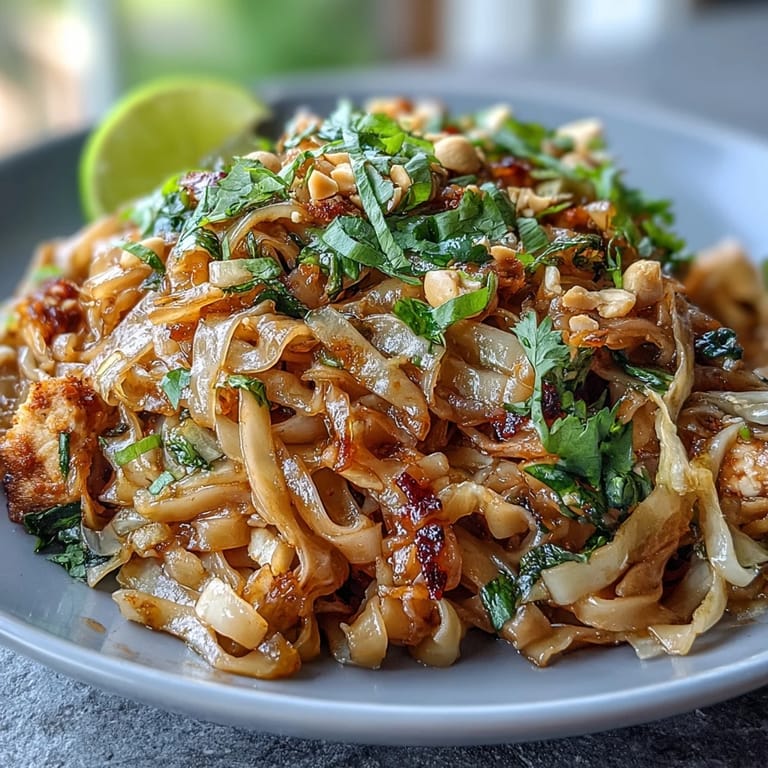
Save The sound of garlic sizzling in the wok always wakes up my appetite, but nothing caught me off guard quite like the first time I swapped noodles for shredded cabbage in a dish I'd long considered sacred. I stumbled across the idea after a weekend market haul left me with an intimidating mountain of cabbage. There was skepticism, sure, but the aroma of ginger and scallion mingling with lime soon overpowered any doubts. Cooking that evening felt like a leap, yet it ended in laughter over empty bowls and sticky fingers, the table full of fresh, zesty flavors. That crunchy, vibrant “noodle” experience turned out to be a revelation I couldn't gatekeep for long.
One time, my friend Lisa dropped by unexpectedly—starving and skeptical about anything with “cabbage” in the name. Halfway through prepping, she tried to sneak a bite of raw veggies, and by the end, we were both fighting for the last saucy forkful right out of the pan. Sharing this quick fix became a ritual every time fridge clean-out day approached.
Ingredients
- Green cabbage: Shredded fine, it soaks up all the sauce—use a sharp knife or mandoline for best ribbons.
- Carrot: I’ve found quick julienning makes for the prettiest pops of color and crunch.
- Red bell pepper: Thin slices sweeten the dish and contrast the green.
- Scallions: Using both white and green keeps flavors layered and fresh.
- Garlic: A must for that authentic Thai-inspired aroma.
- Ginger: Grating it releases its punchy oils—don’t skip for brightness.
- Eggs: Scrambling them in the pan brings silkiness and binding.
- Chicken, shrimp, or tofu: Each brings its own charm; don’t be afraid to change it up.
- Tamari or soy sauce: The salty-sweet foundation—tamari if you want gluten-free.
- Fish sauce or extra tamari: Adds depth; veggie versions work with a swap or omission.
- Lime juice: Squeeze it just before serving for sharp, fresh zing.
- Peanut butter: Creamy or chunky, it melts into the sauce for the best texture.
- Sweetener (erythritol, monkfruit, or honey): Balances flavors without making things cloying.
- Chili flakes or Sriracha: Never underestimate the power of a tiny kick—add to taste.
- Peanuts: Sprinkle generously for that classic Pad Thai finish and crunch.
- Fresh cilantro: A handful wakes up the final dish like nothing else.
- Lime wedges: Serve with extra for another citrusy hit at the table.
Tired of Takeout? 🥡
Get 10 meals you can make faster than delivery arrives. Seriously.
One email. No spam. Unsubscribe anytime.
Instructions
- Whisk the sauce:
- In a small bowl, blend tamari, fish sauce, lime juice, peanut butter, sweetener, and chili (if using) until totally smooth and a little glossy.
- Sauté aromatics:
- Heat oil in your largest skillet or wok; add garlic, ginger, and white scallions, stirring fast to catch the scent just as it blooms.
- Cook the veggies:
- Toss in cabbage, carrot, and bell pepper, keeping them moving until bright and crisp-tender, about 4–5 minutes.
- Scramble the eggs:
- Clear a space in the pan; crack in the eggs, let them set slightly, then stir everything together for a ribboned effect.
- Add protein and sauce:
- Stir in your chicken, shrimp, or tofu, then pour over the sauce, tossing so every bite is slicked and nothing sticks to the bottom.
- Finish and top:
- Off the heat, scatter green scallion tops, peanuts, cilantro, and squeeze over extra lime—pause to inhale before serving.
- Serve up:
- Dish hot to plates or bowls and dig in while everything’s still vivid and just-cooked.
 Save
Save 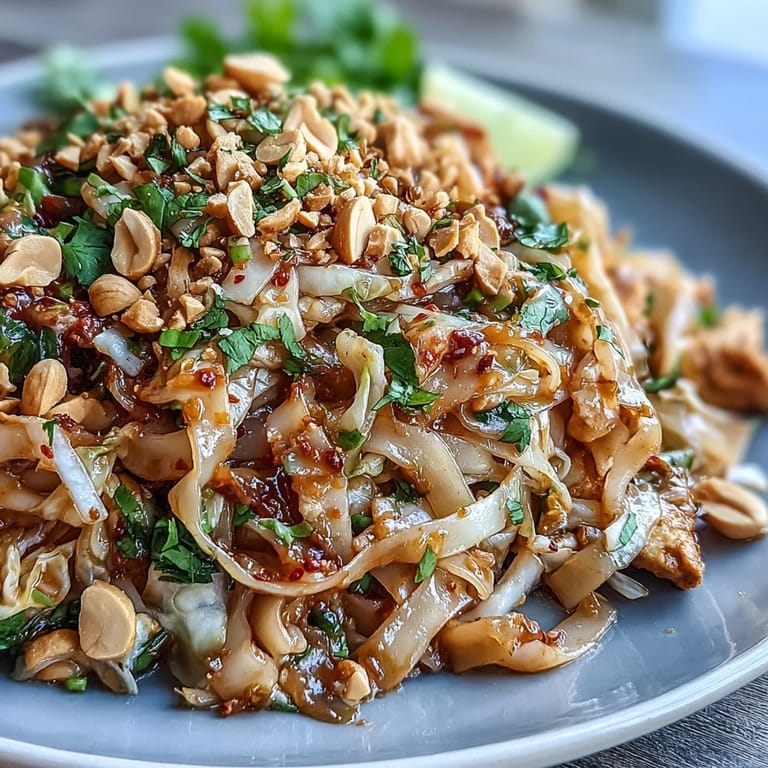 Save
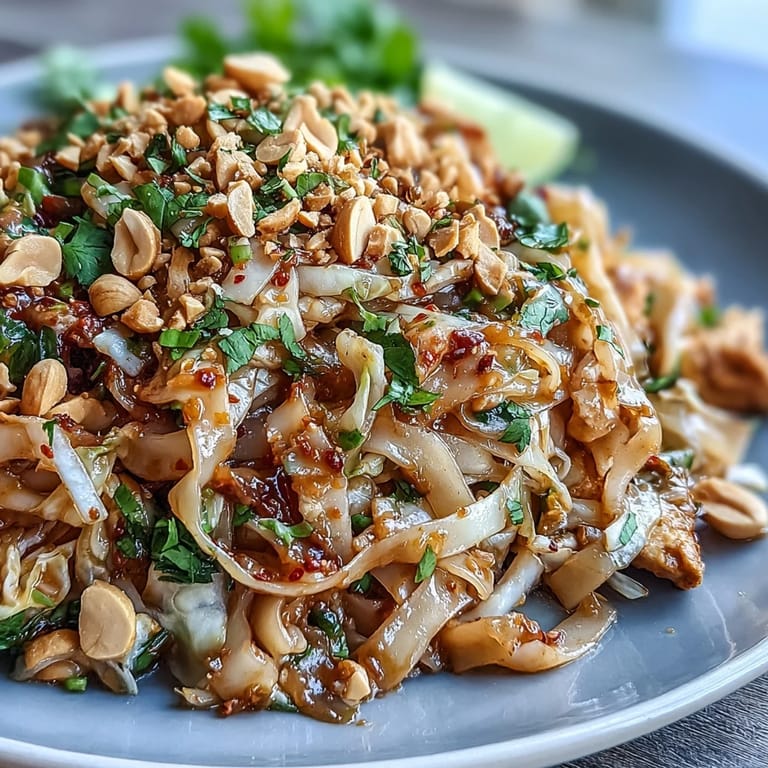
Save I’ll never forget the batch I made for my cousin’s potluck—people circled back three times, not realizing the “noodles” were actually cabbage until the platter was bare and I finally gave up the secret. That day, it felt less like a dietary swap and more like an upgrade that everyone claimed for themselves.
Making Pad Thai Low-Carb Without Losing Flavor
I was skeptical that cabbage could satisfy my cravings for real Pad Thai, but the first time I tossed it with tangy sauce and crushed peanuts, I stopped missing rice noodles. The key was letting the sauce caramelize slightly at the very end for extra depth. I learned quickly that seasoning with enough lime, sweetener, and just a bit of chili erased any thoughts of this being a compromise.
Protein and Topping Swaps for Any Crowd
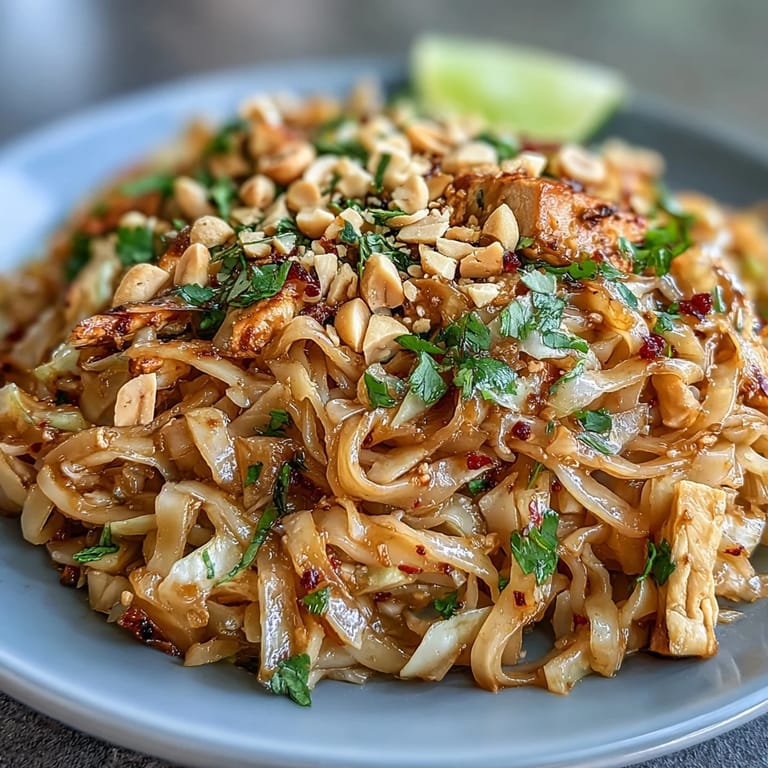
One perk of making this recipe is how flexible it is—sometimes tofu, sometimes chicken, and on one memorable evening, giant shrimp that made everyone at the table cheer. If you need to accommodate allergies or preferences, simply keep the sauce and toppings on the side so everyone customizes their bowl. Don’t skimp on chopped peanuts or fresh herbs—they dress the cabbage up wonderfully.
Practical Kitchen Tips for the Best Cabbage Pad Thai
The sauce truly pulls this dish together—taste and adjust it before cooking, since cabbage varies in sweetness. Use your largest skillet or wok and avoid crowding so the veggies stir-fry instead of steam. Prep all your ingredients before starting since things move quickly once you’re at the stove.
- Dry cabbage with towels if it’s wet to prevent soggy results.
- A sprinkle of toasted sesame oil right at the end adds incredible aroma.
- Always finish with fresh lime to balance every bite.
 Save
Save 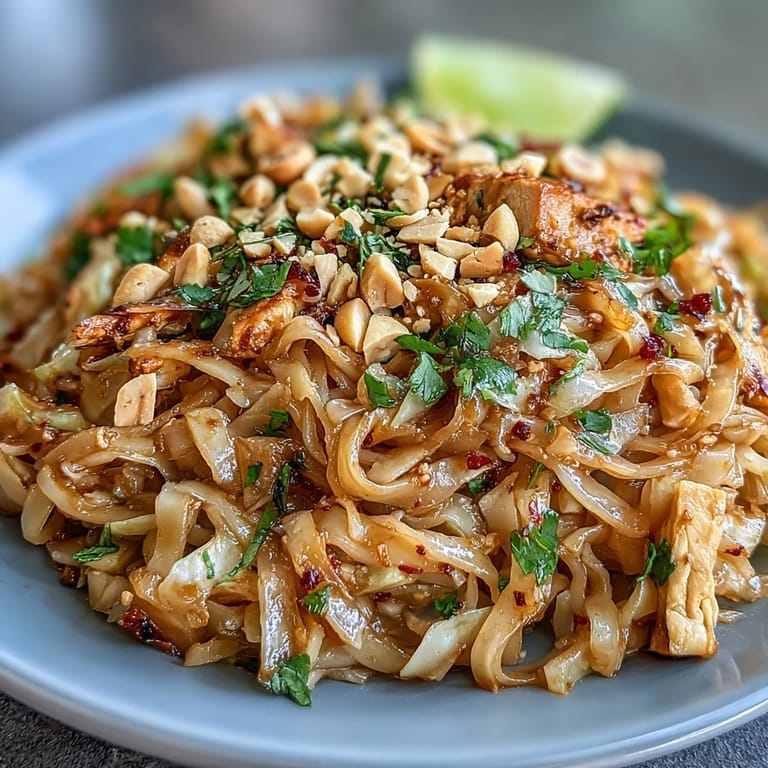 Save
Save Whenever you need a dinner that surprises and satisfies, this Cabbage Pad Thai is my trusty go-to. Hope it brings a little extra thrill to your own weeknight rotation.
Recipe FAQ
- → Can I use a different cabbage variety?
Napa or savoy cabbage both work well when thinly shredded; they stay tender while retaining some crunch. Avoid very thick leaves unless sliced very thin to prevent long cooking times.
- → How do I make this vegetarian or vegan?
Use firm tofu and omit fish sauce, replacing it with extra tamari and a splash of seaweed-based seasoning if you want umami. Swap honey for a plant-based sweetener like maple or erythritol as needed.
- → How can I keep the dish from becoming soggy?
Cook over high heat without overcrowding the pan so moisture evaporates quickly. Stir-fry cabbage only until crisp-tender and drain any excess liquid from proteins before adding them back in.
- → What are good substitutes for peanuts if someone is allergic?
Use sunflower seed butter or tahini in the sauce and top with toasted pumpkin or sunflower seeds for crunch. Ensure any swap is toasted lightly for best flavor.
- → How should I adjust seasoning for heat and sweetness?
Taste the sauce before tossing: increase sweetener a little for balance, and add chili flakes or Sriracha gradually to reach your preferred spice level. Lime brightens the final dish.
- → Is this suitable for meal prep and reheating?
Yes—store the stir-fry in an airtight container and keep crunchy toppings and lime wedges separate. Reheat gently in a skillet to preserve texture; add fresh scallions and peanuts just before serving.