 Save
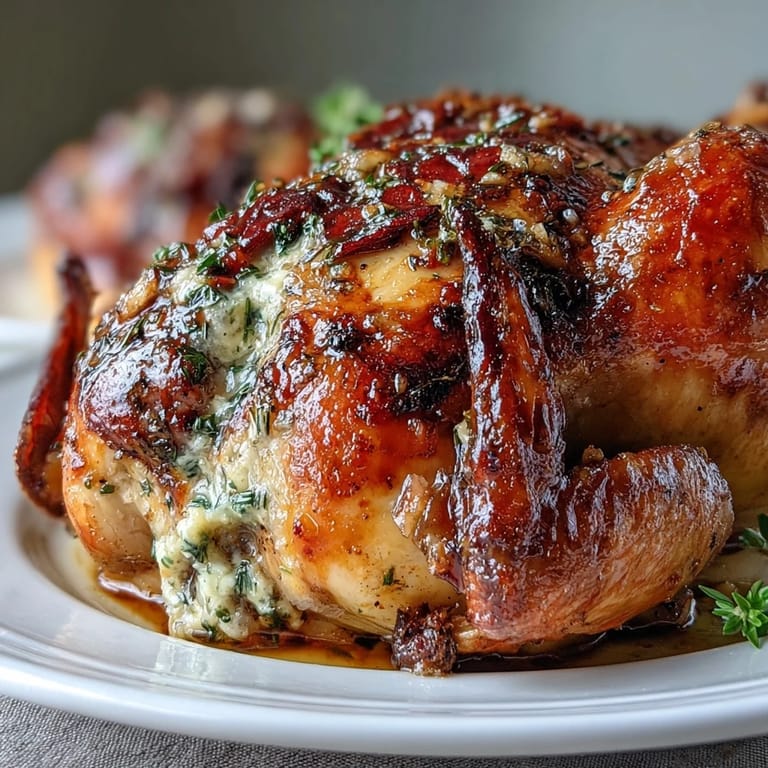
Save Butter melting between my fingers, vibrant green flecks of herbs, and a zesty punch of preserved lemon—putting together this roasted chicken isn’t just dinner, it’s a mini event. One chilly afternoon, my kitchen windows fogged while I worked the herby mixture under the chicken skin, everyone around drawn in by the unmistakable promise of something indulgent. Sometimes the radio plays softly when I cook this, but mostly it’s the sizzle and aroma that fill the space. There’s a real satisfaction in laying the chicken on a bed of veggies, feeling like I’m layering in future flavor with every step. The crispy skin at the end seems less like an achievement and more like a little celebration for making it all the way through.
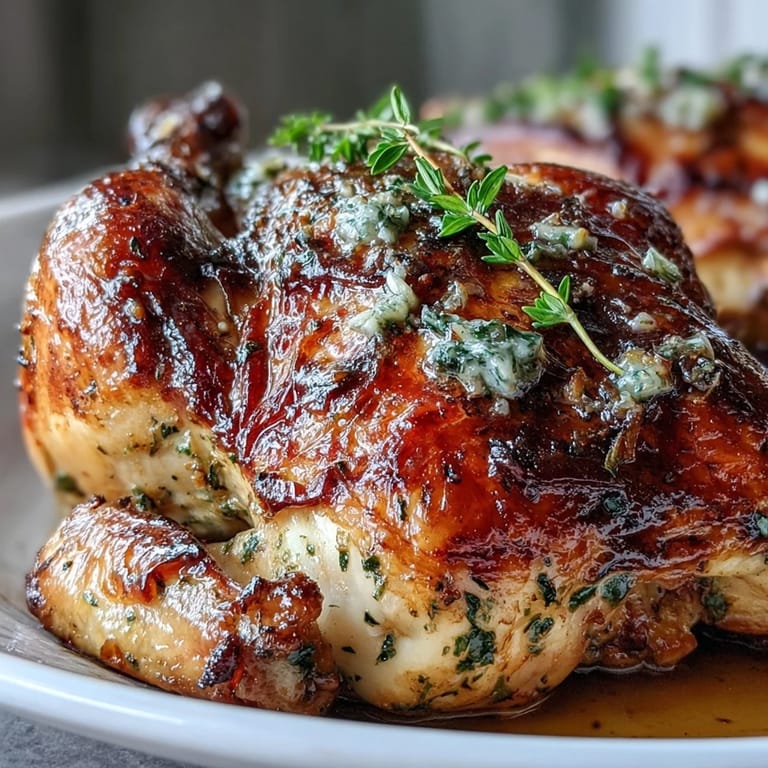
The last time I made this chicken was during a low-key Friday gathering where everyone hovered dangerously close to the oven, drawn in by the savory aroma. My nephew kept peeking over the counter, asking if it was ready every five minutes, which only added to the anticipation and joy of finally serving it, glistening and golden, right from the roasting pan.
Ingredients
- Unsalted butter: It’s best at room temperature, and personally I like to use a spatula to keep the mess in check when mashing in the herbs and lemon.
- Fresh parsley, thyme, and rosemary: Chop them really fine—the flavor spreads more evenly this way and there’s nothing quite like the punch of real herbs versus dried in this recipe.
- Garlic cloves: I mince mine extra small so it melts into the butter without leaving sharp bites.
- Preserved lemon: If you can get your hands on it, this ingredient transforms the whole chicken; otherwise, zest will work—but it’s not the same.
- Sea salt and black pepper: Measuring helps, but don’t be shy if you like a strong finish on your skin.
- Whole chicken: Pat it as dry as possible—paper towels work wonders and will reward you with that crackling skin.
- Carrots, celery, onion: These not only boost the flavor but act as a roasting rack, so nothing sticks to the pan.
- Olive oil: A drizzle over the top crisps things up surprisingly well and gives color.
- Dry white wine or chicken broth: I love wine for depth, but broth keeps it family-friendly and just as juicy.
- Extra lemon and onion for stuffing: Adds moisture and a subtle perfume inside the bird.
- Fresh herbs for stuffing: Throw in the leftover stems—they still give up tons of flavor.
Tired of Takeout? 🥡
Get 10 meals you can make faster than delivery arrives. Seriously.
One email. No spam. Unsubscribe anytime.
Instructions
- Prep the Oven and Veggies:
- Set your oven to 220°C (425°F) and arrange the carrots, celery, and onion in the base of your roasting pan, letting their scent drift through the kitchen as you go.
- Mix the Herb Butter:
- In a small bowl, blend the butter, chopped herbs, garlic, preserved lemon, salt, and pepper until it’s a fragrant green-speckled paste you’ll wish you could spread on everything.
- Butter Under the Skin:
- Gently lift the chicken skin with your fingertips, taking care not to tear it, then massage most of the herb butter right onto the meat underneath—the rest goes generously over the outside.
- Stuff the Cavity:
- Tuck preserved lemon, onion, lemon halves, and a tangle of fresh herbs inside the chicken cavity, pressing in until it’s snug but not bursting.
- Truss and Arrange:
- Tie the legs together with kitchen twine and tuck the wings under, then perch the chicken breast side up on your veggie bed and pour in the wine or broth.
- Season and Begin Roasting:
- Drizzle with olive oil and give a good shower of salt and pepper before sliding into the hot oven; listen for the first sizzle.
- Reduce Heat and Roast:
- After 20 minutes, turn the oven down to 180°C (350°F) and roast for about an hour, basting every so often with pan juices—the aroma is a promise of what’s to come.
- Rest and Carve:
- Let the golden chicken rest under foil for 15 minutes after roasting, then carve and serve with the buttery vegetables and flavorful pan juices.
 Save
Save 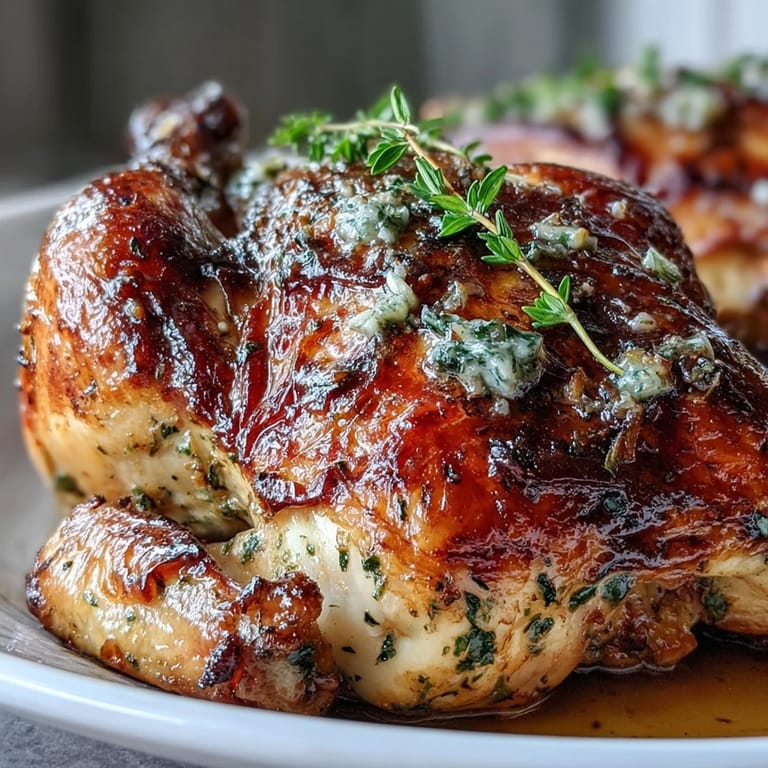 Save
Save A handful of us once polished off this entire chicken in near silence—the kind of moment where the only conversation is about who gets another piece of the crunchy, herby skin. Afterward, the pan juices were frantically mopped up with bread, and we agreed right then this recipe was now non-negotiable for any family roast night.
Making the Most of Your Roasting Pan
I’ve found that arranging your vegetables in a snug single layer not only flavors the chicken but helps everything brown more evenly underneath. Clear up any sticking worries by making sure the wine or broth thoroughly covers the base—nothing burns, and your cleanup stays easy.
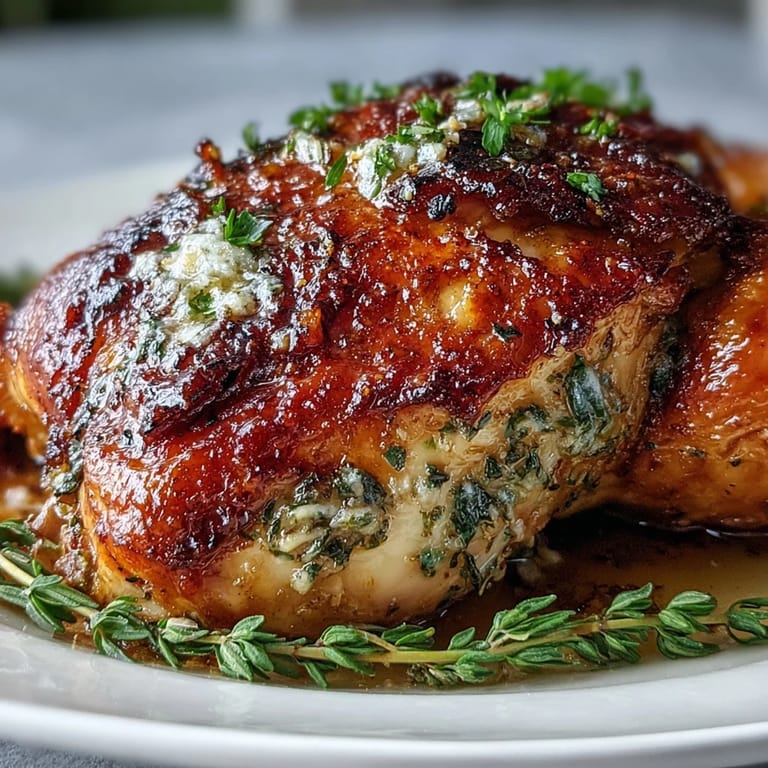
The Secret to Crispy Skin
The driest possible skin is the name of the game. I like to let the chicken sit uncovered in the fridge for up to an hour if I have time, almost like a mini air-dry; it makes a bigger difference than you’d expect.
Serving Suggestions That Never Fail
All those fragrant pan juices are irresistible as a sauce, but this chicken loves a pile of roasted potatoes or a peppery arugula salad on the side. Don’t forget to offer plenty of bread—the crispier the better—for sopping up every last drop at the table.
- Let the chicken rest so the juices don’t run out when you carve it.
- Save the bones for a next-day broth—nothing goes to waste.
- If you want an extra pop, sprinkle lemon zest right before serving.
 Save
Save  Save
Save If you’re craving something showy but stress-free, this roast chicken is a solid bet. Close your eyes and savor the mingling of herbs, lemon, and buttery richness in every bite—it really is as good as it smells.
Recipe FAQ
- → How do I get extra crispy skin?
Pat the chicken very dry before applying the herb butter, roast initially at a high temperature (220°C) for 20 minutes, then reduce heat. Leaving the skin exposed and basting sparingly with pan juices helps it brown and crisp without steaming.
- → Can I substitute preserved lemon?
Yes. If preserved lemon isn't available, use finely grated lemon zest plus a little extra salt to mimic the bright, tangy note. Add a touch of chopped caper or a squeeze of lemon juice if you want more acidity.
- → What internal temperature ensures doneness?
Cook until an instant-read thermometer inserted into the thickest part of the thigh reads 75°C (165°F). Let the bird rest 15 minutes to allow juices to redistribute before carving.
- → How should I baste and for how long?
Baste occasionally after the initial high-heat roast using pan juices or a little melted butter. Continue roasting at 180°C until the proper internal temperature is reached; excessive basting can slow browning, so do it sparingly.
- → Can I roast vegetables with the chicken?
Yes. Place carrots, celery and onion in the roasting pan to form a flavorful bed. They caramelize in the pan juices and create a natural gravy when deglazed with wine or broth at the end.
- → Any tips for uneven cooking on larger birds?
Tuck wings and tie the legs to promote even cooking. If the breasts brown too quickly, tent loosely with foil while the thighs reach the target temperature. An instant-read thermometer is the most reliable guide.