 Save
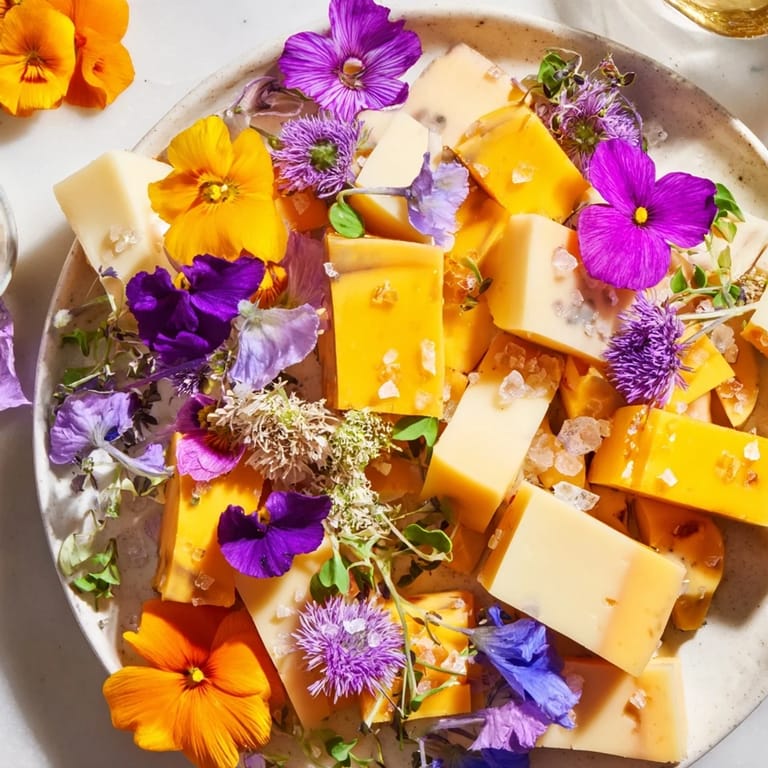
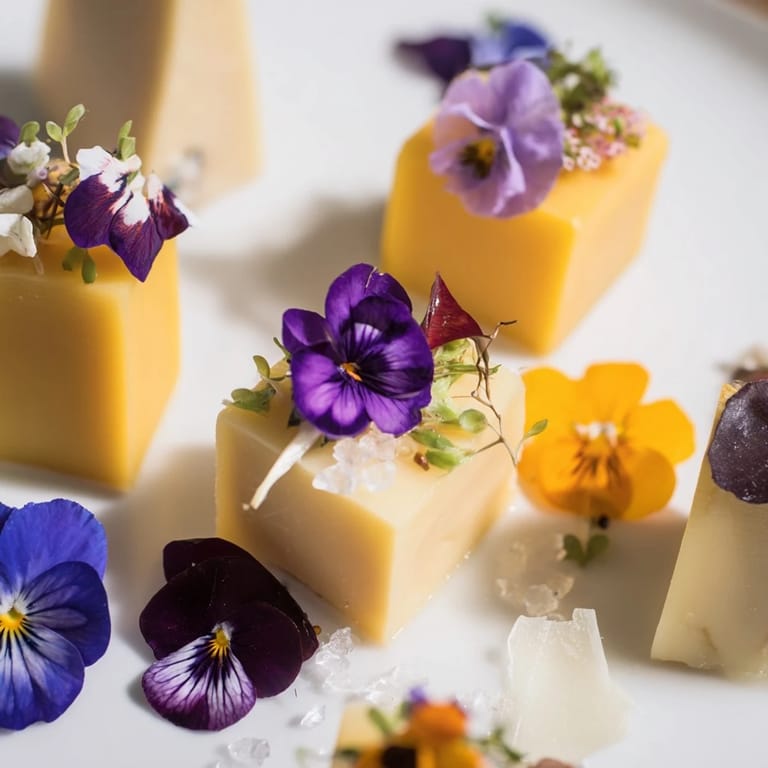
Save The first time I created something called a Secret Garden on a platter, I wasn't thinking about fancy dinner parties or Instagram-worthy presentations. I was actually standing in my farmer's market on a humid Saturday morning, surrounded by bunches of edible flowers I'd never seen before, and a farmer mentioned they were perfect for cheese boards. That throwaway comment sparked something—what if I built an entire appetizer around the idea of hiding treasures? Now whenever I arrange these cheese cubes beneath a canopy of microgreens and flowers, I'm reminded of that conversation and the simple joy of discovering something delicious beneath a beautiful surface.
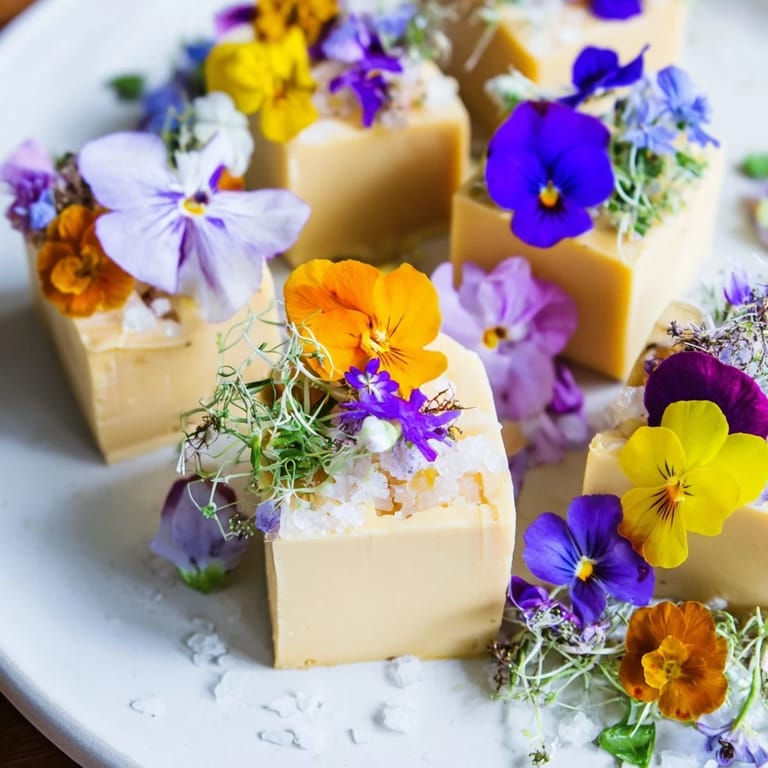
I served this at my sister's engagement party last spring, and I watched her fiancé's face light up when he bit into a violet-wrapped cube of aged cheddar. He kept asking what was in it, convinced there was some secret ingredient, when really it was just the pleasure of the unexpected—the interplay of textures, the subtle floral sweetness against sharp cheese. That moment taught me that sometimes the most memorable food experiences aren't about complexity; they're about delight.
Ingredients
- Aged cheddar: The sharpness cuts through the delicate flowers and creates a savory anchor; buy a good block and cube it yourself rather than pre-cut for better texture.
- Goat cheese: Adds a creamy, tangy note that feels lighter than hard cheeses; it's the unexpected softness in this garden.
- Gruyère: This is your umami boost, bringing a subtle nuttiness that makes people pause and wonder what they're tasting.
- Microgreens: Pea shoots are peppery and sturdy, radish greens add bite, and mixed micro herbs feel most garden-like; they're not just decoration, they're flavor.
- Edible flowers: Nasturtiums taste peppery, pansies are almost sweet, violets have a delicate floral note, and borage tastes surprisingly like cucumber; source them from trusted suppliers and never guess.
- Extra virgin olive oil: A light drizzle (optional) adds a whisper of richness without overwhelming the delicate balance.
- Flaky sea salt and black pepper: These aren't afterthoughts; they're what make every bite sing with intention.
Tired of Takeout? 🥡
Get 10 meals you can make faster than delivery arrives. Seriously.
One email. No spam. Unsubscribe anytime.
Instructions
- Prepare your canvas:
- Arrange the three types of cheese cubes across your board or platter with a little breathing room between them. You want guests to see the cheese first before they discover what's hiding it.
- Build the green layer:
- Scatter microgreens generously over and around the cheese cubes, being playful about how you position them. Some should completely hide their cheese, while others let just a corner peek through.
- Add the flowers:
- Tuck edible flowers into the microgreens as if they've naturally grown there, creating pockets of color and whimsy. Step back and look at it—if it feels garden-like and inviting, you're done.
- Finish with intention:
- Drizzle a tiny amount of olive oil if you're using it, letting it catch light on the greens. A whisper of flaky salt and freshly cracked pepper across the whole thing, and it's ready to serve.
- Invite discovery:
- Present it to your guests as an interactive experience—hand them small tongs or let them use their hands to forage for cheese beneath the foliage. The hunt is half the fun.
 Save
Save There's something almost ceremonial about serving this dish—the way it transforms a simple appetizer into an experience, turning guests into foragers in a tiny edible landscape. It reminds me why I love cooking for people; it's not always about feeding them, sometimes it's about creating a moment worth remembering.
Cheese Selection Matters
The three cheeses I've suggested work beautifully together, but this is also where you can follow your instincts. Manchego brings a creamy, slightly sweet Spanish character that pairs wonderfully with delicate flowers. Feta adds a briny note that some find irresistible alongside peppery microgreens. I've even used a sharp blue cheese for guests who love intensity, though it dominates more subtly than you'd expect. The key is thinking about contrast—you want each cheese to feel distinct, not like variations on the same note.
Sourcing Edible Flowers with Confidence
The first time I bought edible flowers, I was nervous I'd chosen wrong and accidentally poisoned someone. Now I know that farmers' markets, specialty grocers, and online retailers catering to fine dining are your trusted sources. I always ask the farmer or supplier how they grew the flowers, whether pesticides were used, and what they taste like. Some flowers surprise you—calendula petals are almost bitter, while violas are delicately sweet. Build a relationship with your supplier if you can; they'll remember what you love and save the best blooms for you.
Variations and Serving Ideas
Once you understand the architecture of this dish, you can play with it endlessly. Thinly sliced radishes or cucumbers add crunch and are equally at home in this edible garden. Some people add candied walnuts or pistachios for texture, though I prefer to let the flowers and greens be the stars. Serve it alongside a crisp white wine, a sparkling rosé, or even a dry champagne that echoes the delicate, celebratory feeling of the dish.
- Try adding paper-thin radish slices for a cool, peppery crunch that echoes the bite of the microgreens.
- Keep it gluten-free and dairy-free friendly by using plant-based cheese alternatives, though the texture will shift slightly.
- Make it ahead by cubing and storing cheeses separately, then assemble just before guests arrive so everything stays fresh and vibrant.
 Save
Save This recipe taught me that sometimes the most sophisticated cooking is really about presentation, timing, and a little bit of theater. Serve it with joy and watch your guests smile as they discover each hidden treasure.