 Save
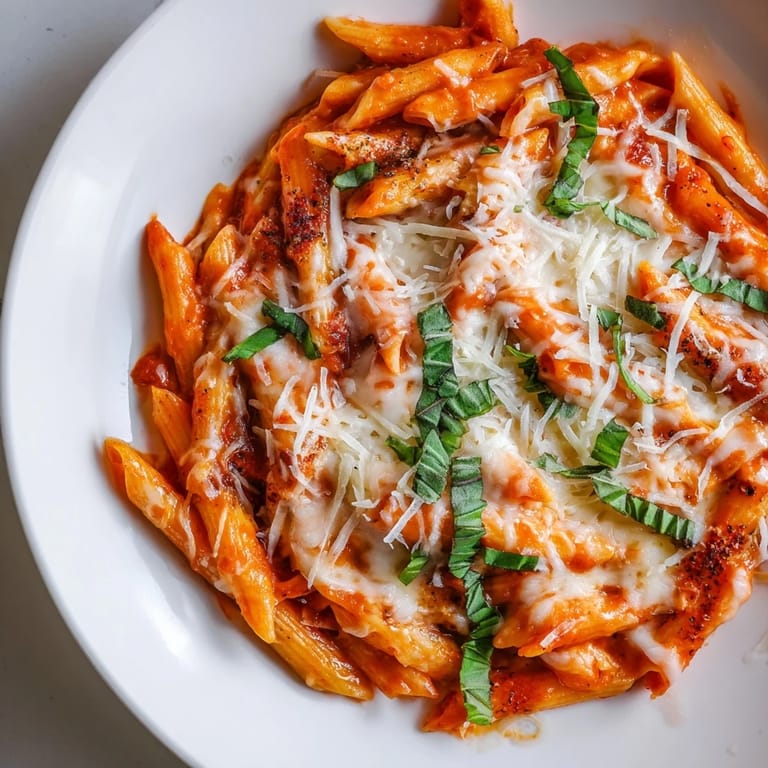
Save My kitchen smells like a Roman trattoria on Friday nights when I make this—the kind of place where you walk in and the heat from the oven hits you first, then that unmistakable rush of garlic and red pepper flakes. I discovered baked penne arrabbiata almost by accident, actually, when I had leftover arrabbiata sauce and a sudden dinner party to host. Rather than serve it plain, I grabbed whatever cheese I had, layered it all into a baking dish, and twenty minutes later pulled out something golden and bubbling that made everyone forget they were eating pasta reheated from lunch. It's become my go-to when I want something that feels fancy but doesn't require any real thinking.
I made this for my sister's birthday potluck once, and I remember the exact moment someone came back for thirds—they just looked at the baking dish, looked at their plate, and didn't even ask, they just served themselves again. That's when I knew this recipe had staying power. There's something about the combination of crispy cheese edges and that spicy tomato underneath that keeps people coming back, and you can literally just set it on the table and let everyone eat straight from it if you're feeling casual enough.
Ingredients
- Penne pasta (350 g): The tubes catch sauce beautifully when you toss them, and stopping short of full tenderness means it won't turn mushy after baking—trust me on this one.
- Olive oil (2 tbsp): Good oil here makes a real difference; it carries the garlic flavor into everything else and keeps the sauce silky.
- Garlic (4 cloves): Chop it fine so it melts into the oil rather than sitting in chunks, and watch it like a hawk—brown garlic tastes bitter and regretful.
- Crushed red pepper flakes (1–2 tsp): Start with the lower amount if you're feeding people with different heat tolerances; you can always shake more on at the table.
- Canned crushed tomatoes (800 g): Canned is actually better than fresh here because the sauce needs body and consistency; look for whole peeled tomatoes crushed by hand if you find them.
- Sugar (1 tsp): A tiny bit tames the acidity and makes the sauce taste rounder, not sweet—don't skip this.
- Dried oregano (1 tsp): It blooms when it simmers, so resist the urge to add fresh oregano too early or you'll lose it.
- Salt and pepper (½ tsp salt, ¼ tsp pepper): Taste as you go; you'll add more when everything comes together.
- Fresh basil (small bunch): Stir in half at the end of cooking and save the rest to scatter on top—the heat releases it just enough without turning it bitter.
- Parmesan cheese (80 g): Grate it yourself if possible; pre-shredded stuff has anti-caking agents that make it grainy when melted.
- Mozzarella cheese (150 g): Shred it fresh and don't use the fresh kind in balls—that releases too much water and makes everything watery.
Tired of Takeout? 🥡
Get 10 meals you can make faster than delivery arrives. Seriously.
One email. No spam. Unsubscribe anytime.
Instructions
- Get your oven ready:
- Turn it to 200°C (400°F) and grease a large baking dish while it preheats—this gives you one less thing to think about later.
- Cook the pasta smart:
- Boil salted water, add penne, and pull it out about 2 minutes before it's fully tender; it'll keep cooking in the oven and you want it just shy of al dente. The residual heat matters.
- Build the flavor base:
- Warm olive oil over medium heat, add garlic and red pepper, and listen for it—you'll hear a gentle sizzle, not a violent one. The smell hits fast and means it's about to go from perfect to burnt, so stay present.
- Simmer the sauce:
- Pour in tomatoes, add sugar and oregano, and let it bubble gently for 10–12 minutes, stirring now and then. You'll see it thicken slightly and the color deepens a touch—that's your signal it's ready.
- Finish with freshness:
- Pull it off heat and stir in fresh basil, then taste it. If it needs salt, now's the time—the cheeses will add saltiness later.
- Bring pasta and sauce together:
- Toss the drained penne into the sauce, making sure every piece gets coated. This is important—don't just dump sauce on top.
- Layer strategically:
- Spread half the pasta mixture into the baking dish, scatter half the cheeses over it, then top with the rest of the pasta and finish with cheese on top. The top layer gets golden and crispy, which is the whole point.
- Bake until it bubbles:
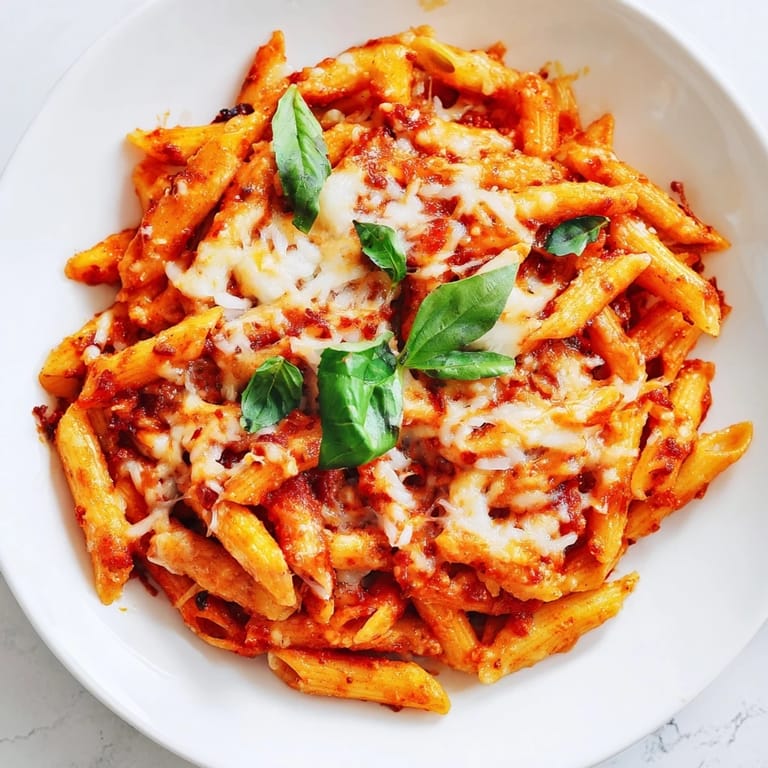
- 18–20 minutes in the preheated oven—you'll see the cheese turn golden and the sauce bubble around the edges. Don't open the door too much or the heat escapes.
- Rest before serving:
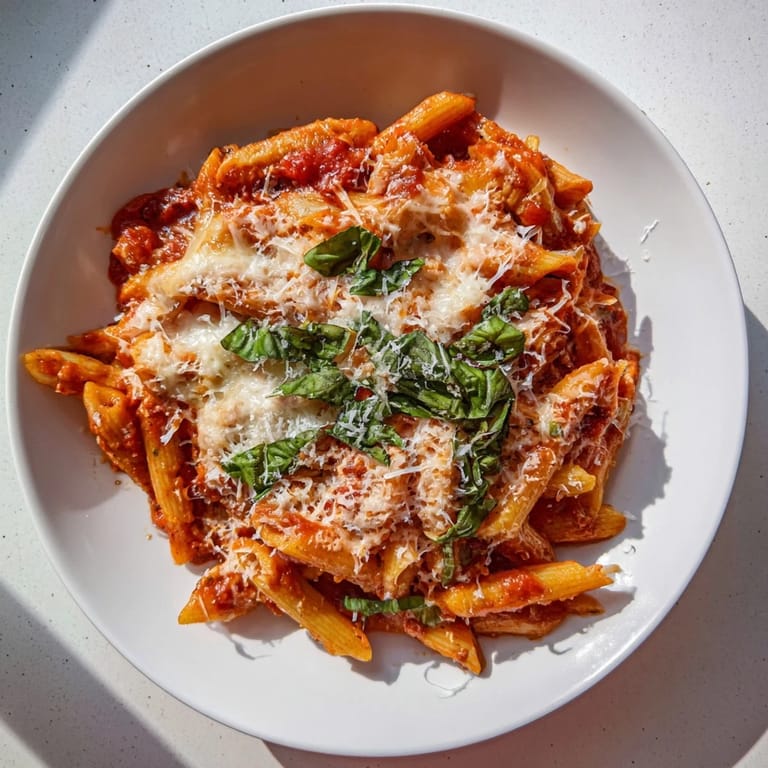
- Let it sit 5 minutes after pulling it out; this helps everything set slightly so it holds together when you plate it. Scatter fresh basil on top and serve hot.
 Save
Save There's a particular joy in watching someone take their first bite of this, especially if they're expecting it to be heavier or fancier than it actually is. It's just pasta and tomatoes and cheese, but somehow the baking transforms it into something that feels like it took way more effort than it did. I love that about this dish.
The Magic of Baking Pasta
Baking pasta is a different animal than simmering it on the stove—the dry heat of the oven does something to the sauce that you can't get in a pot. The edges concentrate and caramelize slightly, the cheese gets crispy in places, and the whole thing feels more intentional, more textured. Once you realize you can do this with almost any pasta sauce, a lot of last-minute dinner problems solve themselves.
Playing with Heat Levels
Arrabbiata means angry in Italian, and the heat is supposed to be noticeable but not aggressive—a warmth that builds as you eat rather than a shock on the first bite. I've found that starting with 1 teaspoon of red pepper flakes is smart if you're cooking for mixed crowds; people who want more can sprinkle extra on their plate, but you can't take heat out once it's in. The beauty of baking it is that the spice mellows slightly as everything melds in the oven, becoming more integrated than sharp.
Variations That Work
I've swapped the mozzarella for provolone on nights when I wanted something sharper, and it completely changes the personality of the dish in the best way—more sophisticated, less comfort-food, but still deeply satisfying. You can also toss in sautéed bell peppers, mushrooms, or even spinach if you want to sneak vegetables into the situation; just make sure they're cooked and squeezed dry first, or they'll release water into the sauce. Some people add a pinch of chili powder on top of the red pepper flakes if they want a slower burn instead of an immediate one.
- Fresh herbs like oregano or thyme can go in with the basil, but add them early so they have time to infuse.
- If you don't have mozzarella, a mild fontina or even a gruyere works beautifully.
- Leftovers actually improve after a day or two in the fridge, and they reheat perfectly in a low oven.
 Save
Save This dish reminds me why I love cooking in the first place—it's simple enough to not be stressful, but it makes you feel like you've accomplished something when you set it on the table. Serve it with a cold drink and a salad, and you've got dinner sorted without the fuss.