 Save
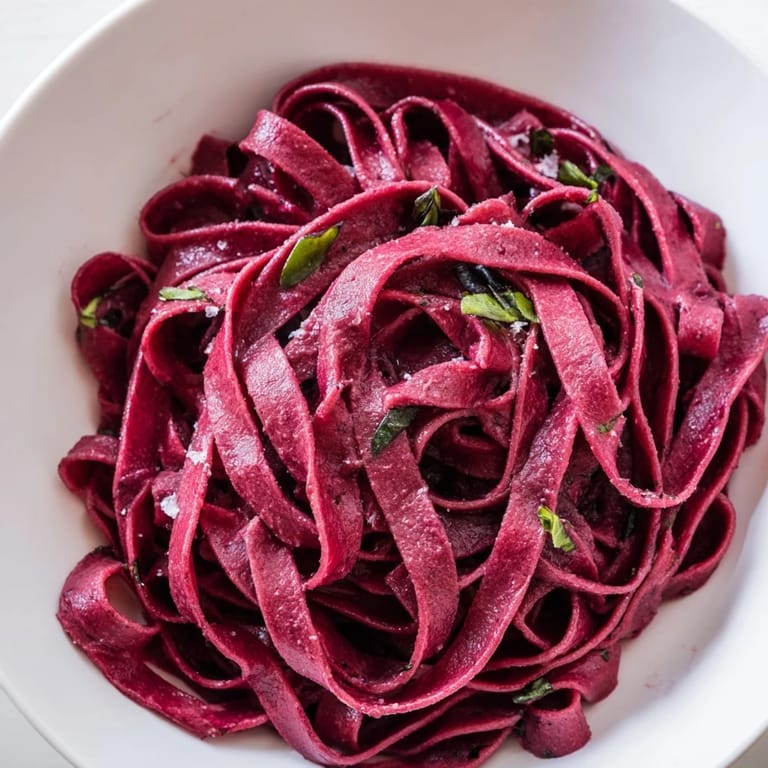
Save My neighbor handed me a bag of beets from her garden one September afternoon, and I stood in my kitchen wondering what on earth to do with them besides the usual roasted side. I remembered seeing a photo of magenta pasta once and thought, why not? The dough came together messier than I expected, my hands stained pink for two days, but when I pulled those first noodles from the pot, glowing like jewels under the kitchen light, I knew I'd stumbled onto something special. It's become my go-to whenever I want to cook something that makes people stop mid-conversation and stare at their plate.
I made this for my book club last spring, and three people asked for the recipe before we even started discussing the novel. One friend, who swore she hated beets, had two helpings and admitted she couldn't taste them at all, just a faint earthy sweetness that made the pasta feel richer. We ended up talking more about the noodles than the book, and I didn't mind one bit.
Ingredients
- Medium beet (about 180 g): Choose firm beets without soft spots, and don't skip scrubbing them well since you'll roast them with the skin on.
- Olive oil (1 tablespoon for roasting): This helps the beet caramelize slightly in the oven, deepening its sweetness and making it easier to puree.
- All-purpose flour (2 cups, 250 g): I keep extra nearby because humidity and beet moisture can make the dough sticky, and a light dusting saves the day.
- Large eggs (2): Room temperature eggs blend more smoothly into the dough and give you better elasticity.
- Roasted beet puree (1/4 cup, 60 g): The star ingredient that turns ordinary pasta into something people remember, measure it carefully or your dough might get too wet.
- Unsalted butter or olive oil (2 tablespoons, for serving): Simple fat lets the pasta shine, though I sometimes brown the butter for a nutty finish.
- Fresh herbs (basil or parsley): A handful of torn leaves right before serving adds brightness that balances the beet's earthiness.
- Grated Parmesan or pecorino cheese: Optional but recommended, the salty sharpness cuts through the sweetness beautifully.
Tired of Takeout? 🥡
Get 10 meals you can make faster than delivery arrives. Seriously.
One email. No spam. Unsubscribe anytime.
Instructions
- Roast the beet:
- Preheat your oven to 400°F (200°C), wrap the scrubbed beet in foil with a drizzle of olive oil and a pinch of salt, then roast for 45 to 60 minutes until a fork slides through easily. Let it cool just enough to handle, then peel away the skin with your fingers or a paper towel.
- Make the puree:
- Toss the roasted beet into a food processor or blender and puree until completely smooth with no chunks. Measure out 1/4 cup (60 g) for your dough and save any extra in the fridge for smoothies or spreading on toast.
- Form the dough:
- Mound the flour on a clean counter and create a wide well in the center, then crack the eggs into it along with the salt and beet puree. Use a fork to beat the wet ingredients together, gradually pulling in flour from the sides until a shaggy, sticky mass forms.
- Knead until smooth:
- Get your hands in there and knead for 8 to 10 minutes, adding small dustings of flour if it sticks to your palms, until the dough feels smooth, elastic, and springs back when you poke it. Wrap it tightly in plastic wrap and let it rest on the counter for 30 minutes so the gluten can relax.
- Roll and cut:
- Divide the rested dough into 4 pieces and work with one at a time, keeping the others covered. Roll each piece through a pasta machine starting at the widest setting and working down to about 1 to 2 mm thick, or use a rolling pin and some elbow grease, then cut into your favorite noodle shape.
- Cook and serve:
- Bring a large pot of salted water to a rolling boil, drop in the fresh noodles, and cook for just 2 to 3 minutes until they float and taste tender but still have a slight bite. Drain quickly, toss with butter or olive oil, scatter herbs and cheese over the top, and serve immediately while they're steaming.
 Save
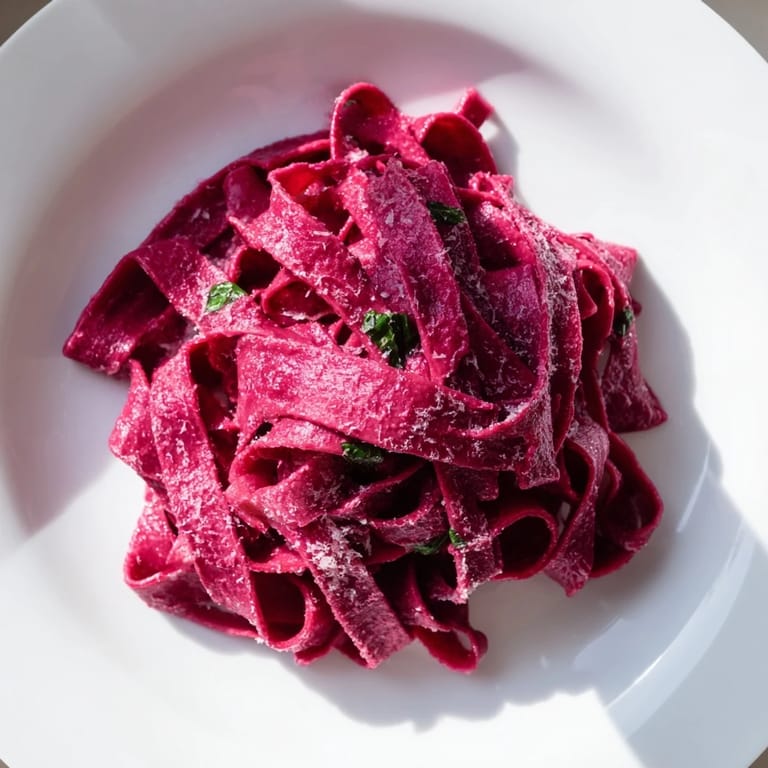
Save The first time I served this to my niece, she refused to believe it was homemade because it looked too pretty. She stood on a chair watching me roll out the next batch, her eyes wide, and asked if we could make rainbow pasta next. I didn't have the heart to tell her I had no idea how, so now I'm stuck researching natural food dyes every few months.
Getting the Color Just Right
The magenta hue depends entirely on how concentrated your beet puree is, so if you want a deeper color, add an extra tablespoon of puree and increase the flour by a couple tablespoons to compensate. I learned this after making a batch that came out pale pink and looked more like strawberry pasta, which was still tasty but didn't have the same wow factor. Now I taste the puree first, and if it's on the milder side, I roast the beet a bit longer to intensify its natural sugars.
Storage and Make-Ahead Tips
You can shape the noodles and freeze them on a parchment-lined tray, then transfer them to a freezer bag once solid, and they'll keep for up to three months without losing color or texture. I do this every time I make a batch because it feels wasteful to dirty the pasta machine for just one meal. Cook them straight from frozen, adding an extra minute to the boiling time, and they'll taste just as fresh as the day you made them.
Pairing and Serving Ideas
This pasta loves simple sauces that let the color and subtle sweetness shine through, so I usually stick with brown butter and sage, a drizzle of lemon cream, or even just good olive oil with garlic and red pepper flakes. Heavy tomato sauces can muddy the color and overpower the beet, though a light cherry tomato sauté works beautifully if you want something brighter.
- Try crumbling goat cheese over the top for a tangy contrast that plays well with the earthy sweetness.
- Toss in some toasted walnuts or pine nuts for crunch and a bit of richness.
- Serve it as a side to roasted chicken or fish, and watch it steal the show every single time.
 Save
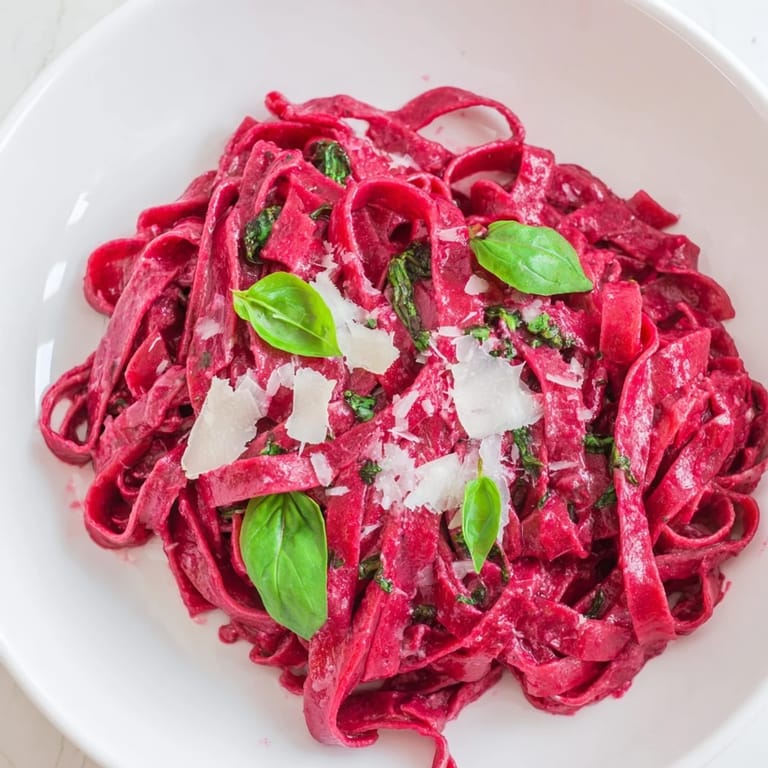
Save There's something almost magical about pulling a tangle of hot pink noodles from boiling water and watching someone's face light up when you set the plate down. It's just pasta, but it never feels like just pasta.
Recipe FAQ
- → How do I achieve the best beet color in the pasta?
Use roasted beets rather than raw for deeper, more stable color. Roasting caramelizes natural sugars and concentrates flavor. Ensure your puree is completely smooth by processing thoroughly. For even more intense magenta hue, increase beet puree to 1/3 cup, adjusting flour slightly to maintain proper dough consistency.
- → Can I prepare the dough ahead of time?
Yes, wrap the rested dough tightly in plastic wrap and refrigerate up to 24 hours. Allow it to return to room temperature for 15 minutes before rolling. You can also freeze portions of rolled, uncooked pasta on a baking sheet, then transfer to freezer bags for up to three months. Cook directly from frozen, adding just one minute extra cooking time.
- → What's the difference between fresh and dried beet pasta?
Fresh pasta made with beet puree cooks in 2-3 minutes and has a tender, delicate texture. The moisture from the puree prevents proper drying, so this style is best enjoyed fresh or refrigerated short-term. If you prefer shelf-stable pasta, dried beet pasta is commercially available but requires longer cooking times of 8-10 minutes.
- → How do I make this vegan-friendly?
Replace the two eggs with 1/4 cup water mixed with 1 tablespoon olive oil. The dough will be slightly softer, so you may need fractionally more flour. Knead thoroughly until you achieve the same smooth, elastic texture. The beet puree provides natural binding, so the result is nearly identical to the traditional version.
- → What sauces pair best with beet noodles?
Keep sauces simple to let the beets shine. Brown butter and crispy sage is classic and highlights the earthy sweetness. Lemon cream sauce brightens the dish beautifully. Try tossed with olive oil, fresh herbs, and quality cheese. Balsamic vinegar and roasted vegetables also complement the subtle beet flavor without overpowering delicate noodles.
- → Can I use canned or pre-cooked beets?
Yes, canned beets work in a pinch. Drain thoroughly and pat completely dry to remove excess moisture, then puree as directed. Note that canned varieties may have added vinegar affecting flavor slightly. Use about 1/2 cup canned beets drained to achieve 1/4 cup puree. Fresh roasted beets provide superior flavor and texture, but canned versions offer convenient shortcuts.