 Save
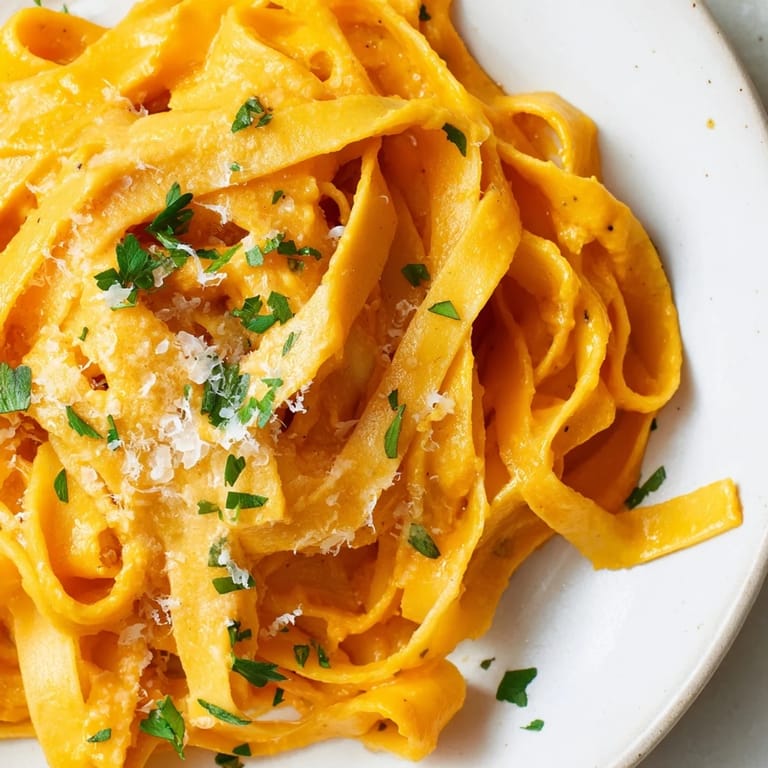
Save My neighbor handed me a butternut squash over the fence one October morning, saying she'd grown too many. I had no plan for it, just a hunch that roasting might coax out something sweet. That evening, I tossed the cubes into the oven and forgot about them until the smell pulled me back to the kitchen. The edges had caramelized, and I knew right then I'd stumbled onto something worth repeating.
I made this for a small dinner party where half the guests were vegetarian and the other half skeptical of anything without meat. Nobody said a word for the first few minutes, just the sound of forks scraping plates. One friend asked for the recipe before dessert even arrived. That night taught me that good food doesn't need to announce itself.
Ingredients
- Butternut squash: The star here, choose one that feels heavy for its size and has a matte skin without soft spots.
- Garlic cloves, unpeeled: Roasting them whole in their skins mellows the sharpness into something buttery and sweet.
- Yellow onion: Diced small so it melts into the background and adds a gentle savory note.
- Fresh sage: A little goes a long way, its earthy flavor pairs perfectly with the squash without overpowering it.
- Fettuccine or tagliatelle: Wide noodles catch the sauce better than thin ones, but use what you have on hand.
- Olive oil: For roasting and sauteing, it adds richness without competing with the squash.
- Heavy cream: This turns the puree into a silky sauce, or swap for coconut milk if you prefer a plant-based version.
- Parmesan cheese: Adds a salty, umami depth that balances the sweetness of the squash.
- Vegetable broth: Thins the sauce to the right consistency and adds a subtle savory backbone.
- Nutmeg: Just a pinch wakes up the whole dish, but skip it if you're not a fan.
- Fresh parsley: A bright, grassy finish that cuts through the richness right before serving.
Tired of Takeout? 🥡
Get 10 meals you can make faster than delivery arrives. Seriously.
One email. No spam. Unsubscribe anytime.
Instructions
- Roast the squash and garlic:
- Preheat your oven to 400°F and spread the cubed squash and unpeeled garlic on a parchment-lined baking sheet. Drizzle with olive oil, season with salt and pepper, and roast for 25 to 30 minutes, turning halfway through until the edges turn golden and caramelized.
- Cook the pasta:
- Bring a large pot of salted water to a rolling boil and cook your pasta according to the package directions. Before draining, scoop out half a cup of the starchy pasta water and set it aside.
- Saute the aromatics:
- In a large skillet over medium heat, warm the remaining olive oil and add the diced onion and chopped sage. Cook for about 4 minutes, stirring occasionally, until the onion softens and the kitchen smells like autumn.
- Blend the sauce:
- Squeeze the roasted garlic out of its papery skins and add it to a blender along with the roasted squash, sauteed onion and sage, vegetable broth, and heavy cream. Blend until smooth and velvety, scraping down the sides if needed.
- Finish the sauce:
- Pour the blended sauce back into the skillet over low heat and stir in the Parmesan and a pinch of nutmeg. Taste and adjust the salt and pepper, adding splashes of reserved pasta water if the sauce feels too thick.
- Toss and serve:
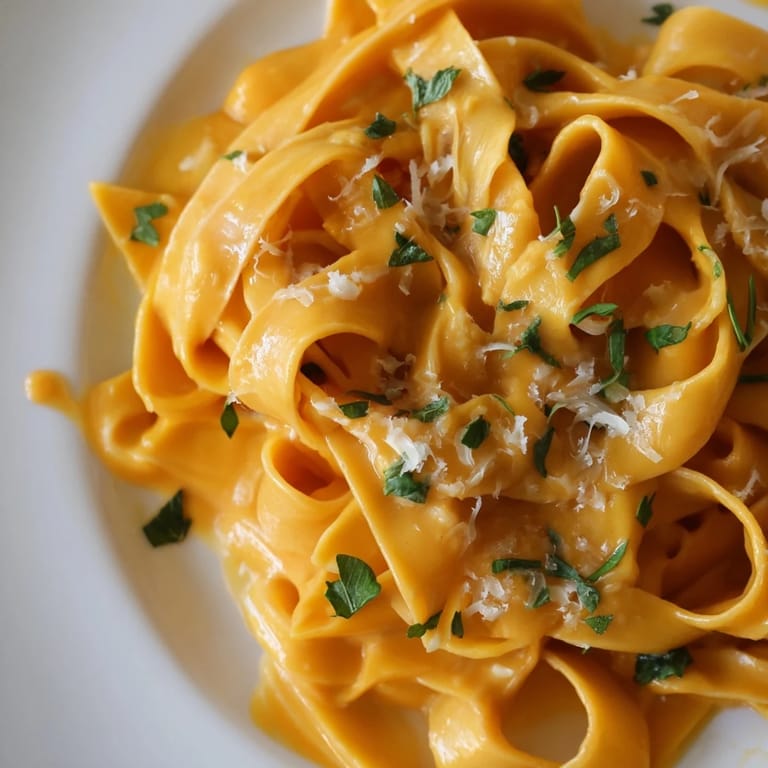
- Add the drained pasta to the skillet and toss gently to coat every strand. Let it warm through for 2 to 3 minutes, then serve immediately with a sprinkle of parsley and extra Parmesan on top.
 Save
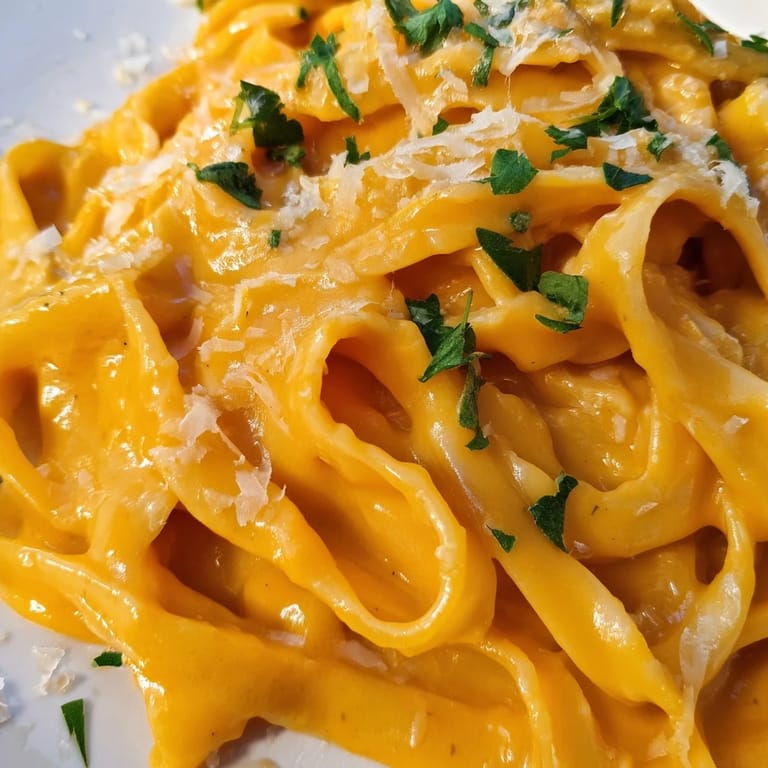
Save The first time I reheated leftovers, I added a splash of broth and warmed it gently on the stove. My partner walked in, took one bite, and declared it better than the night before. Sometimes a dish needs a little rest to let the flavors settle into each other. Now I almost prefer making it a day ahead.
Making It Your Own
This recipe loves additions. I've stirred in sauteed mushrooms for earthiness, wilted spinach for color, and toasted walnuts for crunch. A friend once added crispy pancetta on top, which I won't lie, was incredible. The base is forgiving enough to handle whatever your fridge or mood suggests.
Storing and Reheating
Store the pasta and sauce together in an airtight container in the fridge for up to three days. Reheat gently on the stovetop with a splash of broth or water to loosen the sauce. The microwave works in a pinch, but stir it halfway through and add a little liquid to keep it creamy.
Pairing and Serving
This pairs beautifully with a crisp white wine like Pinot Grigio or a light-bodied red if you prefer. I like serving it with a simple arugula salad dressed in lemon and olive oil to balance the richness. Crusty bread on the side is never a bad idea, especially for mopping up any sauce left on the plate.
- For a vegan version, swap the cream for full-fat coconut milk and use a plant-based Parmesan.
- If you want extra protein, toss in white beans or serve alongside grilled chicken.
- Leftovers can be baked into a casserole with a breadcrumb topping for a completely different meal.
 Save
Save There's something grounding about a bowl of pasta that tastes like the season itself. I hope this one finds a place in your regular rotation, especially on nights when you need something warm and uncomplicated.
Recipe FAQ
- → Can I make this dish ahead of time?
Yes, you can prepare the squash sauce up to 2 days in advance and store it in an airtight container in the refrigerator. Reheat gently over low heat, adding pasta water or broth to reach desired consistency. Cook the pasta fresh just before serving for best texture.
- → What pasta works best with this sauce?
Flat, ribbon-style pastas like fettuccine or tagliatelle work wonderfully as they capture the creamy sauce beautifully. Fresh pasta creates an especially delicate texture, though dried pasta is equally delicious and convenient.
- → How do I make this dish vegan?
Substitute heavy cream with full-fat coconut milk or cashew cream, and use vegan Parmesan or nutritional yeast. All other ingredients are naturally plant-based. The result is equally creamy and satisfying.
- → What if my sauce is too thick?
Gradually stir in reserved pasta water, vegetable broth, or cream until you reach your preferred consistency. The starch in pasta water helps the sauce cling to the noodles better than water alone.
- → Can I add vegetables to this dish?
Absolutely. Sautéed mushrooms, fresh spinach, roasted Brussels sprouts, or toasted walnuts all complement the creamy squash beautifully. Add them to the sauce just before tossing with pasta.
- → What wine pairs well with this pasta?
A crisp white wine like Pinot Grigio, Sauvignon Blanc, or Vermentino pairs excellently. The acidity cuts through the richness of the sauce while complementing the sweet, nutty butternut squash.