 Save
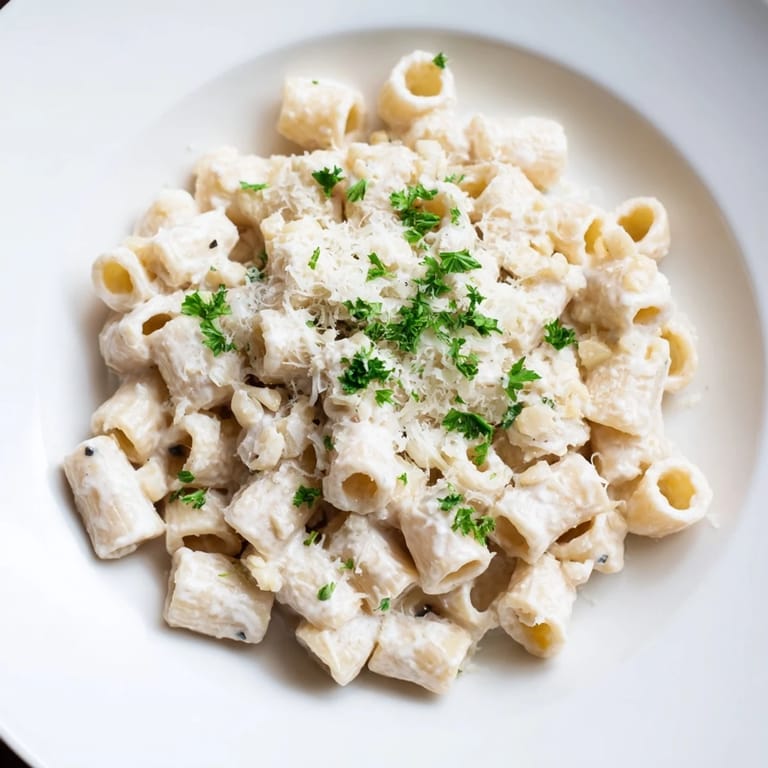
Save There's something about the smell of garlic hitting hot oil that makes you feel like you're actually cooking something worthwhile. Years ago, on a random Tuesday when I had exactly 20 minutes before people were coming over, I threw together a creamy garlic pasta with whatever cream I had in the fridge—and it turned out to be one of those happy accidents that became a regular thing. The ditalini pasta, small and sturdy, soaks up every bit of that silky sauce, and the garlic gives it real presence without being aggressive. It's the kind of dish that tastes like you spent hours fussing, but it asks almost nothing of you.
I made this for a friend who'd just moved into her first apartment, and she had maybe three pots and a cutting board. We cooked it together in her tiny kitchen, and watching her taste it for the first time—that moment when her face softened and she went back for seconds without thinking about it—that's when I knew this recipe deserved a permanent place in my rotation. It's comfort food that doesn't require an apology or explanation, just a plate and maybe some crusty bread if you're feeling fancy.
Ingredients
- 300 g ditalini pasta: These tiny tube-shaped noodles are perfect for cream sauces because they trap sauce inside and out—way better than trying this with linguine.
- Olive oil (1 tablespoon): Good enough to taste, but not so much that it makes the sauce greasy.
- Garlic (4 cloves, finely minced): The entire personality of this dish lives here, so mince it yourself rather than using the jarred stuff, which tastes like tired cardboard.
- All-purpose flour (2 tablespoons): This is your roux base—it thickens the cream and makes the sauce silky instead of soupy.
- Half-and-half (480 ml): The magic ingredient that keeps this from tasting like you're eating pure cream; it's rich enough to feel luxurious but light enough to eat without regret.
- Low-sodium vegetable broth (60 ml): Dilutes the cream slightly and adds a subtle savory note that deepens everything else.
- Grated Parmesan (40 g): Use freshly grated if you can—the pre-shredded stuff has anti-caking agents that make the sauce gritty.
- Salt and black pepper: Taste as you go; you'll know when it's right.
- Red pepper flakes (optional): A whisper of heat that makes the garlic sing, even if you just add a pinch.
- Fresh parsley (2 tablespoons, chopped): The green counterpoint that keeps this from feeling too heavy, and it actually looks like you tried.
Tired of Takeout? 🥡
Get 10 meals you can make faster than delivery arrives. Seriously.
One email. No spam. Unsubscribe anytime.
Instructions
- Get the pasta going:
- Fill a large pot with salted water—enough that the pasta can move around freely—and bring it to a rolling boil. Once it's going, add the ditalini and cook according to the package, but check it a minute or two before the timer says, aiming for just barely tender. Before draining, scoop out about half a cup of that starchy pasta water and set it aside; you'll use it later to loosen the sauce if needed.
- Build the garlic base:
- While the pasta cooks, warm the olive oil in a large skillet over medium heat—you want it shimmering, not smoking. Add the minced garlic and let it dance in the oil for about a minute, stirring often, until it smells incredible and turns a pale golden color. Stop before it browns, because burnt garlic tastes bitter and angry.
- Make the roux:
- Sprinkle the flour directly over the garlic and stir constantly for about a minute. You'll feel the texture change from slick to a little pasty—that's exactly what you want. This mixture is your thickening agent, the backbone of the sauce.
- Create the cream sauce:
- Pour in the half-and-half slowly while whisking constantly, then add the vegetable broth in the same way. Keep whisking until there are no lumps and the sauce is smooth and starting to thicken, which should take about 3 to 4 minutes. You'll feel it getting heavier and more luxurious with each stroke of the whisk.
- Season and mellow:
- Stir in the grated Parmesan, salt, black pepper, and red pepper flakes if you're using them. Let it all simmer very gently for another 2 minutes so the Parmesan melts completely and the flavors meld together. Taste it now and adjust salt and pepper as needed.
- Combine and finish:
- Add the drained ditalini to the sauce and toss everything together until every little pasta tube is coated. If the sauce seems too thick, add a splash of that reserved pasta water and stir again. The finished dish should move slightly when you tilt the pan, not sit there like cement.
- Serve with style:
- Remove from heat, scatter fresh parsley and extra Parmesan on top if you want, and bring it to the table while it's still steaming.
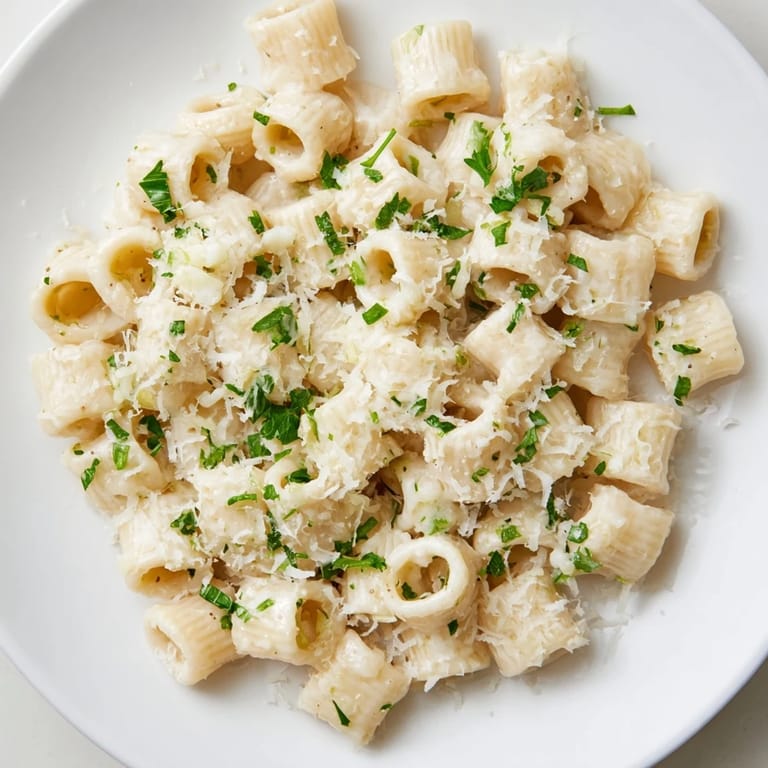 Save
Save My grandmother once said that pasta is honest food—it doesn't pretend to be anything it's not, and it shows you immediately if you've treated it with respect or rushed through it. This creamy garlic version sits somewhere between weeknight dinner and something you'd make for people you wanted to impress, which is probably why I keep coming back to it. It's become my answer to the question 'what can I make quickly that doesn't feel like settling.'
The Joy of Simple Ingredients
There's real freedom in a recipe that doesn't ask for exotic things. Everything here lives in a regular grocery store, in the sections you probably already know. It's the kind of meal that lets you focus on technique instead of running around looking for specialty items. Once you nail the method—especially that smooth sauce without lumps—you'll find yourself making this when you're tired, when you're hungry, when you want something that feels like care in a bowl.
Making It Your Own
The base is solid enough that you can dress it up or down depending on your mood. Add sautéed mushrooms if you want earthiness, or throw in some cooked chicken if you need more protein on the plate. A handful of spinach wilts right in at the end, adding color and nutrition without announcing itself loudly. Even changing the pasta shape—using rigatoni or penne instead of ditalini—shifts the feeling slightly, though I always come back to ditalini because it performs the best with cream sauce.
Timing and Serving
The whole thing from pot to table takes 30 minutes if you stay focused, which means you can have dinner ready before anyone's too hungry to think straight. Serve it with a simple green salad if you want something bright alongside it, and a glass of white wine if you're in that kind of mood. Day-old leftovers reheat gently on the stove with a splash of milk or broth, and while they're never quite as silky as fresh, they're still completely worth eating.
- Have everything chopped and measured before you turn on the stove; this recipe moves fast once it starts.
- Keep that whisk moving when you're adding the cream so lumps never have a chance to form.
- Taste constantly and adjust seasoning at the end, because salt and pepper levels vary with different brands of broth and cheese.
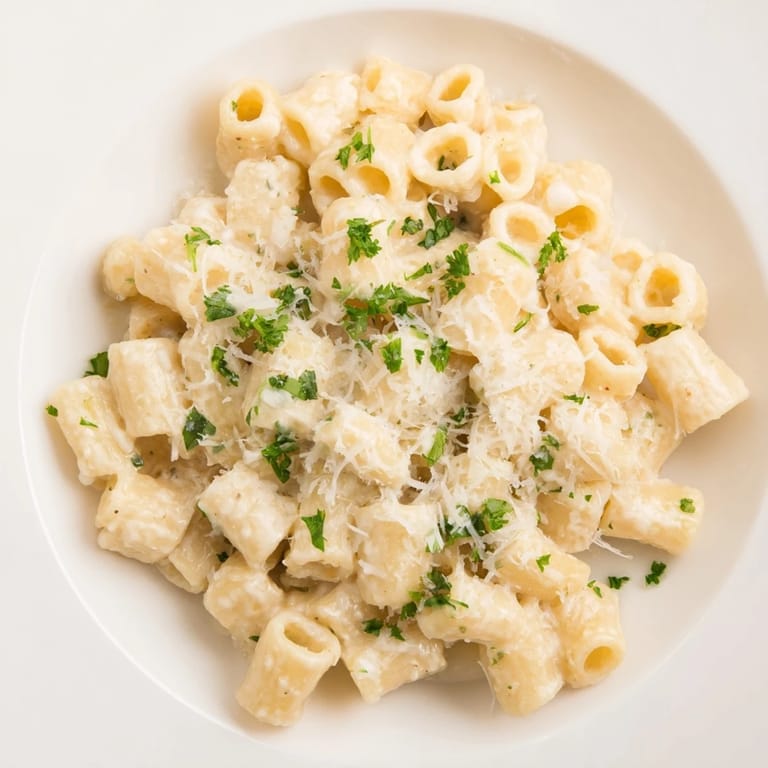 Save
Save This is the kind of recipe that asks very little and gives a lot back. It's the one I reach for when I want to cook something real but don't have the energy for fussiness, and somehow it always lands exactly where it needs to.
Recipe FAQ
- → What type of pasta is used?
Ditalini pasta is used, which are small, tube-shaped pieces perfect for holding the creamy sauce.
- → How is the sauce thickened without heavy cream?
The sauce uses half-and-half combined with flour and vegetable broth to achieve a smooth, creamy texture without heaviness.
- → Can I adjust the spice level?
Yes, red pepper flakes are optional and can be added or omitted based on your preferred spice level.
- → Is fresh garlic essential for flavor?
Fresh garlic minced finely is sautéed briefly to release robust flavor without bitterness, forming the base of the sauce.
- → How do I keep the sauce from becoming too thick?
Reserved pasta water can be added gradually to adjust the sauce consistency to your liking.
- → What garnishes enhance this dish?
Chopped fresh parsley and extra grated Parmesan cheese add freshness and a savory finish.