 Save
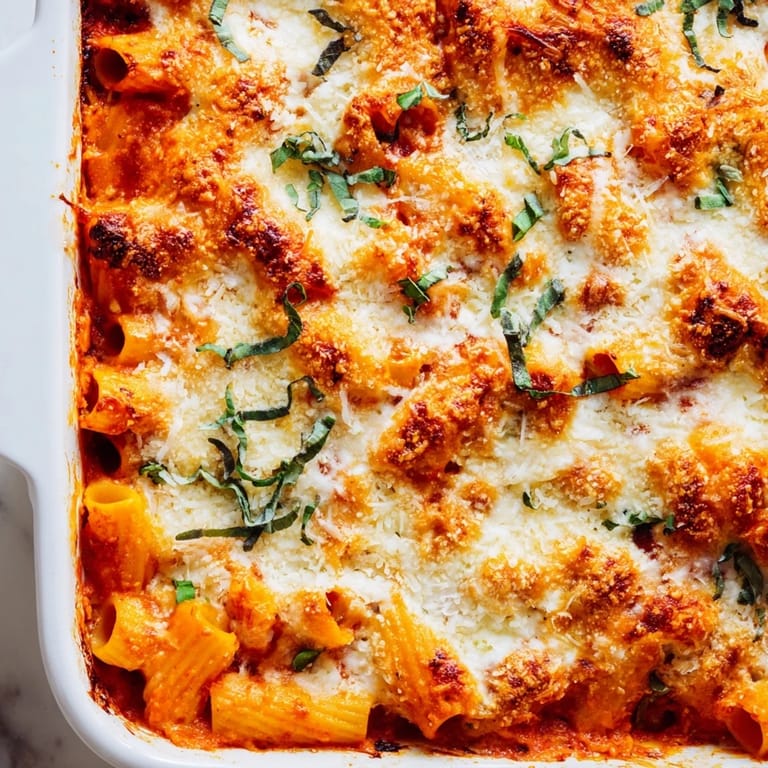
Save There's something about the smell of four cheeses bubbling in the oven that turns an ordinary weeknight into something special. My neighbor knocked on the door one evening, drawn by that golden, savory aroma wafting through the hallway, and I couldn't help but laugh as I invited her in to stay for dinner. This baked pasta became our thing after that—the dish I make when I want comfort but also want to impress without fussing. It's straightforward enough that you won't stress, but rich enough that everyone at the table feels genuinely cared for.
I made this for my sister's first apartment dinner party, and she kept asking me to leave the recipe before I even finished eating. The way the top turned golden and slightly crispy while staying creamy underneath seemed to validate every choice I'd made in life up to that point. My brother-in-law went back for thirds, which tells you everything you need to know about how satisfying this dish is.
Ingredients
- Penne or rigatoni (1 pound): The tube shape catches sauce in every bite; I learned to cook it just shy of al dente because it continues cooking in the oven.
- Ricotta cheese (1 cup): This is your creamy base—don't skip it or substitute it lightly, as it's what makes the filling feel luxurious.
- Shredded mozzarella (1½ cups): Low-moisture is key here, or you'll end up with a watery dish; I learned this the hard way on attempt number two.
- Grated Parmesan (1 cup): It adds that sharp, salty note that keeps the richness from becoming cloying.
- Grated Romano (¾ cup): Slightly sharper than Parmesan, it deepens the cheese flavor in a way that feels almost mysterious.
- Marinara sauce (3 cups): Store-bought works beautifully here; I use the good kind but not the most expensive, and no one knows the difference.
- Garlic (2 cloves, minced): Fresh garlic sautéed in olive oil becomes the aromatic foundation for everything that follows.
- Olive oil (2 tablespoons): Just enough to bloom the garlic without making the sauce greasy.
- Dried basil, oregano, red pepper flakes, salt, and black pepper: These seasonings wake up the sauce and prevent it from tasting one-dimensional.
- Fresh basil (2 tablespoons, optional): A scatter of fresh basil at the end adds a brightness that makes people pause mid-bite.
Tired of Takeout? 🥡
Get 10 meals you can make faster than delivery arrives. Seriously.
One email. No spam. Unsubscribe anytime.
Instructions
- Set your stage:
- Preheat the oven to 375°F and grease your 9x13-inch baking dish; this small step prevents the stressed-out moment of stuck pasta later.
- Cook the pasta:
- Bring salted water to a rolling boil, add pasta, and cook until just shy of al dente—about two minutes less than the box says. Drain and set aside, and here's the truth: slightly undercooked pasta is your friend because it will soften more as everything bakes together.
- Build the sauce:
- Heat olive oil in a saucepan, add minced garlic, and let it become fragrant after about a minute. Stir in the marinara sauce along with basil, oregano, red pepper flakes, salt, and black pepper, then let it simmer gently for five minutes so the flavors find each other.
- Marry the pasta and cheeses:
- In a large bowl, combine the cooked pasta with ricotta, one cup mozzarella, half a cup Parmesan, half a cup Romano, and two cups of your seasoned sauce. Mix until every strand of pasta is coated and the ricotta is distributed evenly—this is the moment where the magic starts.
- Assemble in the baking dish:
- Spread the pasta mixture into your prepared dish, then pour the remaining sauce over the top in an even layer. Sprinkle the last of your cheeses across the surface like you're blessing it.
- The two-stage bake:
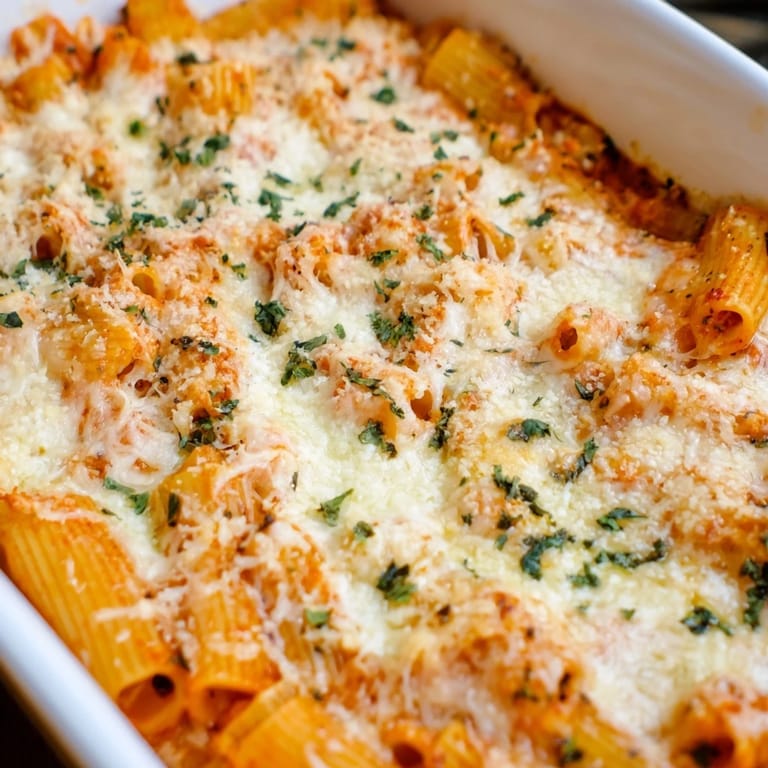
- Cover loosely with foil and bake for twenty minutes so the inside gets hot without the top drying out. Remove the foil and bake another ten to fifteen minutes until the top is golden and bubbling at the edges—this is when you know it's done.
- Rest and finish:
- Let it sit for five minutes before serving; this allows everything to set slightly so it holds together when plated. Scatter fresh basil over top if you have it, and watch people's faces light up.
 Save
Save What strikes me most is that this dish tastes like tradition even though it's something you can throw together on a Tuesday. There's a reason Italian grandmothers and busy weeknight cooks both reach for baked pasta—it delivers comfort without apology.
The Four-Cheese Balance
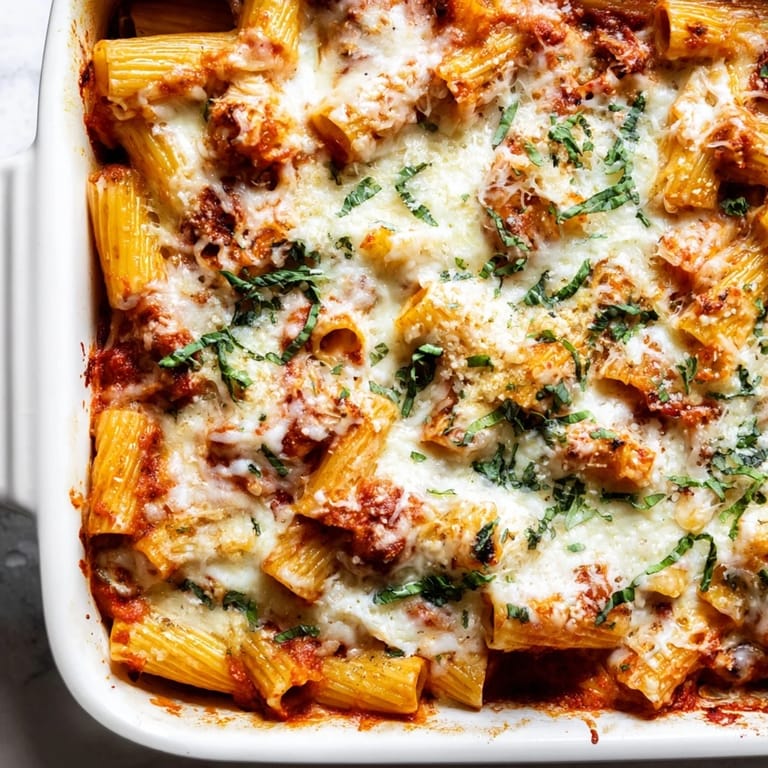
Each cheese brings something different to the table, and understanding why they matter changes how you approach this dish. Ricotta is soft and creamy, providing the base layer that keeps everything moist and luxurious. Mozzarella melts into stretchy, golden threads that hold the whole thing together structurally. Parmesan adds sharpness and a subtle nuttiness that deepens as it bakes. Romano pushes that savory note even further, almost toward saltiness. Together, they create a flavor profile that feels complete—no single cheese overwhelms, but their combination is unmistakably rich and satisfying.
Sauce as the Undercover Star
People often focus on the cheeses and overlook the sauce, but it's doing half the work here. When you sauté garlic first and then simmer the marinara with herbs, you're not just heating sauce—you're building a foundation that ties everything together. The acid in the tomatoes balances the richness of the cheese, and the herbs make every forkful feel intentional. This is why a decent marinara matters; it doesn't need to be fancy, but it should taste like someone actually made it.
Variations and Personal Touches
Once you understand the backbone of this dish, you can play with it without losing what makes it work. I've added sautéed spinach and mushrooms on nights when I wanted vegetables, and it absorbed into the pasta beautifully without making anything watery. Others have swapped in a béchamel layer or mixed in some Italian sausage for depth. The most important thing is respecting the moisture balance—extra vegetables mean draining them well, extra meat means cooking it separately so fat doesn't pool. Some people use part-skim ricotta and low-moisture mozzarella to lighten it, and honestly, it still feels indulgent.
- Sautéed mushrooms or spinach can be added in small amounts without disrupting the texture.
- A splash of reserved pasta water helps loosen the mixture if it seems too thick before baking.
- Leftover pieces reheat perfectly covered in foil at 350°F for about fifteen minutes.
 Save
Save This is the kind of dish that reminds you why home cooking matters. It fills your house with warmth and brings people to the table genuinely happy to be there.
Recipe FAQ
- → Which pasta works best for this dish?
Penne or rigatoni are ideal as they hold sauce well and maintain texture after baking.
- → Can I use different cheeses?
Yes, mixing cheeses with varying textures like ricotta and mozzarella creates a balanced creamy and melty effect.
- → How do I prevent the top from drying out?
Cover the dish loosely with foil during the first part of baking, then uncover near the end for a golden crust.
- → Is it possible to add vegetables?
Sautéed spinach or mushrooms can be stirred in before baking to increase nutrition and flavor.
- → How long should the pasta be cooked before baking?
Cook the pasta slightly under al dente so it finishes perfectly during baking without becoming mushy.