 Save
Save My sister called me in a panic three days before her graduation, asking if I could somehow pull together a cake that screamed celebration without requiring a culinary degree. I'd made plenty of cakes before, but there was something about the urgency and the occasion that made me want to create something that felt genuinely special—not fussy, just right. This sheet cake became my answer: simple enough to execute without stress, but fancy enough that when she walked into that kitchen and saw "Class of 2026" piped across the top in her school colors, she got that look on her face that reminded me why we bake for the people we love.
I'll never forget the moment I set that cake down at the graduation party and watched three different people try to take photos before anyone even cut a slice. The piping felt like the cherry on top—literally—but what stuck with me was how something so straightforward became the centerpiece of the whole celebration. That's when I realized the magic wasn't in complexity; it was in showing up with something homemade and thoughtful.
Ingredients
- All-purpose flour (2 ½ cups): The foundation of everything—make sure it's fresh and measured correctly by spooning into the cup rather than scooping directly from the bag, which can pack it too densely.
- Baking powder (2 ½ tsp): Your leavening agent, and it matters that it's not stale; replace it if it's been sitting open for more than a few months.
- Salt (½ tsp): A pinch of salt balances the sweetness and makes the vanilla sing, so don't skip it even though it seems tiny.
- Unsalted butter (1 cup for cake, 1 cup for frosting): Softened to room temperature means it creams properly; cold butter will fight you every step of the way.
- Granulated sugar (1 ¾ cups): The sweetness that makes this cake memorable, and beating it with butter creates a light, airy base that's impossible to rush.
- Eggs (4 large, at room temperature): Room temperature eggs incorporate more smoothly, which means a more tender crumb—this is non-negotiable.
- Vanilla extract (1 tbsp for cake, 2 tsp for frosting): Use real vanilla if your budget allows; it's the secret ingredient that makes people ask what that flavor is.
- Whole milk (1 cup for cake, ¼ cup for frosting, at room temperature): Alternating milk with flour creates the most tender texture, and room temperature prevents shocking the batter.
- Powdered sugar (4 cups, sifted): Sifting removes lumps before mixing, saving you from gritty frosting that looks like sand.
- Food coloring: A tiny drop goes a long way; add it slowly to avoid turning your frosting a neon shade that screams "oops."
Tired of Takeout? 🥡
Get 10 meals you can make faster than delivery arrives. Seriously.
One email. No spam. Unsubscribe anytime.
Instructions
- Prep your workspace:
- Preheat your oven to 350°F while you grease and line a 9x13-inch sheet pan with parchment paper. This step takes two minutes and saves you from a stuck cake that refuses to budge.
- Combine the dry ingredients:
- Whisk flour, baking powder, and salt together in a medium bowl until they're evenly distributed. This breaks up any tiny clumps and ensures the baking powder spreads throughout the batter.
- Cream butter and sugar:
- Beat softened butter and granulated sugar together for about three minutes until the mixture looks pale, fluffy, and almost mousse-like. You'll know it's ready when it looks lighter in color and feels lighter in texture.
- Add eggs one at a time:
- Drop each egg in individually, beating well after each addition before adding the next. This prevents the mixture from looking curdled or separated.
- Mix in vanilla:
- Stir in the vanilla extract until it's fully blended, which only takes a few seconds. The smell at this point should make you stop for a moment and appreciate what you're making.
- Alternate wet and dry ingredients:
- Add the flour mixture and milk in three additions, starting and ending with flour—about a third of the flour, then half the milk, then another third of flour, then the rest of the milk, then the final third of flour. Mix only until just combined; overmixing develops gluten and creates a tough cake.
- Pour and smooth:
- Transfer the batter to your prepared pan and smooth the top with a rubber spatula, being gentle so you don't deflate all that air you just worked to incorporate. A smooth top ensures even baking.
- Bake until golden:
- Bake for 30 to 35 minutes until a toothpick inserted in the center comes out clean or with just a few moist crumbs. The cake should spring back slightly when you touch the center.
- Cool completely:
- Let the cake cool in the pan on a wire rack until it reaches room temperature, which usually takes about an hour. Trying to frost a warm cake is a recipe for melted disaster.
- Prepare the frosting:
- Beat softened butter until it's creamy, then gradually add sifted powdered sugar, milk, vanilla, and a pinch of salt. Beat for 3 to 5 minutes until the frosting is light, fluffy, and spreadable.
- Tint your colors:
- Divide the frosting into bowls and add food coloring to match school colors, adding drops slowly and stirring until the color is even. Remember that the color deepens slightly as it sits.
- Frost the cake:
- Spread an even layer of buttercream over the completely cooled cake using an offset spatula or the back of a spoon. Work from the center outward for a more polished look.
- Pipe the celebration:
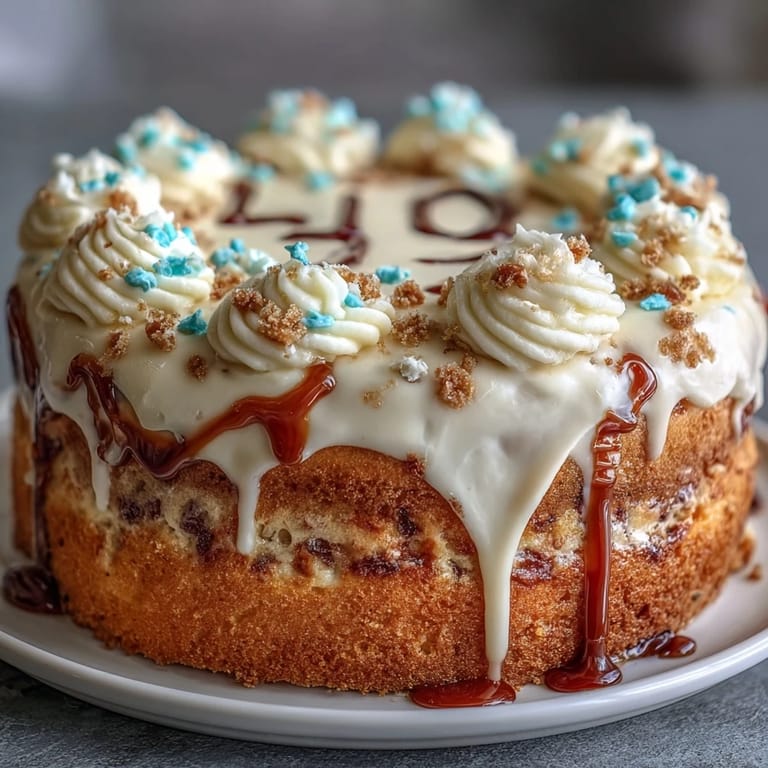
- Transfer tinted frosting to piping bags fitted with small round tips and pipe "Class of 2026" across the top, or your preferred message. If your piping isn't perfect, remember that homemade always trumps flawless.
- Add the finishing touches:
- Sprinkle with edible decorations or sprinkles if desired, pressing them gently so they stick to the frosting. Step back and admire your work before anyone else gets to it.
 Save
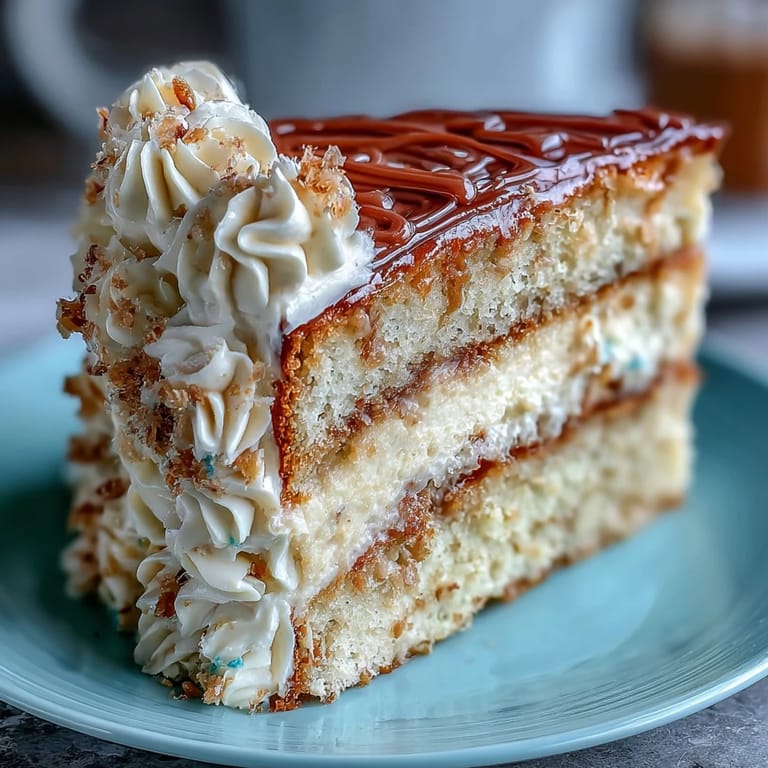
Save There's a moment when you're piping the final letter and someone leans over your shoulder to watch, and suddenly you realize this cake represents something bigger than sugar and flour. It's a milestone marked in buttercream, a moment someone will remember. That's worth the care you put into it.
Making It Your Own
The beauty of this cake is that it's a blank canvas waiting for your personal touch. I've added almond extract to the batter for a subtle nod to a favorite flavor, and I've experimented with lemon zest when I wanted something brighter. You could brush the cooled cake with a simple syrup before frosting if you want extra moisture, or stick a layer of jam between the cake and frosting for depth. The vanilla base is sturdy enough to handle whatever direction your creativity pulls you.
Storage and Make-Ahead Tips
Bake this cake a day or two in advance if your schedule is hectic; it actually tastes better after a day when the crumb has settled and the flavors have mellowed slightly. The frosting can be made separately and stored in an airtight container in the fridge for up to a week, then brought to room temperature and re-whipped for a few seconds before frosting. If you frost the cake in advance, keep it covered at room temperature for up to two days or refrigerated for up to five days; just pull it out an hour before serving so it doesn't taste cold.
Troubleshooting and Common Questions
If your cake sinks in the middle, your oven temperature likely wasn't accurate or you opened the door too early—invest in an oven thermometer and resist the urge to peek. If your frosting looks grainy, your powdered sugar probably wasn't sifted; make peace with it and use it as a lesson for next time. If you're worried about the piping, practice on parchment paper first, or accept that imperfect lettering adds charm. The most important thing is that you showed up and made something homemade.
- Add ½ tsp almond extract to the cake batter if you want a subtle flavor shift that makes people guess what's different.
- Use a turntable if you have one when frosting; it makes spreading buttercream infinitely easier and more even.
- Celebrate the fact that you made this cake from scratch—that effort is visible in every bite.
 Save
Save This cake has become my go-to for every milestone in my circle, because it proves that simple, thoughtful baking never goes out of style. Bake it with intention, frost it with care, and watch it become part of someone's memory.
Recipe FAQ
- → What is the best way to achieve a moist cake texture?
Using room temperature butter and eggs, along with gradual mixing of wet and dry ingredients, helps maintain moisture and a tender crumb in the cake.
- → How can I customize the buttercream colors?
Add food coloring in desired shades to portions of the buttercream to match any theme or school colors before piping the decoration.
- → Can this cake be made ahead of time?
Yes, the cake can be baked and frosted a day in advance. Store it covered at room temperature for up to 2 days or refrigerate for up to 5 days to keep it fresh.
- → What tools are needed for the piping decoration?
A piping bag fitted with a small round tip is ideal for creating clean, celebratory lettering and designs on the cake.
- → Are there gluten-free or dairy-free alternatives?
You can substitute all-purpose flour with a gluten-free blend and replace whole milk with non-dairy milk to accommodate dietary restrictions, adjusting baking times if needed.