 Save
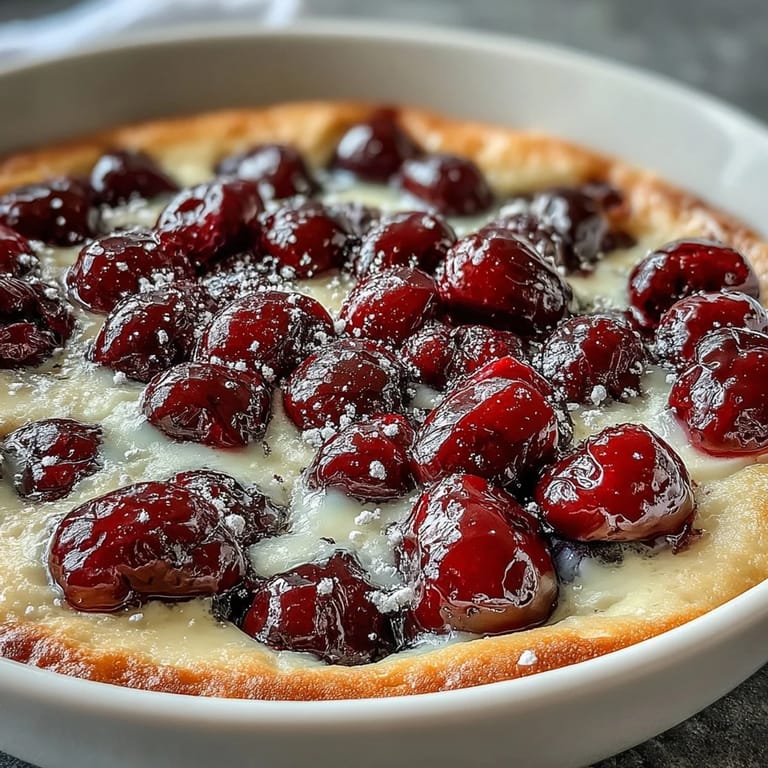
Save One June afternoon, the scent of ripe cherries filled my kitchen as I tumbled them across the counter, their glossy skins catching the sunlight. I was captivated by how such a simple French dessert could harness summer’s best flavor into something so effortlessly elegant. My hands grew slightly stained as I pitted each cherry, but that was part of the charm—this clafoutis is never fussy, always inviting. The gentle scrape of vanilla bean into the batter tends to linger in the air, a promise of what’s to come. Somehow, baking this always feels like preparing a little celebration for no reason at all.
Last summer, I baked this clafoutis to cap off an impromptu garden lunch with friends. We sat outdoors, still in our everyday clothes, and passed wedges of the warm, vanilla-scented dessert around the table, forks clinking against plates. Watching everyone chase every last cherry with smiles and powdered sugar dusted lips still makes me grin. No one cared about perfect slices—we were just basking in that fleeting, sweet moment. That’s what this recipe always brings to the table for me.
Ingredients
- Fresh sweet cherries: Their natural juiciness is the heart of this dessert, and I always taste one or two as I pit them to make sure they’re just right.
- Eggs: Three large eggs give the custard a silky structure without it feeling heavy, and bringing them to room temperature helps everything blend smoothly.
- Granulated sugar: A gentle sweetness accentuates the fruit but never overpowers it; I’ve learned not to pack in extra, since the cherries do plenty of work themselves.
- Vanilla bean: Scraping the seeds into the batter perfumes the kitchen and adds tiny flecks of flavor in every bite—if you only have extract, use a teaspoon, but fresh bean feels extra special.
- All-purpose flour: This acts as a subtle thickener, giving the clafoutis its signature custardy-yet-cake-like texture; sifting first helps avoid lumps.
- Salt: Just a pinch brightens everything; I once forgot this, and realized how crucial it is for bringing the flavors together.
- Whole milk and heavy cream: This duo creates creamy richness, so use the best you have on hand—don’t skimp on full fat here.
- Unsalted butter: Melted and cooled, it adds a hint of richness without weighing things down; greasing the pan well means every golden edge releases without a fuss.
- Butter for greasing: Don’t be shy with the butter on the dish—it’s how you get those beautiful crisp bits at the edge.
- Powdered sugar: A dusting just before serving is pure charm and makes it feel a little more festive and French.
Tired of Takeout? 🥡
Get 10 meals you can make faster than delivery arrives. Seriously.
One email. No spam. Unsubscribe anytime.
Instructions
- Get the oven ready:
- Preheat to 180°C (350°F) and generously butter a 24 cm baking dish, making sure to reach every corner.
- Cherry layer:
- Scatter the pitted cherries evenly across the bottom—don’t worry if some overlap, those juices will pool beautifully.
- Whisk eggs and sugar:
- Beat together until pale and slightly thickened, feeling the mixture turn glossy beneath your whisk.
- Add vanilla and dry ingredients:
- Drop in the vanilla seeds, then sift in flour and salt; whisk gently until the batter becomes smooth and free of lumps.
- Blend in dairy and butter:
- Pour in the milk, cream, and cooled melted butter in a steady stream, whisking just until combined—the batter should look silky.
- Pour and bake:
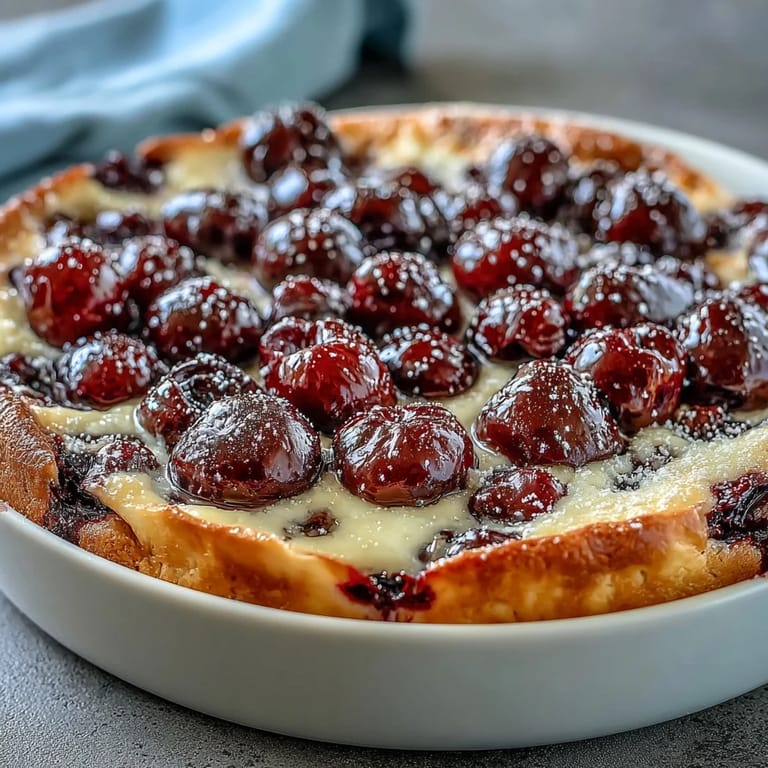
- Carefully pour the custard over the cherries, then slide into the oven. Bake for 35 to 40 minutes, until puffed, golden, and just set at the center.
- Rest and finish:
- Let the clafoutis cool for about 15 minutes; a few cracks on top are part of its rustic charm. Dust generously with powdered sugar and serve warm or at room temperature.
 Save
Save Sometime in late July, my nephew helped me pit cherries for this recipe, both of us sticky-fingered and laughing as juice splattered across the countertop. As we waited for the clafoutis to rise, we watched a summer thunderstorm roll in, the scent of vanilla and baking custard mixing with the storm’s cool breeze. That afternoon, the warm clafoutis was our comfort and reward, and it felt like a tiny triumph shared between generations. It’s funny how the simplest desserts can turn any day into something memorable.
How to Choose the Best Cherries
I always go for glossy, dark red cherries that feel heavy for their size and give easily when pressed. Avoid ones with wrinkled skins or soft spots; if you find a stand at a local market, the difference in flavor is incredible. Taste a couple if you can—the riper they are, the juicier and more flavorful your clafoutis will be. Opting for sweet varieties like Bing or Rainier makes the final result irresistible.
Baking and Serving Suggestions
If you want those golden, crisp edges, make sure your baking dish is well buttered and don’t use glass if you can help it—a ceramic or metal pan gives better caramelization. I often serve this clafoutis slightly warm, dusted with a little extra powdered sugar and sometimes alongside a scoop of vanilla ice cream. Leftovers (if there are any) make for a dreamy breakfast with coffee or espresso. Just know—it’s best the day it’s made, but it never truly goes to waste.
Variations and Troubleshooting
Cherry clafoutis is a forgiving template: swap the fruit for apricots, plums, or even blueberries in a pinch for gorgeous results. If you notice your clafoutis sinking as it cools, that’s normal—the puffiness fresh from the oven always settles, and the custard stays silky. Don’t fret about a few cracks or uneven golden spots—they add to the rustic French charm.
- Chill any leftovers within two hours for freshness.
- Gently reheat at a low oven temperature to avoid toughening the custard.
- Always double check for stray cherry pits before serving, especially if kids will be at the table.
 Save
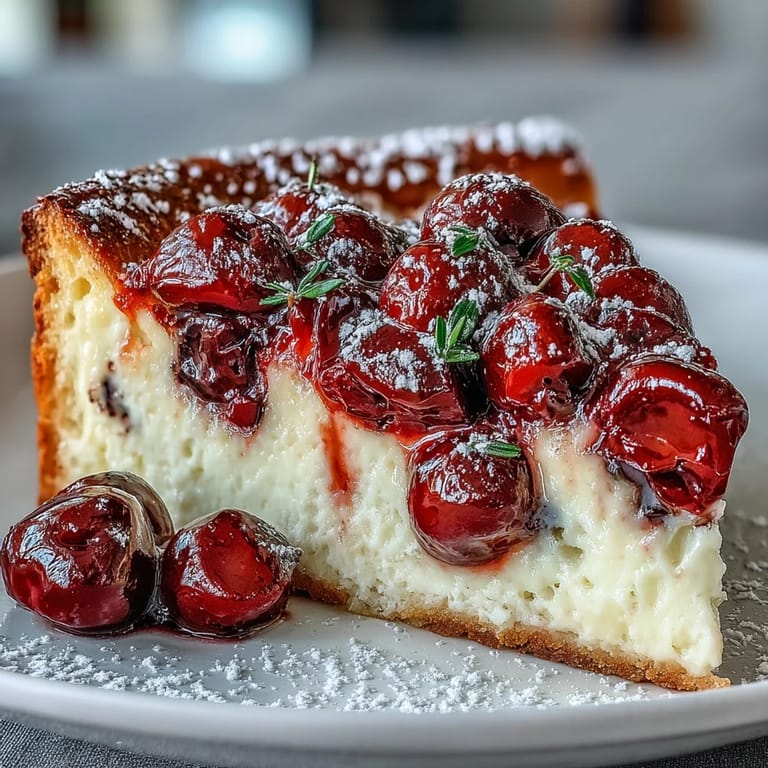
Save However you slice this clafoutis, it’s pure joy on a plate. Some desserts are meant to be easy, shared, and a little messy—this is most definitely one of them.
Recipe FAQ
- → Should cherries be pitted?
Pitting is convenient and easier to eat, but leaving stones in preserves a traditional almond-like note. If you leave them whole, warn diners and serve with care.
- → How can I tell when it's done?
The clafoutis should be puffed, lightly golden at the edges and set in the center but not rock-solid. A slight wobble in the middle is ideal—the custard will firm as it cools.
- → Can I use frozen cherries?
Yes. Thaw and drain excess liquid to avoid a soggy base, and blot cherries dry before arranging in the dish. You may need an extra few minutes of baking time.
- → What flour works best?
All-purpose flour gives the classic tender set. For a lighter finish, substitute up to half with fine almond flour, noting a slightly denser texture and nuttier flavor.
- → How should I store and reheat leftovers?
Cover and refrigerate for up to 2 days. Reheat slices gently in a low oven (160°C / 325°F) for 8–10 minutes or serve chilled; powdered sugar can be refreshed before serving.
- → Can I swap the fruit?
Yes—apricots, plums or halved peaches work well. Adjust baking time slightly for juicier fruits and ensure pieces are evenly distributed for uniform cooking.