 Save
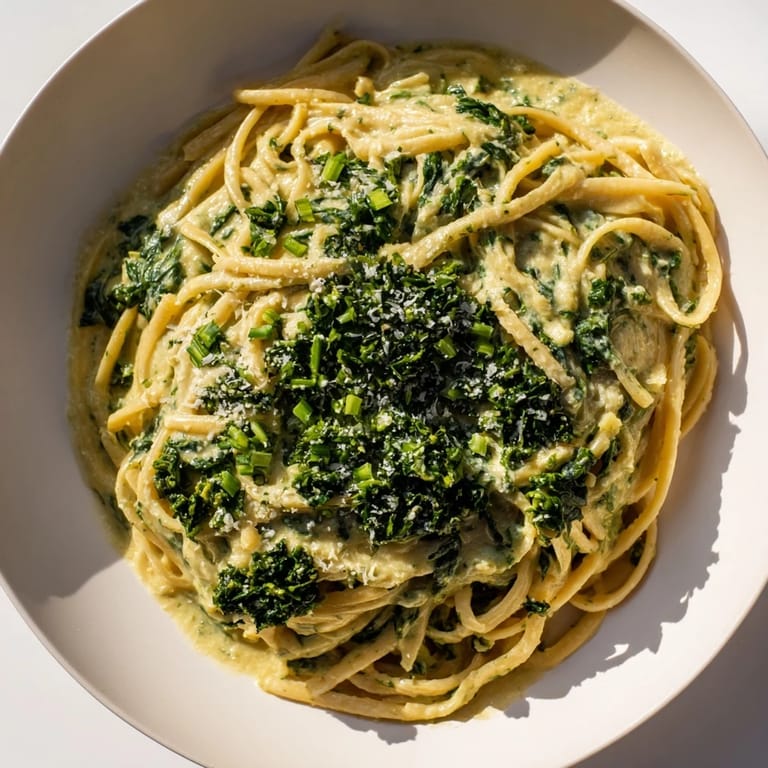
Save I stumbled onto this sauce on a Wednesday night when I had a fridge full of wilting herbs and no plan for dinner. Tossing everything into the blender felt reckless, but the moment I tasted that first spoonful, bright and creamy and impossibly green, I knew I'd never let those herbs go to waste again. It's become my go-to whenever I need something fast but special, the kind of dish that makes you look like you tried harder than you did. There's something about blending fresh greens into silk that feels like a small kitchen miracle every single time.
The first time I made this for friends, I served it in a big ceramic bowl and watched them go quiet as they twirled their forks. One of them said it tasted like a garden, which made me laugh, but she wasn't wrong. I've since brought it to potlucks, picnics, and late-night dinners where nobody expected much, and it always disappears faster than I anticipate. There's something about a sauce this green that makes people curious, then converts them on the first bite.
Ingredients
- Baby spinach: The mild, tender base that blends smooth without bitterness, adding body and deep green color.
- Green cabbage: A surprising addition that lends subtle sweetness and a creamy texture once pureed.
- Fresh parsley: Bright and grassy, it sharpens the flavor and keeps the sauce from tasting flat.
- Fresh basil: Sweet, aromatic, and essential for that herbaceous backbone everyone notices.
- Fresh chives: They bring a gentle onion bite that feels more elegant than raw garlic alone.
- Fresh tarragon: Optional but worth it for that hint of anise that makes the sauce feel restaurant-worthy.
- Garlic: Use fresh cloves, not jarred, the difference in sharpness is undeniable.
- Green onions: Mild and sweet, they layer in extra depth without overpowering the greens.
- Avocado: The secret to velvety richness, it thickens the sauce and adds a subtle creaminess.
- Greek yogurt or sour cream: Tangy and smooth, it balances the herbs and makes the sauce cling to every strand of pasta.
- Mayonnaise: A little controversial but essential for that silky, emulsified texture.
- Parmesan cheese: Salty, nutty, and the umami hit that pulls everything together.
- Lemon juice: Freshly squeezed is non-negotiable, it wakes up the whole sauce.
- White wine vinegar: Just a teaspoon to add brightness without overwhelming the lemon.
- Olive oil: It helps the blender run smooth and adds a fruity richness.
- Salt and black pepper: Season boldly, the greens need it to shine.
- Crushed red pepper flakes: A pinch if you want a whisper of heat lurking beneath the creaminess.
- Pasta: Long noodles like linguine hold the sauce beautifully, but penne works if that's what you have.
Tired of Takeout? 🥡
Get 10 meals you can make faster than delivery arrives. Seriously.
One email. No spam. Unsubscribe anytime.
Instructions
- Boil the pasta:
- Bring a large pot of salted water to a rolling boil and cook your pasta until al dente, following the package timing. Before draining, scoop out half a cup of that starchy, cloudy water and set it aside.
- Blend the sauce:
- While the pasta bubbles away, pile the spinach, cabbage, parsley, basil, chives, tarragon, garlic, green onions, avocado, yogurt, mayo, Parmesan, lemon juice, vinegar, olive oil, salt, and pepper into your blender. Blend on high until the sauce is completely smooth and bright green, pausing to scrape down the sides if needed.
- Adjust consistency:
- If the sauce looks too thick, drizzle in the reserved pasta water one tablespoon at a time, blending between additions until it's pourable but still clings to a spoon. Taste it now and add more salt, pepper, or lemon juice if it needs a boost.
- Toss and serve:
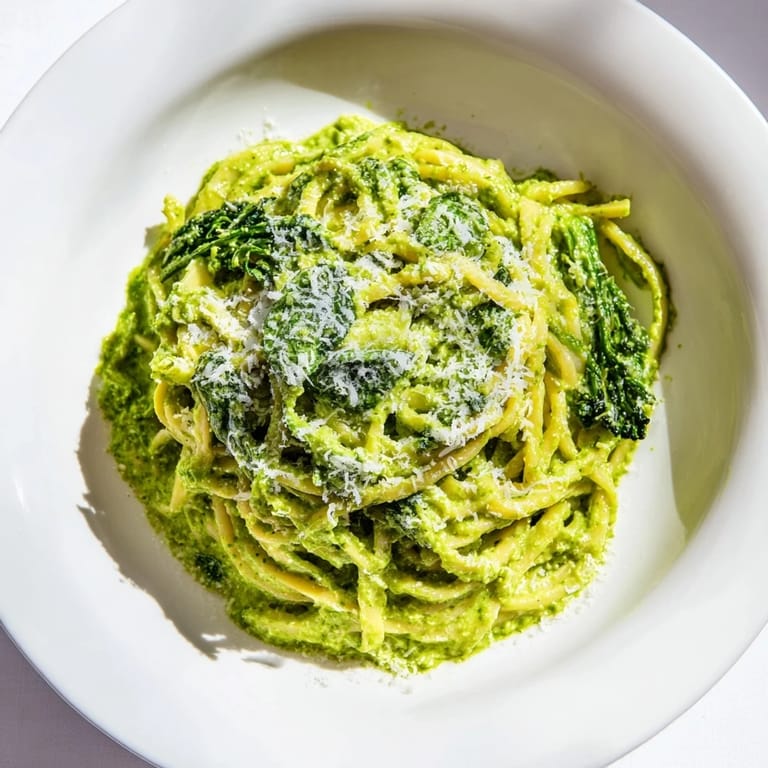
- Drain the pasta and return it to the warm pot, then pour in the green goddess sauce and toss until every piece is coated in that vibrant green. Serve immediately with extra Parmesan and a scattering of fresh herbs on top.
 Save
Save I once made this on a warm May evening and ate it cold straight from the fridge the next morning, standing over the counter in my pajamas. It tasted like something I'd pay too much for at a cafe, creamy and herby and impossibly refreshing. That's when I realized this wasn't just a dinner recipe, it was a whole mood, a reason to keep fresh herbs around and a reminder that sometimes the best meals are the ones you barely planned.
Making It Your Own
If you don't have tarragon, swap in dill or cilantro depending on what flavor direction you want to take. I've made this with whatever herbs were thriving on my windowsill, and it's never been bad, just different. You can also stir in a handful of toasted walnuts or pine nuts before blending for a richer, almost pesto-like depth that makes it feel even more indulgent.
Serving Suggestions
This sauce loves company, so pile on some grilled chicken, roasted shrimp, or crispy chickpeas if you want more protein. I've also spooned it over roasted vegetables, used it as a dip for crusty bread, and even thinned it out with a little more lemon juice to make a salad dressing. It's one of those rare sauces that works hot, cold, or somewhere in between, which means leftovers are never a disappointment.
Storage and Reheating
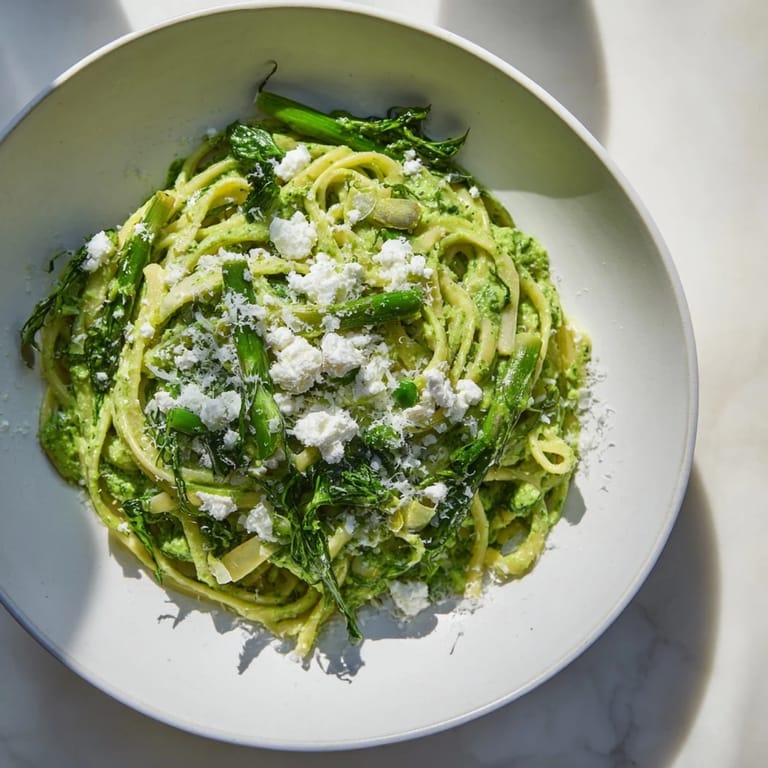
The sauce keeps in an airtight container in the fridge for up to three days, though the color will dull slightly as the herbs oxidize. If you're reheating it, do so gently over low heat with a splash of water or pasta water to bring back the creaminess. I actually prefer eating this cold the next day, tossed with the pasta straight from the fridge, it's like a creamy pasta salad that needs no other ingredients.
- Store leftover sauce separately from the pasta if you can, it stays fresher that way.
- If the sauce splits after sitting, a quick buzz in the blender or a vigorous whisk will bring it back together.
- Freeze the sauce in ice cube trays for quick weeknight portions, just thaw and toss with hot pasta.
 Save
Save This is the kind of recipe I come back to when I need something reliable but exciting, a dish that feels like a hug and a celebration all at once. I hope it becomes one of those recipes you make without measuring, the kind you know by heart and tweak on instinct.
Recipe FAQ
- → What greens are used to make the sauce?
Baby spinach, green cabbage, parsley, basil, chives, and optionally tarragon contribute to the fresh, herbaceous profile.
- → How can I adjust the sauce consistency?
Reserved pasta cooking water is added gradually to achieve a smooth, pourable consistency that coats the pasta well.
- → Can the sauce be made vegan?
Yes, by substituting plant-based yogurt, vegan mayonnaise, and omitting or replacing Parmesan with a vegan alternative.
- → What seasoning enhances the flavor?
Salt, black pepper, and a pinch of crushed red pepper flakes add balanced seasoning and a slight kick.
- → Is this sauce best served hot or cold?
It works well both warm, tossed with hot pasta, or chilled as a fresh pasta salad dressing.
- → What tools are recommended for preparation?
A blender or food processor is ideal for achieving a smooth and creamy sauce texture.