 Save
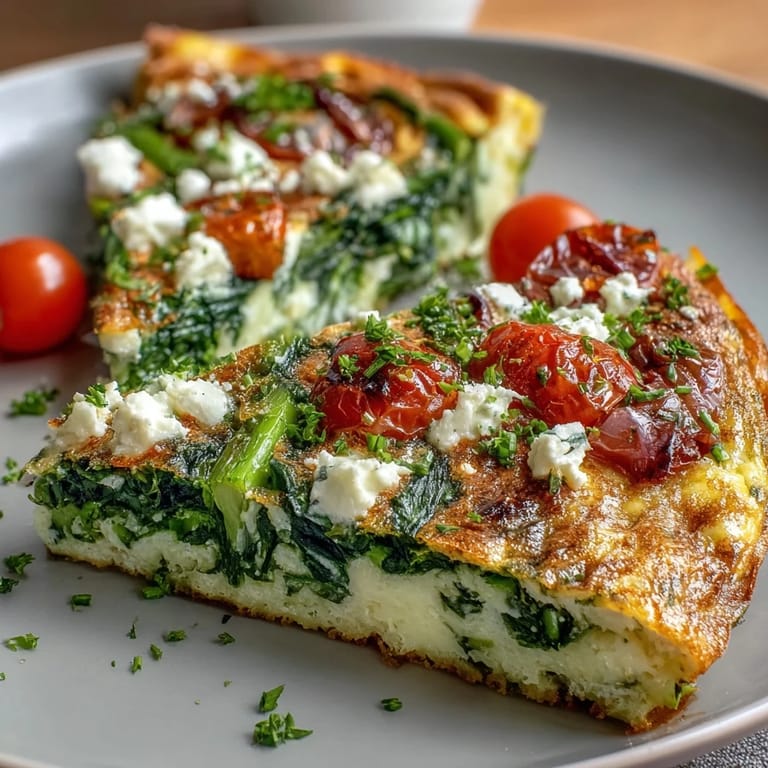
Save Last spring, my neighbor knocked on my door with a basket of fresh asparagus from her garden, and I suddenly realized I had nothing in my fridge that could do it justice. That afternoon, while standing in my kitchen surrounded by the smell of sautéing vegetables, I threw together whatever eggs and herbs I had on hand and created this frittata by accident. What surprised me most wasn't how good it tasted, but how it became our go-to breakfast whenever we wanted something that felt both indulgent and genuinely nourishing.
I made this for a group of friends on an Easter Sunday, and watching them go back for second helpings while barely touching the salad I'd spent hours assembling taught me something important about simple food done well. One of them asked for the recipe right there at the table, which felt like the highest compliment possible.
Ingredients
- Asparagus: Fresh spring asparagus is the star here, and trimming the woody ends is worth the three seconds it takes because it makes each bite tender and clean.
- Baby spinach: Rough chop it instead of leaving whole leaves, and it wilts into the frittata more evenly without creating chewy pockets.
- Cherry tomatoes: Halving them instead of chopping means they keep their shape and burst with sweetness as they warm through.
- Zucchini: Dice it small enough that it softens by the time the eggs set, or you'll end up with slightly crunchy bites that don't quite belong.
- Red onion: The finer you chop it, the more it disappears into the eggs and seasons everything evenly, which is exactly what you want.
- Eggs: Room temperature eggs mix more smoothly and cook more evenly than cold ones straight from the refrigerator.
- Milk: Any kind works here, and honestly, oat milk makes it slightly creamier if you're avoiding dairy.
- Feta cheese: Crumble it by hand rather than buying pre-crumbled, and it distributes more beautifully across the top.
- Fresh parsley and chives: These aren't just garnish, they're what make someone taste this and wonder what you did differently than regular scrambled eggs.
- Olive oil: Use a good one if you can, because it's the only fat holding the whole thing together.
Tired of Takeout? 🥡
Get 10 meals you can make faster than delivery arrives. Seriously.
One email. No spam. Unsubscribe anytime.
Instructions
- Get everything ready first:
- Preheat your oven to 375°F and gather all your vegetables trimmed and chopped near your stove. This is the moment you'll be grateful you did this, not standing around waiting for the pan to heat while vegetables sit and oxidize.
- Wake up the onions:
- Heat olive oil in your 10-inch oven-safe skillet over medium heat and add the red onion, letting it soften for about 2 minutes until it becomes translucent and fragrant. This is your flavor foundation, so don't skip it even though it feels like a small step.
- Build your vegetable base:
- Add the asparagus, zucchini, and a pinch of salt, then cook for 3 to 4 minutes while stirring occasionally, until they're just starting to yield but still have a touch of firmness. You're looking for that point where everything is tender enough to eat but hasn't turned mushy.
- Finish the vegetables:
- Stir in your spinach and cherry tomatoes and let them soften for 1 to 2 minutes, watching as the leaves wilt down and the tomatoes warm through. The kitchen will smell incredible at this point, and you'll understand why people write poems about vegetables.
- Prepare the egg custard:
- Whisk your eggs with milk, salt, black pepper, and red pepper flakes in a medium bowl until everything is combined and the mixture is pale. This is easier than you'd think and takes maybe 60 seconds if you don't overthink it.
- Bring it together:
- Pour the egg mixture evenly over the vegetables in the skillet, then sprinkle the feta, parsley, and chives across the top in a way that feels generous. Take a second to admire how colorful it looks before you move forward.
- Set the edges:
- Let the frittata cook on the stovetop for 2 to 3 minutes over medium heat until you see the edges starting to set but the center still jiggles slightly. You'll know it's ready when a spatula slides around the edges without too much resistance.
- Finish in the oven:
- Transfer the whole skillet to your preheated oven and bake for 10 to 12 minutes until the center is set and the top is lightly golden brown. The transition from stovetop to oven is what makes this frittata fluffy instead of dense, so don't skip this step.
- Rest and serve:
- Let it cool for just a few minutes, then slice it into wedges and serve warm or at room temperature, knowing it's just as good hours later. This is the kind of dish that tastes better when you're not rushing, so take your time with it.
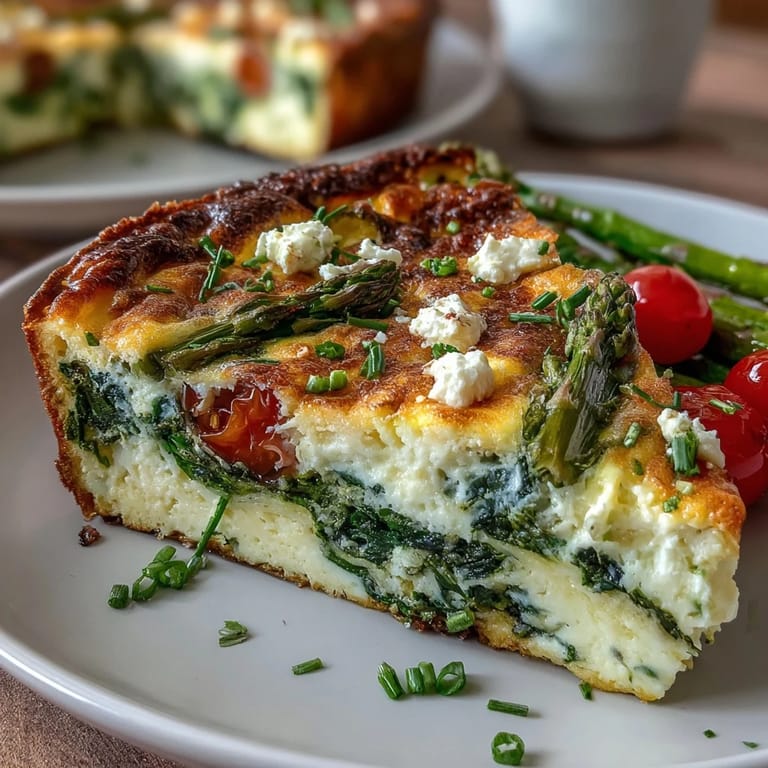 Save
Save There was an evening when my daughter came home stressed about something at school, and I made this frittata while she sat at the kitchen counter. By the time it came out of the oven, she was laughing at something I'd said, and we ended up eating it straight from the skillet with bread and talking until the sun went down. That's when I realized this recipe had become about more than nutrition or ease.
Why Spring Vegetables Matter
Spring vegetables taste different than their winter counterparts, and there's actual science behind that brightness. Asparagus, fresh spinach, and young zucchini have a delicacy that heavier vegetables can't match, and pairing them with eggs somehow intensifies that fresh quality instead of diluting it. This is the recipe that made me stop shopping for produce out of habit and start actually looking forward to what each season brings.
The Case for One-Pan Cooking
Everything happens in a single skillet here, which means fewer dishes but also better flavor development because everything cooks together rather than separately. The vegetables release their juices directly into the eggs, which then absorb all that goodness, creating something more cohesive than if you'd cooked them side by side. Once you understand how this works, you start seeing the potential in other one-pan dishes.
Make It Your Own
This frittata is honestly just a template wearing spring vegetable clothing, which means you can swap almost anything in or out depending on what's calling to you. Peas instead of zucchini, leeks instead of red onion, fresh dill instead of chives, or even a handful of fresh herbs you're trying to use up all work beautifully. The only real rule is cooking vegetables until they're tender before the eggs go in, so they finish at the same time the custard sets.
- Dairy-free versions work perfectly with plant-based milk and a quality dairy-free cheese or simply omitting the cheese entirely.
- Leftovers keep in the refrigerator for three days and taste just as good cold as they do warm, making this an excellent meal prep strategy.
- This scales beautifully to feed a crowd by using a larger skillet or doubling the recipe in a 9x13 baking dish.
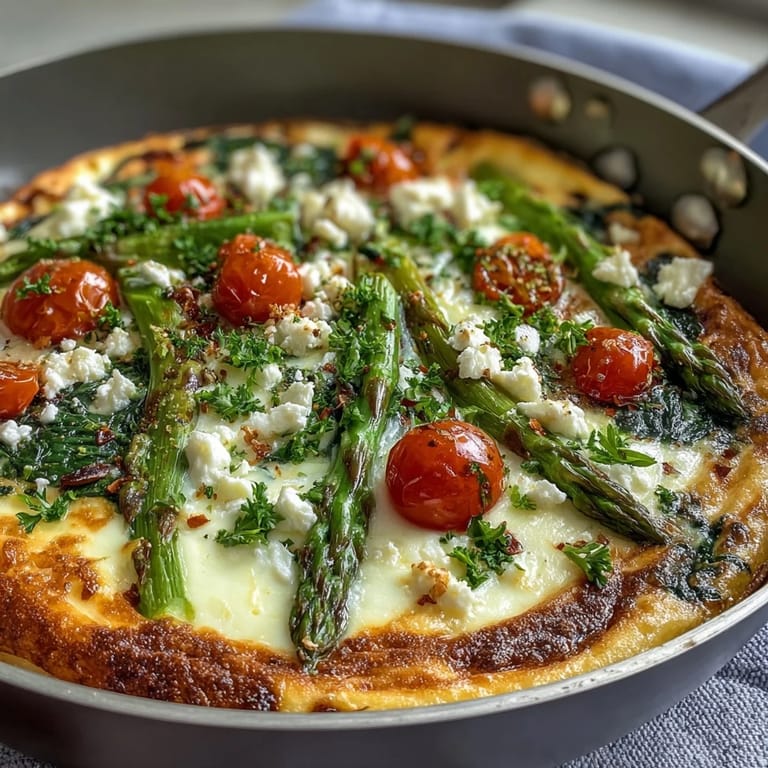 Save
Save This frittata has become my answer to the question of what to make when I want something that feels both special and achievable. It's proof that simple food, cooked with attention and built from good ingredients, is always enough.
Recipe FAQ
- → Can I use other vegetables?
Yes, seasonal vegetables like peas, leeks, or bell peppers can be swapped in to vary the flavors and textures.
- → How can I make this dairy-free?
Use plant-based milk and substitute feta cheese with a dairy-free alternative or omit it altogether.
- → What is the best way to cook the vegetables?
Sauté the vegetables in olive oil over medium heat until just tender to retain their natural flavors and texture.
- → Can I prepare this ahead of time?
Yes, assemble the vegetable and egg mixture in advance and bake fresh when ready to serve for convenience.
- → What pairs well with this dish?
A mixed green salad, crusty bread, or a crisp Sauvignon Blanc complement the vibrant flavors beautifully.
- → Is this suitable for gluten-free diets?
Yes, as it contains no gluten ingredients, it’s naturally gluten-free and suitable for those avoiding gluten.