 Save
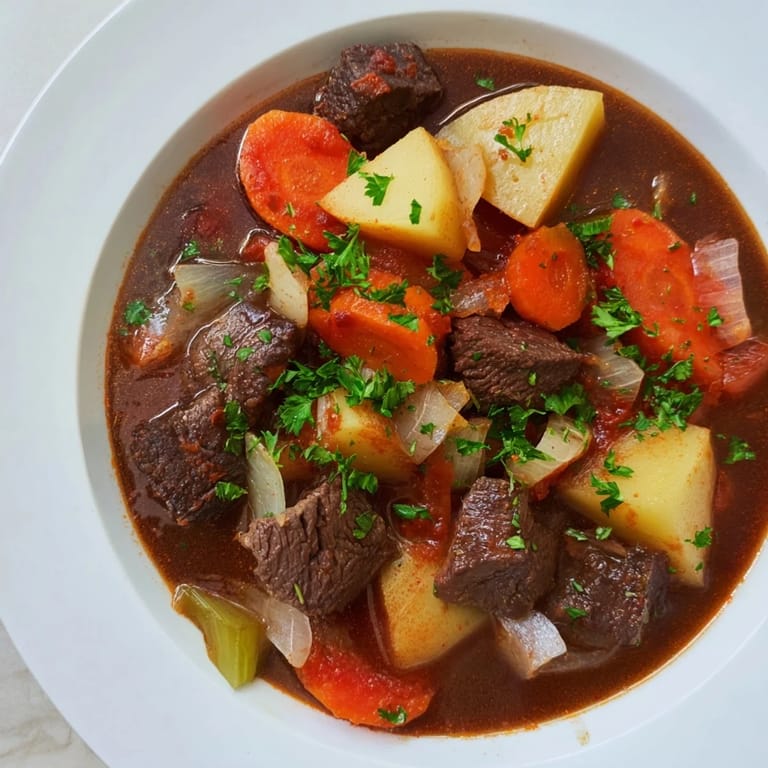
Save My neighbor brought over a pot of Irish beef stew on the first truly cold evening of November, and I watched steam rise from the bowl as she ladled it out. The smell hit me instantly—rich beef, sweet carrots, that deep earthiness that only comes from hours of patient simmering. She told me her grandmother made this every Sunday without fail, and after one spoonful, I understood why it became a ritual worth keeping. There's something about a stew this honest that makes you want to slow down and actually taste what's in front of you.
I made this the week my sister visited from overseas, and we sat in the kitchen with bowls balanced on our laps, talking until the stew went cold. The simplicity of it—just beef and vegetables and time—made room for real conversation instead of fussy plating or technique worries. That afternoon taught me that the best meals are the ones where the food stays out of the way and lets people actually connect.
Ingredients
- Beef chuck (1.5 kg, cut into 2-inch cubes): This cut has enough fat and connective tissue to become silky after long cooking; avoid lean cuts that turn tough and stringy.
- Potatoes (4 large, peeled and chunked): The starch helps thicken the broth naturally, and waxy potatoes hold their shape better than mealy ones.
- Carrots (4 large, sliced): They sweeten the broth as they break down, so don't skip them or use less.
- Onions (2 large, chopped): These form the flavor base along with the garlic; rough chopping is fine since they'll soften into nothing anyway.
- Celery (2 stalks, sliced): Often overlooked but it adds a subtle savory note that ties everything together.
- Garlic (3 cloves, minced): Added after the aromatics soften so it doesn't burn and turn bitter.
- Beef stock (1.2 liters): Use homemade or good-quality store-bought; thin broth makes thin stew.
- Guinness or dark beer (330 ml, optional): The beer adds depth and a subtle malty sweetness, but it's truly optional if you prefer alcohol-free.
- Tomato paste (2 tbsp): A small amount adds umami without making the stew taste like tomatoes.
- Worcestershire sauce (2 tbsp): The secret weapon that makes people ask what spice you used.
- Bay leaves, thyme, and rosemary: Classic partners for beef; don't use fresh rosemary or it can turn piney and overwhelming.
- Salt, pepper, and vegetable oil: Kosher salt granules are easier to control than table salt when seasoning meat.
- Fresh parsley (2 tbsp, for garnish): A bright finish that cuts through the richness of the stew.
Tired of Takeout? 🥡
Get 10 meals you can make faster than delivery arrives. Seriously.
One email. No spam. Unsubscribe anytime.
Instructions
- Dry and season the beef:
- Pat each cube thoroughly with paper towels so water doesn't steam the meat; season generously with salt and pepper before the pot even touches heat.
- Sear the beef in batches:
- Work in two or three batches so the pieces aren't crowded; crowded meat steams instead of browning, and that crust is what builds flavor. This takes time but it matters.
- Build the base:
- Cook onions and celery until soft and fragrant, then add garlic for just one minute so it doesn't burn. The tomato paste comes next and should cook for a full minute to lose its raw edge.
- Deglaze and add liquid:
- If using beer, pour it in and scrape the bottom with a wooden spoon until all the browned bits come loose; that's liquid gold flavor-wise. Let it bubble for two minutes before returning the beef.
- Combine everything:
- Add carrots, potatoes, herbs, stock, and Worcestershire sauce all at once; stir until the beef is submerged. Bring to a gentle boil, then turn the heat way down.
- Simmer low and slow:
- Cover and let it bubble just barely for two to two and a half hours, stirring once every thirty minutes or so. You want gentle, lazy bubbles, not an aggressive rolling boil that falls apart the meat.
- Finish and taste:
- Remove the bay leaves and taste before serving; the stew might need more salt or pepper than you think since the long cooking mutes flavors slightly.
 Save
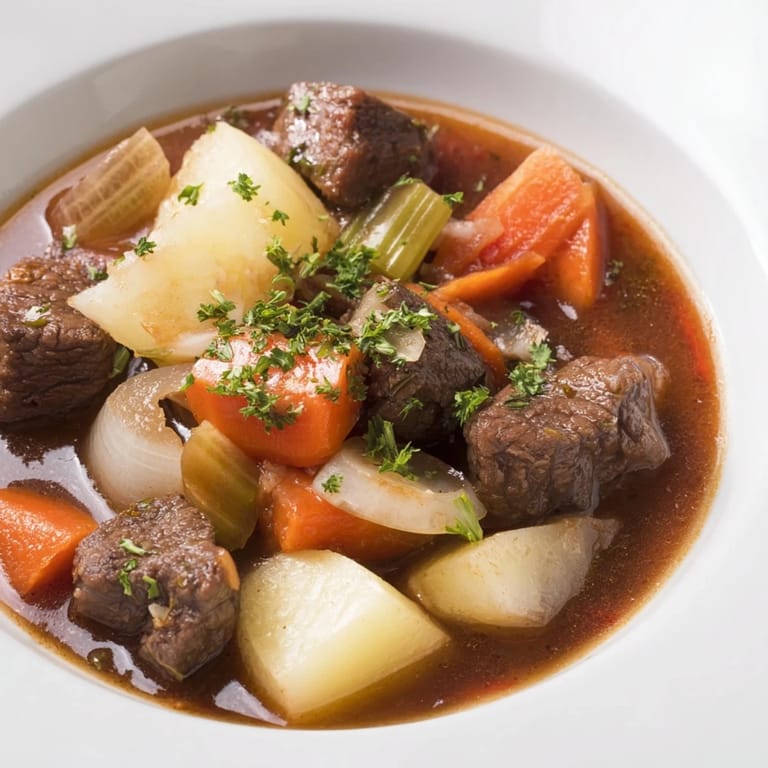
Save The first time my partner tasted this stew, they asked if I'd been cooking it all day, and when I said two hours, they didn't believe me. That moment of someone surprised by simplicity is when I knew this recipe was a keeper.
Choosing Your Beef
Chuck is forgiving because it's marbled with fat and connective tissue that turns to gelatin, creating a natural richness you can't rush. I once made this with sirloin because I had it on hand, and the meat came out grainy and tough despite cooking it the same amount of time. Stick with chuck or ask the butcher for stewing beef; they'll cut it properly and know exactly what to recommend.
The Beer Question
Guinness adds a subtle depth that feels more like a secret ingredient than an obvious beer flavor; if you use it, don't go crazy because a whole bottle can make the stew taste boozy and one-note. I've made this with porter, stout, and without any beer at all, and all versions are delicious, so use what you have or what you're comfortable with. The Worcestershire sauce does much of the heavy lifting anyway.
Make It Your Own
Some cooks add pearl onions instead of chopped, others throw in mushrooms or swap lamb for beef, and none of these are wrong. The beauty of stew is that it's flexible as long as you respect the cooking times and the technique of building flavor with a proper sear. This isn't a precious recipe that falls apart with substitutions; it's a framework for feeding people well.
- Thick-cut bacon cooked and crumbled on top adds smokiness that nobody expects.
- A pinch of sugar or a dab of mustard can brighten the stew if it tastes one-note after cooking.
- Parsnips, turnips, or rutabaga can replace some of the potatoes if you want more interesting texture.
 Save
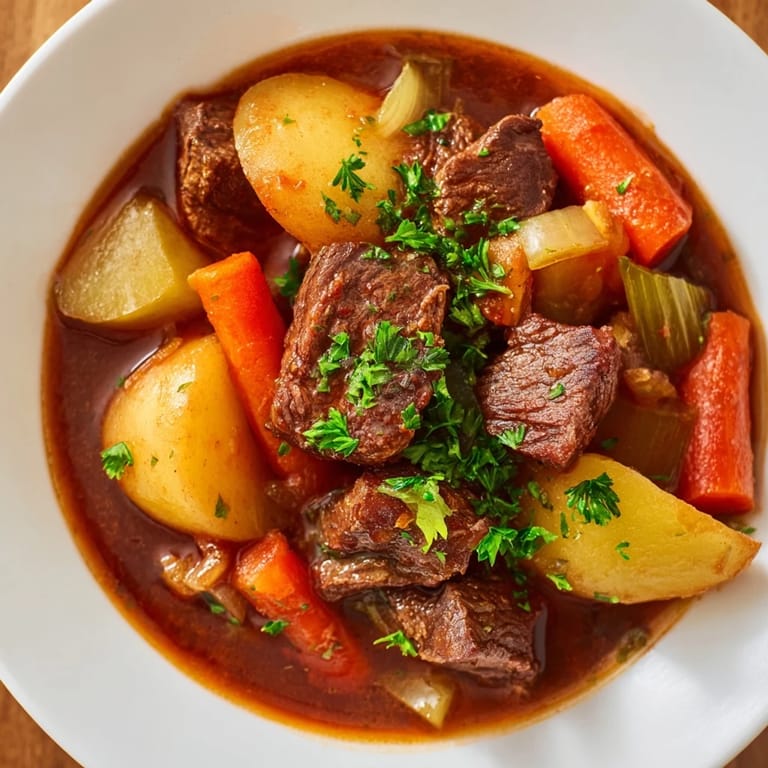
Save This stew asks nothing from you except patience and a heavy pot, and it gives back comfort in every bowl. Serve it with crusty bread to soak up the broth, or over mashed potatoes if you want it even more filling.
Recipe FAQ
- → What cut of beef works best for this stew?
Beef chuck cut into cubes is ideal as it becomes tender and flavorful during the long simmer.
- → Can I omit the Guinness stout?
Yes, omitting the stout is fine, especially for gluten-free needs; it can be replaced with extra beef stock.
- → How do I thicken the stew naturally?
Mash a few chunks of cooked potato into the broth to give a thicker, heartier texture.
- → What herbs enhance this dish?
Bay leaves, thyme, and rosemary give a fragrant, savory depth that complements the beef and vegetables.
- → How is the stew best served?
Serve hot, garnished with fresh parsley, alongside crusty bread or mashed potatoes for a satisfying meal.