 Save
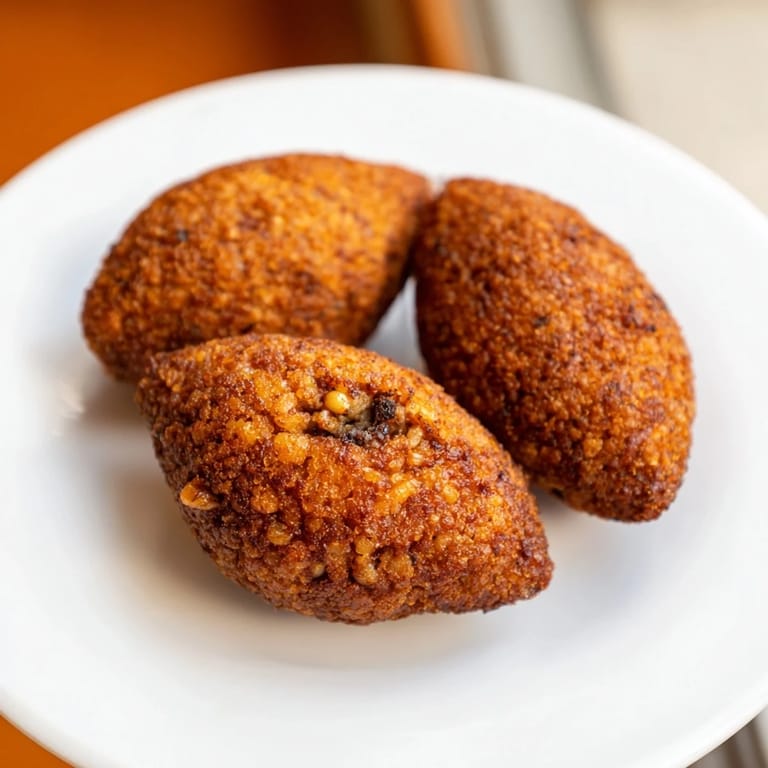
Save The first time I watched my grandmother shape kibbeh, her hands moved with such certainty that the oval shells seemed to form themselves. She'd dip her fingers in water, pinch the bulgur mixture into a thin pouch, and tuck the spiced meat filling inside with the kind of practiced ease that only comes from decades of repetition. I was mesmerized by how she'd seal each one without tearing the delicate dough, and even more impressed when she fried them until they turned the color of burnished copper. That memory stayed with me long after I left her kitchen, so I finally decided to master it myself.
I made these for a dinner party on a rainy evening, and I remember the kitchen filling with the smell of cinnamon and allspice mixing with hot oil, while my guests gathered at the counter asking questions faster than I could fry. One friend took a bite and closed her eyes, then asked if I could teach her the trick. There is no trick, really—just patience and wet hands, but I loved that she thought there was something magical happening.
Ingredients
- Fine bulgur wheat: The foundation of kibbeh, it softens gently in water and creates that signature tender texture when mixed with meat—don't use coarse bulgur or your dough will feel grainy.
- Lean ground beef or lamb: Lamb gives a more traditional, deeper flavor, but beef works beautifully and is often easier to find; use whichever you prefer, just make sure it's fresh.
- Onion: Finely minced so it disappears into both the dough and filling, adding sweetness and binding everything together.
- Allspice and cinnamon: These warm spices are what make kibbeh taste like kibbeh—there's no substitute for them, and they should smell fragrant when you open the jar.
- Pine nuts: They toast as the filling cooks, turning golden and nutty; they're essential to the filling's texture and flavor, adding a richness that makes people wonder what the secret ingredient is.
- Cold water: Added slowly to the dough to reach the right consistency—it should feel like soft clay, not sticky, so don't rush this step.
Tired of Takeout? 🥡
Get 10 meals you can make faster than delivery arrives. Seriously.
One email. No spam. Unsubscribe anytime.
Instructions
- Prepare the bulgur:
- Rinse it under cold water until the water runs clear, then let it sit for 10 minutes so it absorbs just enough moisture to become tender. You want it softened but not mushy.
- Make the dough:
- Combine the bulgur with ground meat, onion, and spices in a large bowl, then knead it like you're making bread, adding cold water a tablespoon at a time until you have a smooth, cohesive mixture that holds together. This takes a few minutes of real kneading, so be patient.
- Prepare the filling:
- Heat olive oil in a skillet and soften the onions first, then brown the meat, breaking it into small pieces as it cooks. Once the meat is done, add the pine nuts and spices, letting them toast together until the nuts turn golden and fragrant.
- Shape the kibbeh:
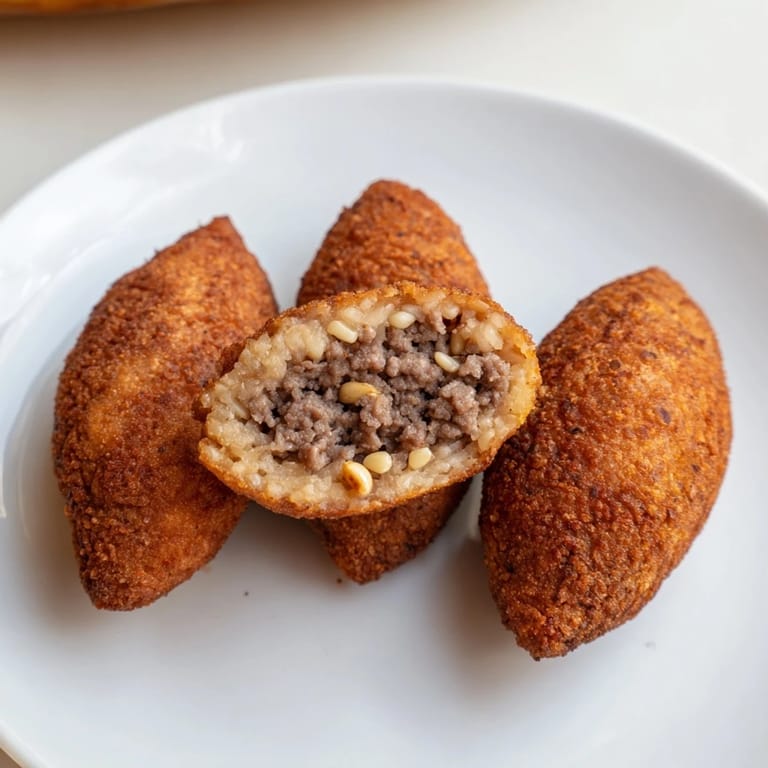
- Wet your hands so the dough doesn't stick, pinch off a piece about the size of a golf ball, and flatten it into a thin oval shell in your palm. Add a teaspoon or two of filling in the center, then pinch the edges together and gently shape it into a torpedo or football—the sealed seams should be invisible when you're done.
- Cook by frying:
- Heat vegetable oil to 350°F and carefully slide the kibbeh into the hot oil in batches, never crowding the pan. Fry for 4 to 5 minutes until they're deep golden brown all over, then lift them out with a slotted spoon and drain them on paper towels.
- Cook by baking:
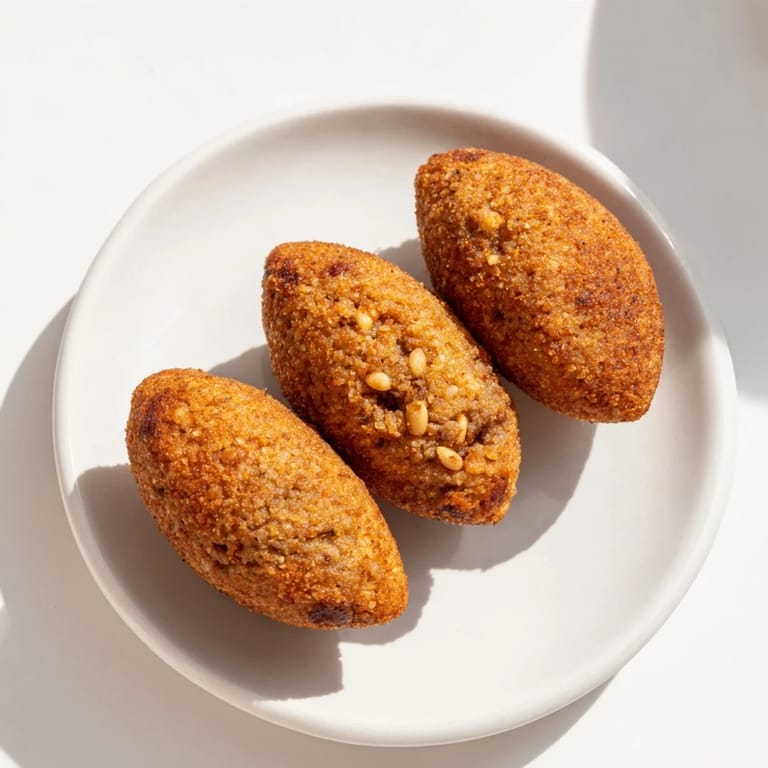
- If you prefer a lighter version, place the shaped kibbeh on a parchment-lined baking sheet, brush them lightly with olive oil, and bake at 390°F for 25 to 30 minutes, turning them halfway through so they brown evenly.
 Save
Save There was a moment during that dinner party when my friend took a second kibbeh without asking, dunked it in yogurt sauce, and just smiled instead of talking. That's when I realized that feeding people something that tastes like home, even if it's not their home, is one of the kindest things you can do.
Choosing Your Meat
Lamb is the traditional choice and it brings a slightly gamey, rich flavor that pairs beautifully with the spices, but it can be harder to find or more expensive. Beef is milder and more accessible, and honestly, a mix of the two gives you the best of both worlds—you get the tenderness of beef with the depth of lamb. I've made kibbeh with all three options, and each one is delicious; what matters most is that the meat is fresh and lean, so the filling cooks evenly without becoming greasy.
Frying versus Baking
Frying gives you that crackling, deeply golden exterior and the incomparable texture of a crispy shell that shatters slightly when you bite into it—it's indulgent and perfect for special occasions. Baking is gentler on your kitchen and your nerves, using less oil and producing a crisper-than-you'd-expect result that's still satisfying. Neither method is better than the other; they're just different moods. I fry mine when I'm feeling celebratory and bake them when I want to feed a crowd without standing over hot oil for thirty minutes.
Serving and Storage
Kibbeh is best served warm or at room temperature with cool, creamy yogurt sauce or tahini sauce on the side for dipping, alongside a fresh salad with mint, tomato, and lemon dressing. They taste wonderful the day you make them, still delicious the next day cold from the refrigerator, and absolutely perfect when you reheat them gently in a warm oven. You can also freeze the shaped kibbeh on a baking sheet before cooking them and keep them for up to three months—when you're ready to cook, just add a minute or two to the cooking time since they'll be starting from frozen.
- For a vegetarian version, fill them with cooked lentils mixed with sautéed mushrooms and the same spices.
- Make extra filling and you'll have a delicious spiced meat mixture to use in other dishes throughout the week.
- If the dough ever feels too warm or sticky while you're shaping, just refrigerate it for another 10 minutes and start again.
 Save
Save These little golden croquettes are more than just food—they're a way of slowing down, of sharing something that took time and care, of saying to someone you care about that they're worth the effort. Make them when you want to feel connected to something older and wiser than yourself.