 Save
Save The first time I truly understood Scottish food wasn't in a fancy restaurant, but in a small kitchen in Edinburgh where steam rose from a bubbling pot and an elderly cook handed me a fork with the kind of confidence that comes from making the same dish for fifty years. Haggis seemed intimidating at first—I'll admit I was skeptical about eating organ meats wrapped in a stomach—but that first bite changed everything. The spices were warm and surprising, the texture hearty and honest, and suddenly I understood why this dish has been cherished for centuries. It's not fancy or pretentious; it's real food made with courage and care.
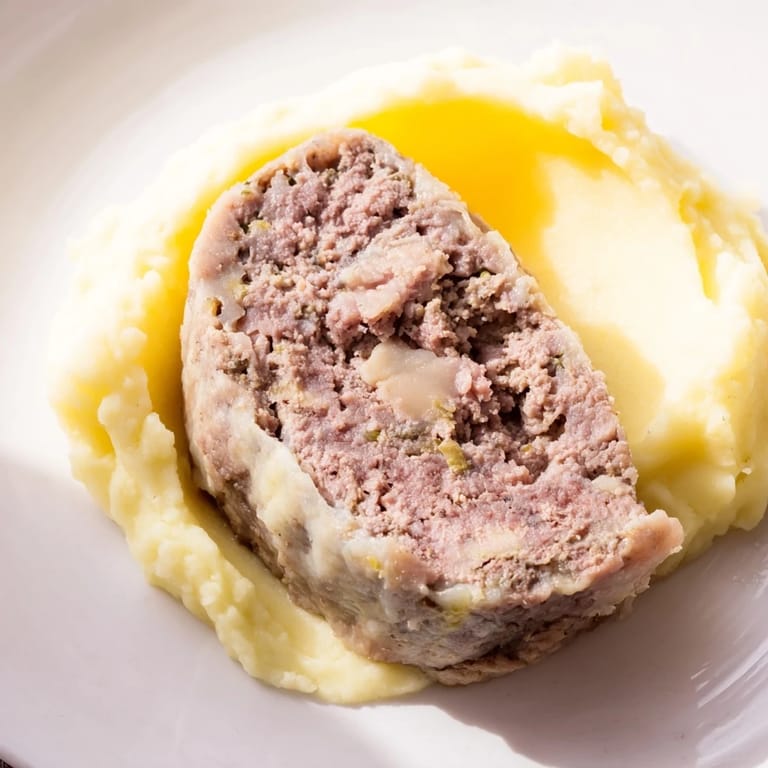
I made this for a Scottish friend's birthday dinner, and watching her face when she realized I'd actually bothered to make proper haggis instead of buying it frozen was worth every minute of prep work. Her whole family gathered around the table, and there was this moment of pure joy before anyone even tasted it—just the sight of it, steaming and golden, meant something to them. That's when I realized haggis isn't really about being adventurous or shocking; it's about belonging to a tradition and showing someone you respect where they come from.
Ingredients
- Sheep's heart, liver, and lungs (500 g): This is the soul of haggis—rich, complex, and irreplaceable, though lamb mince works if you can't source offal.
- Beef or lamb suet (200 g): Finely chop it yourself if possible; it binds everything together and keeps the haggis moist during cooking.
- Steel-cut oats (150 g): Toast them first to deepen the flavor; they're the backbone that gives haggis its distinctive texture.
- Medium onions (2): Finely chop by hand—the knife work matters, and you'll taste the difference in how they soften into the mixture.
- Beef stock (250 ml): Use homemade if you can; it carries all the warmth into every spoonful.
- Spice blend (black pepper, coriander, nutmeg, allspice, salt): These aren't afterthoughts—they're what make haggis sing, so don't skimp or rush the measuring.
- Sheep's stomach or sausage casing: The traditional route adds ceremony to cooking; a pudding basin works beautifully too and feels less intimidating.
- Potatoes and turnips (500 g each): These aren't sides—they're part of the dish, so choose waxy potatoes that hold their shape.
- Butter (50 g): For mashing the neeps and tatties; good butter makes all the difference.
Tired of Takeout? 🥡
Get 10 meals you can make faster than delivery arrives. Seriously.
One email. No spam. Unsubscribe anytime.
Instructions
- Prepare and cook the offal:
- Rinse everything thoroughly under cold water, then place in a large pot and cover with cold water. Bring to a boil, then lower the heat and let it simmer gently for 1 to 2 hours until the meat is completely tender. The steam will fill your kitchen with an intense, complex aroma—don't be startled by it. Once cool enough to handle, mince everything finely or pulse it in a food processor until you have a coarse, even texture.
- Build the mixture:
- In a large bowl, combine your minced offal with the suet, toasted oats, finely chopped onions, and optional minced meat if you're using it. This is where the dish comes together—mix with your hands if you can, so you feel how everything bonds. Add the beef stock and all your seasonings, stirring until you have a moist, cohesive mixture that holds together but isn't soggy.
- Fill the casing or basin:
- If using a stomach, rinse it carefully and fill it loosely—about three-quarters full—leaving room for the mixture to expand as it cooks. Tie the opening with kitchen twine. If using a pudding basin, spoon the mixture in and cover tightly with foil, pressing it around the edges so steam can't escape.
- Poach gently for two hours:
- Set your filled casing or basin into a large pot of boiling water, making sure the water comes about three-quarters up the sides but doesn't spill over the top. Maintain a gentle, steady simmer, checking the water level every half hour to keep it consistent. The longer, slower cooking creates an incredibly tender, integrated texture.
- Prepare the accompaniments:
- While the haggis poaches, boil your potatoes and turnips separately in salted water until they're completely tender, about 20 to 25 minutes. Drain well, then mash each with a good knob of butter and season generously with salt and pepper—don't be shy here.
- Finish and serve:
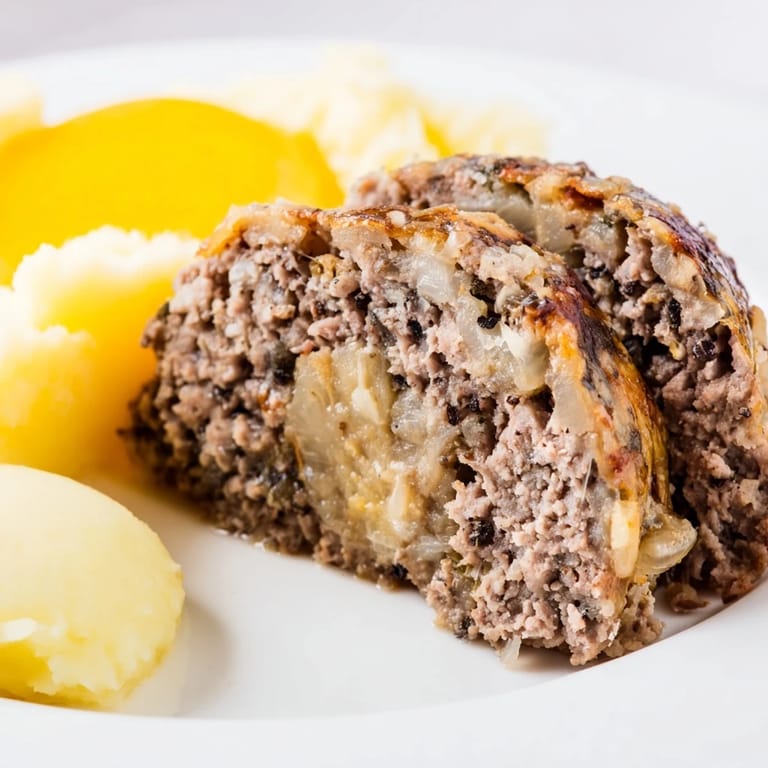
- Carefully lift the haggis from the water and let it rest for a few minutes so the casing doesn't split when you open it. Slice it open lengthwise and serve piping hot alongside the buttered neeps and tatties, letting everyone help themselves.
 Save
Save There's a moment when you slice open a homemade haggis and the steam rises up, when you suddenly realize you've created something that connects you to centuries of people in cold kitchens doing exactly this. That moment feels like magic, even though it's really just patience and respect for an ingredient.
Why Tradition Matters Here
Haggis isn't trendy or designed for Instagram; it's ancient and honest, created out of necessity by people who wasted nothing and honored every part of the animal. Making it yourself, rather than buying it packaged, means you're participating in that same tradition. You're choosing to spend time with an ingredient that most people today never touch, and that choice—that respect—flavors the final dish in ways that money can't buy.
The Spice Story
The spice blend in haggis is deceptive—it looks simple on paper, but together those four spices create something warm, slightly sweet, and deeply savory that tastes nothing like the individual ingredients. Nutmeg brings sweetness, coriander adds brightness, allspice connects everything, and black pepper finishes it with a gentle edge. I once made a batch where I halved the nutmeg, thinking it was too much, and the whole dish felt flat and one-dimensional. Trust the proportions; they've been developed over generations for a reason.
Making It Your Own
If offal truly isn't accessible or appealing to you, it's absolutely fine to use a mix of high-quality ground beef and lamb—the result will be different, but still delicious and still haggis in spirit. Some Scottish cooks add a splash of whisky to the mixture, which adds a smoky note. A few have even experimented with adding finely minced mushrooms for earthiness, or swapping the beef stock for vegetable stock and using vegetable suet to create a plant-based version that somehow works beautifully.
- A whisky cream sauce drizzled on top transforms the dish into something elegant enough for a special dinner.
- Leftover haggis can be sliced and pan-fried until crispy on the outside, served for breakfast with a fried egg on top.
- This dish tastes even better the next day, after the spices have had time to settle and deepen.
 Save
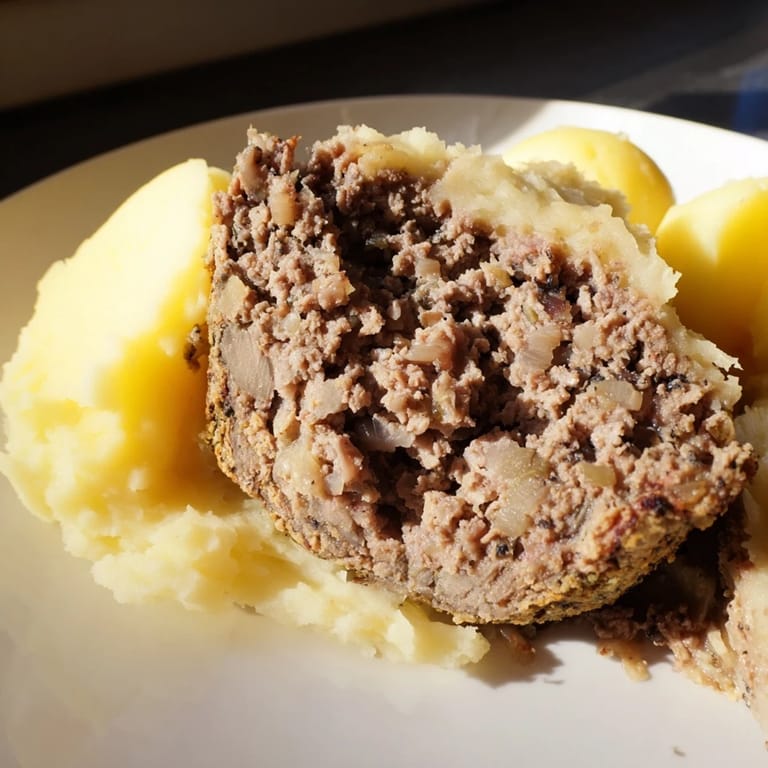
Save Making haggis transformed how I think about cooking, not because it's difficult, but because it asks you to be brave and imaginative with ingredients that most modern recipes ignore. When you serve it to someone and watch them discover how delicious it is, you're giving them a gift that goes far beyond food.
Recipe FAQ
- → What cuts of meat are used for authentic haggis?
Traditional haggis uses sheep's heart, liver, and lungs, finely minced and combined with suet and oats for texture and flavor.
- → How is the casing prepared before cooking?
The sheep's stomach casing should be thoroughly cleaned and rinsed before filling to ensure a tender, evenly cooked pudding.
- → Can I substitute meats for dietary preferences?
You can replace offal with lamb or beef mince for a milder variation, or use pulses and mushrooms for a vegetarian option.
- → What is the traditional accompaniment served with haggis?
Mashed turnips (neeps) and potatoes (tatties), often buttered and seasoned, are classic sides enhancing the dish’s rich flavors.
- → How long should haggis be cooked for optimal flavor?
Simmering the filled casing or basin gently for about two hours develops the signature savory texture and taste.
- → Are there common allergen considerations?
Ingredients include oats containing gluten and suet which may contain wheat traces; always verify casing ingredients to ensure safety.