 Save
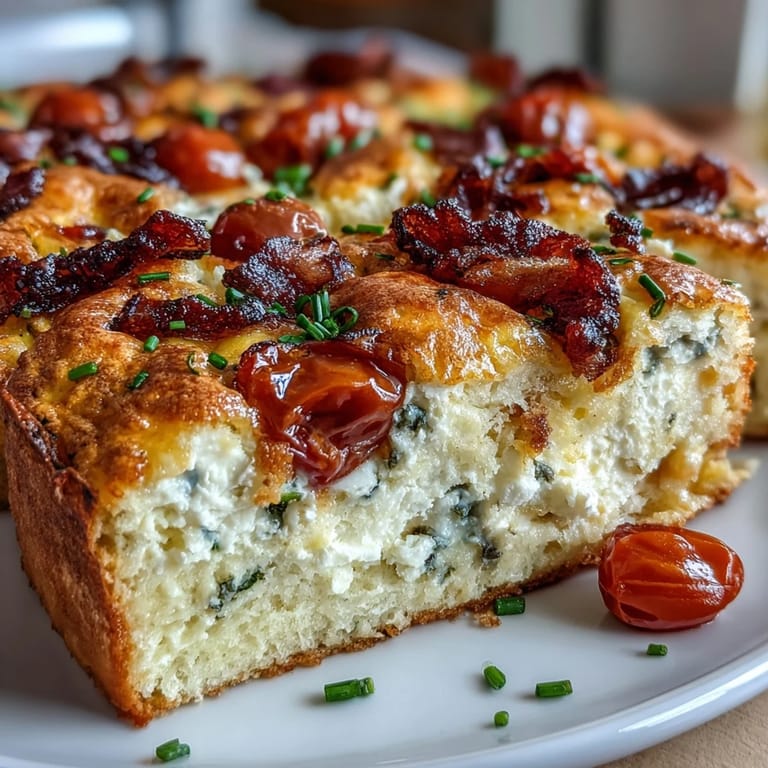
Save The first time I made this sheet pan frittata was one of those spring mornings when birdsong drifted in through the kitchen window and everything outside felt impossibly green. I wasn’t aiming for something elegant—in fact, I remember chuckling when I scattered the veggies, just happy to be prepping breakfast in my slippers. But as the scent of roasting asparagus and onions sweetened the air, even my groggy houseguests started poking their heads in asking what was cooking. This isn’t your average stovetop scramble; it’s lush, vibrant, and made to share, perfect for those festive brunches when you want effortlessness and a bit of flair. I still think of that morning whenever I reach for my biggest sheet pan and a handful of fresh herbs.
Last Easter, I cooked this for a hungry crowd in my tiny apartment, music on and coffee brewing, laughter spilling down the hallway. There was something about sliding that puffy golden frittata from the oven—everyone gathered, plates in hand, and suddenly, brunch felt as joyful as the season outside.
Ingredients
- Asparagus: Nothing says spring like asparagus; chop just the tender stalks for crisp texture and clean flavor.
- Cherry tomatoes: Sweet and juicy, they burst perfectly when roasted and add gorgeous color.
- Bell peppers (red and/or yellow): Use both colors for a visual pop and sweet crunch; dice evenly so they cook at the same rate.
- Baby spinach: A quick wilt is all it needs—roughly chop so that it weaves throughout every bite.
- Red onion: Thinly slice so it softens without overpowering; a little goes a long way for flavor.
- Large eggs: The backbone of the frittata; crack into a bowl separately to avoid stray shell bits (hard lesson learned).
- Whole milk: Makes the eggs lush and tender—don’t sub with water or you’ll lose that creaminess.
- Feta (or goat cheese): Salty, tangy, and just crumbly enough that it melts in patches—feel free to swap for goat cheese if that’s your thing.
- Parmesan: Adds a little sharpness at the edges; grate it yourself for best results.
- Olive oil: For sautéing the veggies and prepping the pan, choose a good quality for fuller flavor and aroma.
- Fresh chives: These herbs give a subtle onion note—snip finely with kitchen scissors.
- Fresh parsley: Chopped just before adding, it brings out a clean, green lift.
- Salt: Essential for depth; sprinkle evenly into the eggs.
- Black pepper: Freshly ground wakes up the whole dish with gentle heat.
- Smoked paprika (optional): Try just a pinch for smoky undertones that play well with roasted veggies.
Tired of Takeout? 🥡
Get 10 meals you can make faster than delivery arrives. Seriously.
One email. No spam. Unsubscribe anytime.
Instructions
- Get your oven and pan ready:
- Preheat your oven to 400°F (200°C); line a rimmed sheet pan with parchment or a good slick of olive oil so nothing sticks.
- Mix up the eggs:
- In your biggest bowl, whisk eggs, milk, salt, pepper, and smoked paprika furiously until you see bubbles and the mix loosens up.
- Layer in flavor:
- Stir in feta, Parmesan, chives, and parsley with a gentle hand, letting the cheeses disperse but stay visible.
- Sauté the vegetables:
- Add olive oil to a hot skillet, then the asparagus, bell peppers, and red onion; stir and smell the change as they soften and sweeten after a few minutes.
- Wilt the spinach:
- Toss in the spinach last, folding it through until just barely wilted before taking everything off the heat.
- Layer the pan:
- Scatter your sautéed vegetables and cherry tomatoes evenly across the sheet pan, aiming for a little color in every corner.
- Pour on the eggs:
- Gently pour the egg mixture over the vegetables, using a spatula to nudge any stubborn bits into place for full coverage.
- Level and bake:
- Give the pan a quick shake so the top smooths out, then slide it into the oven and wait for the kitchen to fill with that irresistible savory aroma.
- Cool and slice:
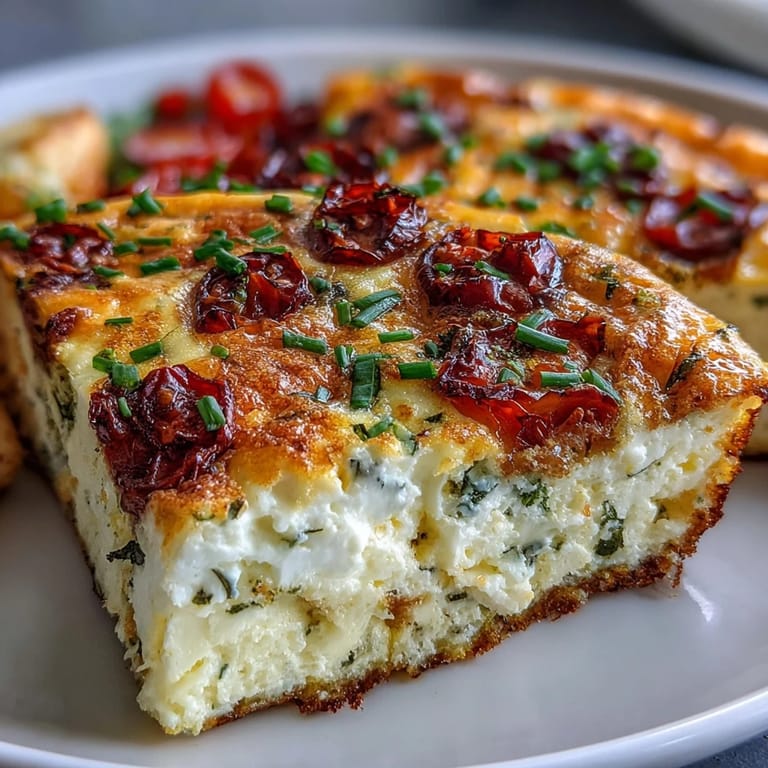
- When it emerges puffed and golden, let it rest five minutes before slicing into neat squares—warm or room temp, both work beautifully.
 Save
Save There’s a photo of us, plates loaded with frittata, still in pajamas, toasting with orange juice by the window—and honestly, every time I see it, I remember how something as simple as eggs and veggies turned into the best kind of morning memory.
Choosing the Best Veggies for Spring
I love swapping in whatever’s most vibrant at the market—tender zucchini, sweet green peas, or even a handful of fresh herbs from the garden. The colors and flavors change a little each time, and the frittata always feels new. Just be careful to cut everything to about the same size so it bakes evenly and you never get a raw crunch or overdone mush.
Making it in Advance for Easy Hosting
On busy holiday mornings, nothing beats having this ready before guests arrive. You can prep and bake the whole frittata a day ahead, then let it come up to room temperature or zap it gently in the oven for a few minutes before slicing. Leftovers are also a gift—they make a satisfying lunch tucked into pita or beside a salad.
Frittata Flavors to Try All Year
Once you master the method, it’s pure fun to riff on the filling. Try sharper cheeses like cheddar, add roasted potatoes or artichoke hearts, or play with Mediterranean seasoning for a new twist every time. This recipe’s become my go-to for fridge cleanout nights or surprise guests.
- If your veggie stash looks sparse, double up the cheese instead.
- Don’t skip the rest before cutting—slices hold together best if you let them cool slightly.
- Always taste for seasoning in the egg mix before baking; it’s your last chance to adjust.
 Save
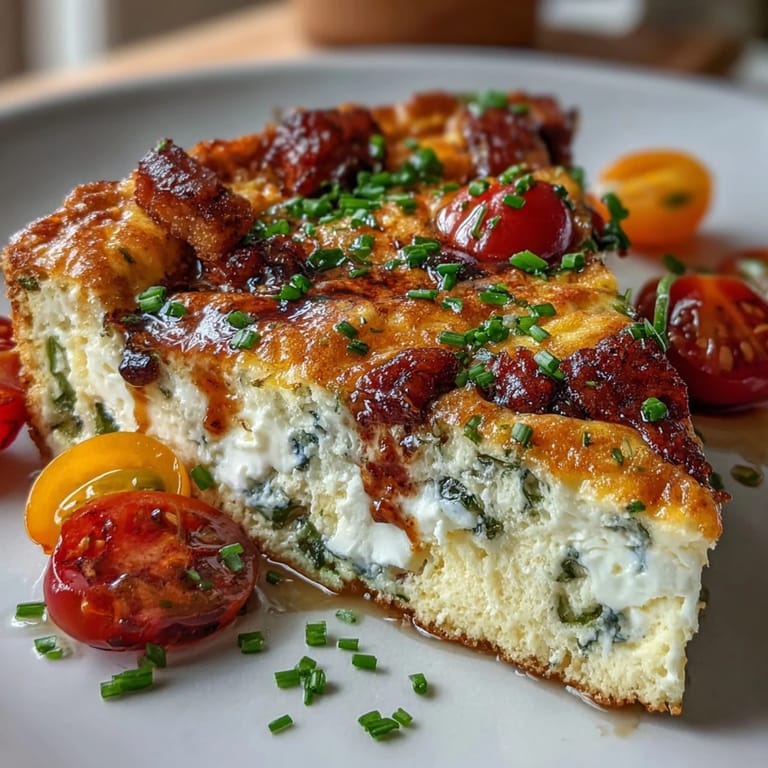
Save I hope this frittata brings as much color and fun to your brunch table as it has to mine. It’s a little slice of spring you can make any day you need something easy, comforting, and bright.
Recipe FAQ
- → How do I prevent a soggy center?
Whisk the eggs until slightly frothy and avoid overloading the pan with wet vegetables. Sauté vegetables until just tender to remove excess moisture, and bake until the center is set and the edges are golden.
- → Can I make this ahead of time?
Yes. Bake, cool, then refrigerate in an airtight container for up to 3 days. Reheat gently in a low oven or serve at room temperature for easy brunch service.
- → How do I check for doneness?
The frittata is done when it is puffed, golden at the edges and no longer jiggly in the center. A knife inserted in the middle should come out clean or with just a few moist crumbs.
- → What are good vegetable substitutions?
Swap in seasonal produce like zucchini, peas, artichoke hearts or roasted mushrooms. Just adjust sauté time so vegetables are tender but not watery before baking.
- → How can I make it dairy-free?
Use a plant-based milk and dairy-free cheese alternatives or omit the cheeses entirely and increase herbs for flavor. A splash of nutritional yeast adds a savory note if desired.
- → Is freezing an option?
Yes. Freeze cooled, sliced squares in a single layer on a tray, then transfer to a sealed bag for up to 2 months. Reheat from frozen in a moderate oven until warmed through.