 Save
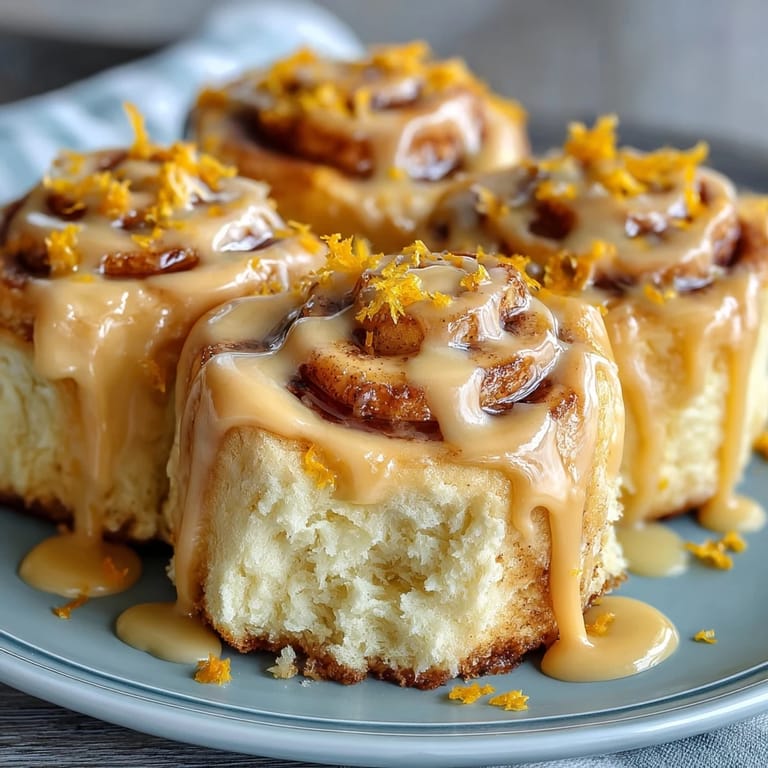
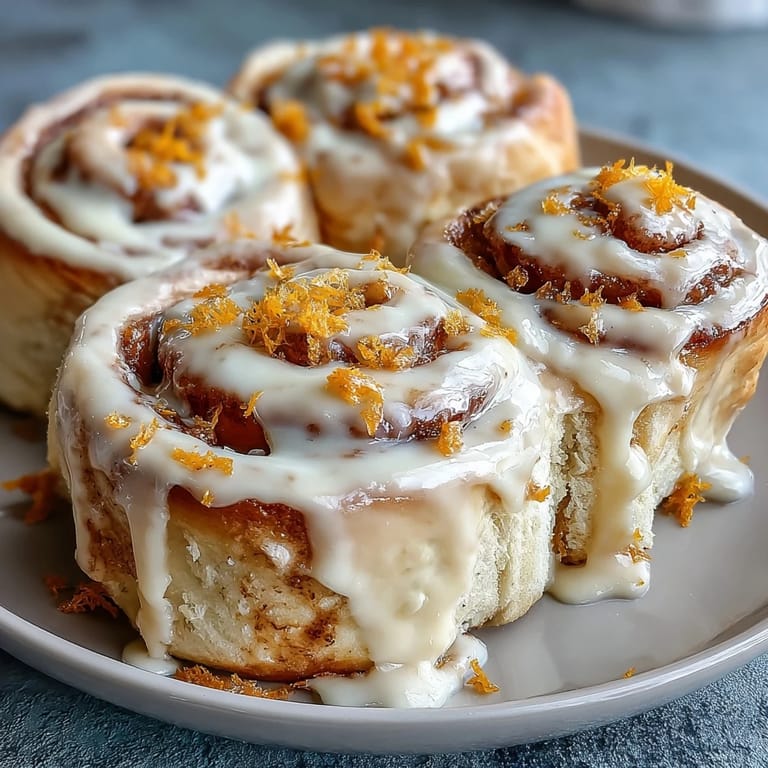
Save My kitchen smelled like a candied orange dream the first time I attempted these rolls, and honestly, I almost didn't bake them because I kept stopping to breathe in the aroma of the dough. There's something about the combination of fresh orange juice and zest mixing into warm milk that just feels like breakfast luxury, and when those rolls came out of the oven golden and puffy, I knew I'd stumbled onto something special. These soft, pillowy rolls with their bright citrus filling and creamy frosting became the kind of thing I make when I want to remind myself that breakfast can be an event, not just sustenance.
I made these for my sister's birthday brunch last spring, and watching her face when she bit into one while sunlight streamed through the kitchen window made me realize that some recipes are really just an excuse to create a moment with people you love. She'd mentioned once that cinnamon rolls were too heavy for her, and these bright, citrus-forward versions felt like they were made exactly for her. That morning taught me that the best recipes are the ones that come from paying attention to what the people around you actually want.
Ingredients
- All-purpose flour: Use 3 1/4 cups (400 g) plus extra for dusting; this is your base, and getting it right means the difference between rolls that rise beautifully and ones that stay dense.
- Active dry yeast: One packet (2 1/4 tsp, 7 g) is essential, and make sure it's fresh by checking the expiration date because old yeast means sad, flat rolls.
- Orange juice and zest: Fresh is crucial here; bottled juice works but fresh-squeezed oranges give you that bright, real citrus note that makes these different from any other roll.
- Whole milk, warmed: Use 1/2 cup (120 ml), and warm it to around 110°F so the yeast wakes up happily without getting shocked by heat.
- Unsalted butter: You'll need 1/4 cup (60 g) melted for the dough plus another 1/4 cup (60 g) softened for the filling; butter is what makes these rolls tender and rich.
- Eggs: Two large eggs at room temperature incorporate more smoothly and create a softer crumb than cold eggs would.
- Granulated sugar: 1/4 cup (50 g) for the dough and another 1/2 cup (100 g) for the filling; sugar feeds the yeast and sweetens without overwhelming the orange flavor.
- Salt: Just 1/2 tsp in the dough, but it's the secret that keeps everything balanced and prevents the sweetness from tasting flat.
- Cream cheese and butter for frosting: Both should be softened to room temperature so the frosting comes together smooth and spreadable, not lumpy.
- Powdered sugar: 1 1/4 cups (150 g) gives you that silky frosting texture without grittiness.
Tired of Takeout? 🥡
Get 10 meals you can make faster than delivery arrives. Seriously.
One email. No spam. Unsubscribe anytime.
Instructions
- Wake up the yeast:
- Combine 1/2 cup warmed milk, 1/4 cup orange juice, 1/4 cup sugar, and your packet of yeast in a large bowl, then let it sit for 5 to 10 minutes until it's foamy on top. This foaminess is your signal that the yeast is alive and ready to make magic happen.
- Build the dough:
- Stir in the melted butter, orange zest, eggs, and salt, mixing until everything is combined. The dough will look shaggy at this point, which is exactly where you want it.
- Knead until silky:
- Gradually add the flour a bit at a time, mixing with your hands or a dough hook for 8 to 10 minutes until the dough becomes smooth and elastic. You'll feel it transform under your hands from sticky and rough to soft and almost alive, which is the moment you know it's ready.
- Let it rise:
- Place the dough in a greased bowl, cover it loosely with a kitchen towel, and set it in a warm, draft-free spot for about an hour until it's doubled. My favorite trick is turning my oven light on with the door cracked; the warmth is gentle and consistent.
- Make the fragrant filling:
- Mix 1/2 cup sugar with 2 tablespoons of orange zest in a small bowl, and rub it between your fingers to release all those essential oils. This little step makes the filling smell incredible and distributes the citrus flavor evenly.
- Roll out and fill:
- Punch down the risen dough and roll it on a floured surface into a 16 by 10-inch rectangle, then spread 1/4 cup softened butter over it and sprinkle the orange sugar mixture evenly across. The butter makes the filling stick, and the sugar-zest mixture creates those gorgeous little flavor pockets.
- Shape the rolls:
- Starting from the long side, roll the rectangle tightly into a log, then use a sharp knife or even dental floss to cut it into 12 equal pieces. Dental floss is a secret weapon here because it doesn't squash the dough like a knife might.
- Second rise:
- Arrange the rolls in a greased 9 by 13-inch baking dish, cover them loosely, and let them rise for 30 to 40 minutes until they're puffy and touching each other slightly. They should feel light when you gently press one.
- Bake until golden:
- Preheat your oven to 350°F while the rolls finish rising, then bake for 22 to 25 minutes until the tops are golden brown and the kitchen smells like sunrise. Don't overbake; they should still have just a touch of give when you press the top.
- Make the frosting:
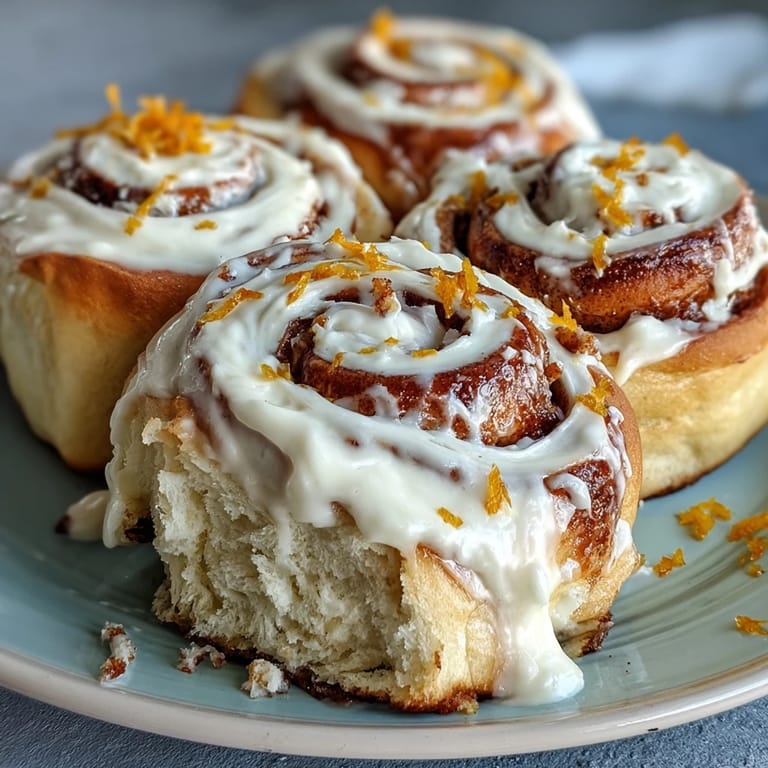
- While rolls bake, beat 4 ounces softened cream cheese and 2 tablespoons softened butter until smooth, then add 1 1/4 cups powdered sugar, 2 tablespoons fresh orange juice, 1 teaspoon zest, 1/2 teaspoon vanilla, and a pinch of salt. Beat until creamy and spreadable, not grainy.
- Frost while warm:
- Let the rolls cool for about 10 minutes (not longer, or the frosting won't melt into them beautifully), then spread the frosting generously over each warm roll. The warmth softens the frosting slightly and helps it sink into the crevices.
 Save
Save There was a quiet Tuesday morning when my neighbor came over because she'd smelled these rolls baking through our shared wall, and we ended up having coffee and talking for two hours about nothing important while fresh rolls sat between us. That's when I realized these aren't really about the recipe at all; they're about the excuse to slow down and share something warm with someone else. Every time I make them now, I think about that morning and save one extra roll just in case.
Timing and Preparation Tips
These rolls require patience, but not constant attention, which makes them perfect for weekend mornings when you want something special without stress. The total time is about two and a half hours including rising, so plan accordingly; you can start them mid-morning and have them ready for a leisurely brunch. The beauty is that you can make them ahead: shape them the night before, refrigerate them covered, and let them come to room temperature for about 30 minutes before baking the next morning.
Troubleshooting and Common Questions
If your dough isn't rising, check that your yeast is fresh and your rising spot is actually warm; a cold kitchen will double the rising time or stall it entirely. If the rolls spread out too much instead of staying tall, you likely overproofed them, so watch for them to puff up rather than timing it by the clock. When the frosting seems too thin, you probably used juice that was too warm or added too much at once; just add a bit more powdered sugar and you'll get the consistency you want.
Variations and Serving Ideas
I've played with these rolls a dozen different ways, and each time I learn something new about what citrus can do in baked goods. You can add a teaspoon of orange extract to the frosting for even more intensity, or swap in lemon zest for half the orange if you want something slightly brighter. These are perfect with Earl Grey tea or fresh orange juice, but I've also served them at dessert with a glass of prosecco and nobody complained, and they're remarkable straight from the fridge on day two, which is when the flavors actually deepen and mellow slightly.
- For a gift-worthy presentation, arrange them on a pretty platter and drizzle extra frosting over the top before serving.
- If you want to make them even more decadent, candied orange peel scattered over the frosting adds a gorgeous texture and bitter-sweet bite.
- Store them in an airtight container at room temperature for two days, or freeze the unfrosted baked rolls for up to a month and frost them fresh when ready to serve.
 Save
Save These rolls are the kind of recipe that reminds you why you love being in the kitchen, and honestly, they're worth the time investment just for how good they smell while baking. Make them for someone you love, or make them for yourself on a morning when you deserve something bright and a little bit fancy.
Recipe FAQ
- → How do you achieve soft texture in these rolls?
Using warm milk and allowing the dough to rise properly helps develop a tender crumb. Kneading until smooth also creates elasticity for softness.
- → What gives these rolls their citrus flavor?
Fresh orange zest and juice are incorporated into both the dough and filling, infusing bright, natural orange notes throughout.
- → Can I prepare the dough ahead of time?
Yes, after shaping the rolls, refrigerate them overnight. Bring to room temperature before the final rise and baking.
- → What frosting complements the rolls best?
A creamy frosting made with cream cheese, butter, powdered sugar, and fresh orange juice and zest balances sweetness with citrus tang.
- → Are these suitable for vegetarian diets?
Yes, the rolls contain no meat products and are vegetarian-friendly, but include dairy and eggs.