 Save
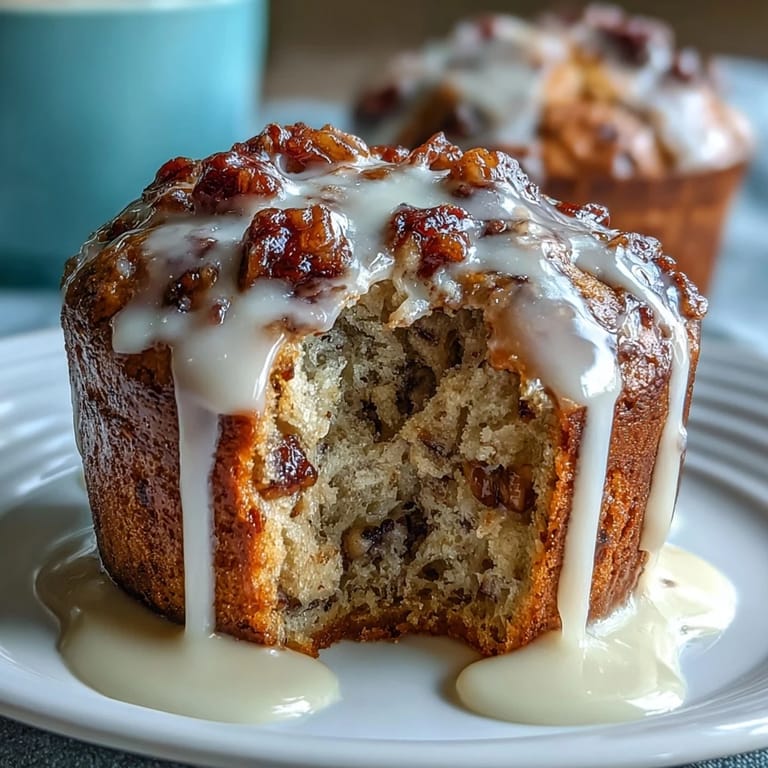
Save My neighbor knocked on the door one April morning with a plate of these lemon poppy seed muffins still warm from her oven, and I've been chasing that exact golden-brown perfection ever since. There's something about the brightness of fresh lemon that just feels like spring breaking through your kitchen window, especially when those little poppy seeds catch the light. The first time I made them myself, I was nervous about overmixing the batter—everyone warns you about it—but the moment I poured that silky lemon glaze over the cooled muffins, all doubt melted away. Now they're my go-to when I want something that tastes impressive but doesn't demand hours of fussing.
I made a batch for my book club last May, and someone actually asked for the recipe before they'd finished their first muffin—that's when I knew these were keeper material. What surprised me most was how the poppy seeds add this subtle crunch that makes each bite interesting, not just pleasant. One guest even asked if they were store-bought because she couldn't believe something so polished came from a regular home kitchen.
Ingredients
- All-purpose flour (2 cups): Use fresh flour if you can; older flour loses its lift, and these muffins depend on that tender crumb.
- Granulated sugar (3/4 cup): Don't skip on quality here—it dissolves into the batter and sweetens without grittiness.
- Poppy seeds (2 tbsp): These aren't just for looks; they add a gentle earthiness that balances the brightness of lemon.
- Baking powder and baking soda (1 1/2 tsp and 1/2 tsp): The combination ensures your muffins rise properly and stay tender, not dense.
- Salt (1/2 tsp): A tiny pinch that makes the lemon flavor pop and prevents sweetness from becoming cloying.
- Eggs (2 large, room temperature): Room temperature eggs blend more evenly into the batter, giving you a silkier texture.
- Whole milk or buttermilk (3/4 cup): Buttermilk adds a subtle tang that deepens the lemon notes beautifully.
- Unsalted butter, melted (1/2 cup): Melted butter creates a moister muffin than solid butter would, and cooling it slightly prevents scrambling the eggs.
- Fresh lemon juice (1/4 cup): This is where the soul of the recipe lives—always fresh, never bottled, or the flavor turns sharp and hollow.
- Lemon zest (2 lemons): The zest carries the most fragrant oils; don't underestimate how much flavor those tiny flecks deliver.
- Vanilla extract (1 tsp): Just enough to round out the flavors without announcing itself.
- Powdered sugar (1 cup) and fresh lemon juice (2–3 tbsp): The glaze should be thick but still drizzle-able; add juice slowly so you don't end up with something too thin.
Tired of Takeout? 🥡
Get 10 meals you can make faster than delivery arrives. Seriously.
One email. No spam. Unsubscribe anytime.
Instructions
- Heat your oven and prepare:
- Preheat to 375°F (190°C) and line your muffin tin with paper liners or a light grease coating. This step matters more than it seems—cold batter hitting a cold tin means your muffins won't have that beautiful domed top.
- Combine your dry team:
- Whisk together flour, sugar, poppy seeds, baking powder, baking soda, and salt in a large bowl. The whisking aerates the flour and distributes the leavening agents evenly, which means every muffin rises predictably.
- Build your wet mixture:
- In a separate bowl, whisk eggs, milk, melted butter, lemon juice, zest, and vanilla until the color is uniform and you can't see any streaks of egg white. This takes about a minute, and it's worth doing thoroughly.
- The gentle fold:
- Pour wet ingredients into dry and stir with a spatula just until you don't see any flour streaks—this is the critical moment where restraint pays off. Overmixing gluten toughens the muffins, so stop yourself before you think you're done.
- Fill with purpose:
- Divide batter evenly among cups, filling each about three-quarters full. If you fill them too high, they'll overflow; too low, and they'll bake unevenly with flat tops.
- Bake until golden:
- Bake for 16–18 minutes, watching until the tops turn light golden and a toothpick inserted into the center comes out clean. If your oven runs hot, start checking at 15 minutes.
- Cool with patience:
- Let muffins rest in the tin for 5 minutes before transferring to a wire rack to cool completely. This resting time prevents them from crumbling and keeps the structure intact.
- Make your glaze magic:
- Whisk powdered sugar with lemon juice, adding juice a tablespoon at a time until you reach a consistency that coats the back of a spoon but still flows. Stir in zest if you want that extra hit of brightness.
- The final gloss:
- Drizzle glaze over completely cooled muffins and let it set for 10 minutes. Glazing warm muffins makes the glaze slide right off, so patience here makes a real difference.
 Save
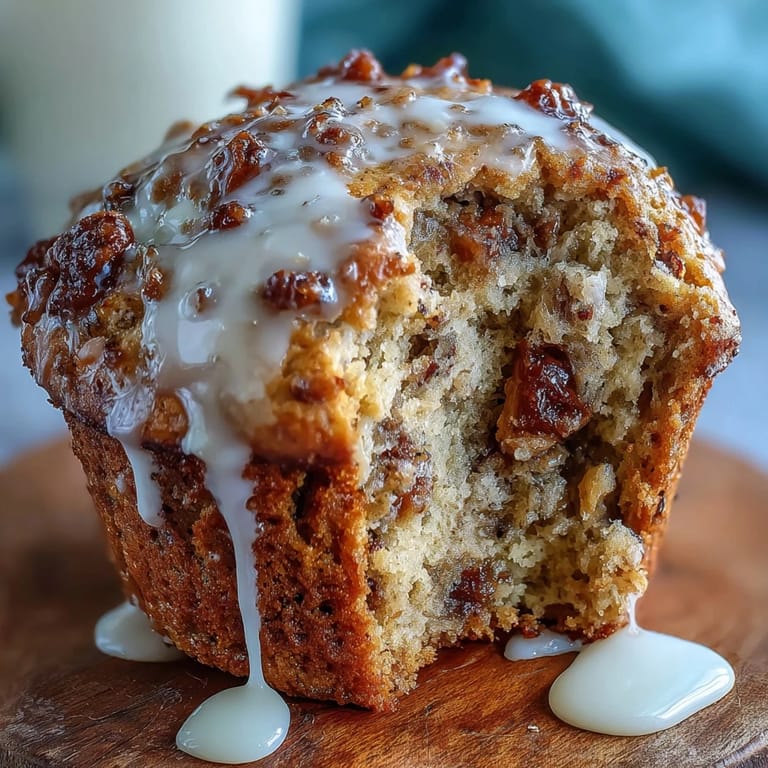
Save These muffins stopped being just breakfast food for me the day my daughter brought them to school for a bake sale and they sold out before third period. Suddenly, they weren't just something I made on lazy Sunday mornings—they became this small thing I could create that made people genuinely happy.
The Secret to Perfect Muffin Texture
The difference between a muffin that tastes homemade in the best way and one that feels vaguely rubbery comes down to two things: not overmixing and baking until just done. I learned this the hard way by making a batch where I stirred the batter like I was trying to smooth concrete, and they came out with the texture of pounded chicken. Now I use a light hand and trust that a few small lumps of flour are actually your friends.
Why Fresh Lemon Matters Here
Bottled lemon juice has preservatives and tastes hollow compared to the real thing, which is somehow both tart and bright at the same time. When you cut into a fresh lemon and smell that citrus burst, you're getting the actual essence that bottled juice can only hint at. I keep a bowl of lemons on my counter during spring specifically so I can zest and juice them whenever the craving hits.
Variations and Storage Wisdom
These muffins live happily in an airtight container at room temperature for up to two days, though honestly they rarely last that long. You can also swap half the butter for Greek yogurt if you want something slightly lighter, or add an extra tablespoon of zest if lemon is your love language. If you're feeling adventurous, a pinch of cardamom or a dusting of cinnamon on top before baking adds an unexpected warmth.
- Make sure your lemon juice is at room temperature so it doesn't shock the batter when you add it.
- If your muffins dome too much and crack, your oven is probably hotter than you think, so lower the rack position next time.
- Leftover muffins taste even better the next day as flavors settle, so don't judge them straight out of the oven.
 Save
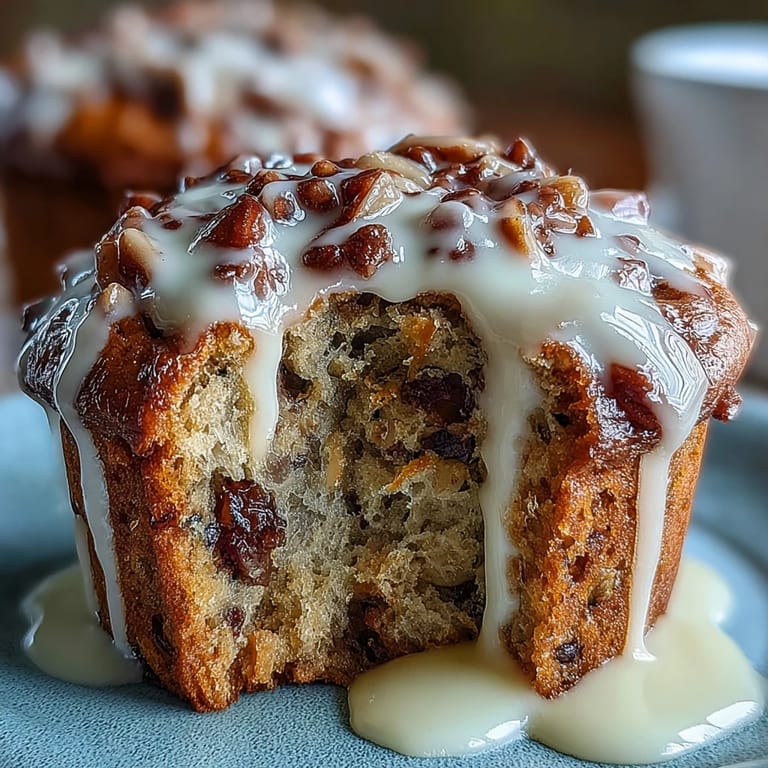
Save These muffins have become my quiet Sunday ritual, the kind of thing that makes an ordinary morning feel a little more intentional. There's something grounding about pulling a batch from the oven and knowing you've created something that tastes like spring, no matter what the calendar says.
Recipe FAQ
- → How do I ensure the muffins stay moist?
Use melted butter and buttermilk or whole milk as specified to keep the texture tender and moist. Avoid overmixing the batter to prevent dryness.
- → Can I substitute ingredients for dietary needs?
Yes, Greek yogurt can replace half the butter for a lighter result. For dairy-free, consider plant-based milk and butter alternatives, adjusting moisture accordingly.
- → What is the best way to add more lemon flavor?
Increase fresh lemon zest in the batter or glaze to intensify the citrus notes without overpowering the balance.
- → How should these muffins be stored?
Keep in an airtight container at room temperature for up to two days to maintain freshness and texture.
- → Can these be made ahead of time?
Yes, you can bake them in advance and refrigerate or freeze. Allow muffins to cool completely before storing and warm gently before serving.