 Save
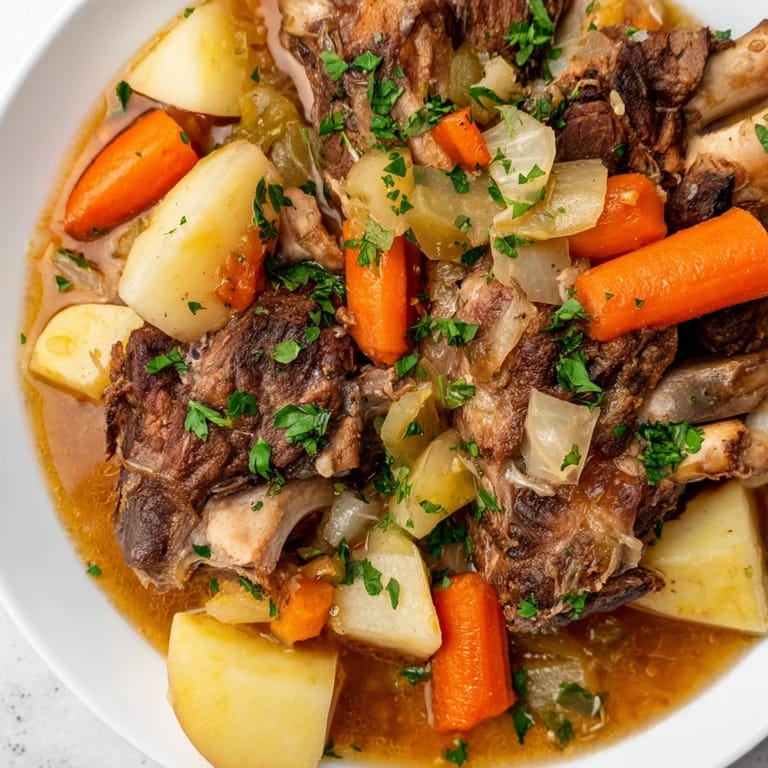
Save My grandmother used to make cawl on the coldest afternoons, and the kitchen would fill with steam that fogged up all the windows. She'd tell me it was Welsh magic—just lamb, vegetables, and time working together to make something that warmed you from the inside out. The first time I made it myself, I was surprised how simple it actually was, yet how deeply satisfying. It's the kind of dish that tastes like home, no matter where you're eating it.
I once made this for friends who showed up unexpectedly on a rainy Friday, and watching them eat in near silence before asking for seconds told me everything I needed to know about this recipe. There's something about a bowl of cawl that brings people together without any fuss—it just sits there, honest and nourishing, asking nothing but your appetite.
Ingredients
- Lamb shoulder, bone-in, 1 kg cut into large chunks: Bone-in means deeper flavor—the marrow whispers into the broth as everything simmers together.
- Carrots, 2 large, peeled and sliced: They'll soften into the stew and turn almost sweet from the long cooking.
- Parsnips, 2 medium, peeled and sliced: These add a subtle earthiness that makes people pause and ask what that flavor is.
- Potatoes, 2 medium, peeled and diced: They'll thicken the broth naturally and become tender enough to break with your spoon.
- Swede (rutabaga), 1 small, peeled and diced: A Welsh staple that adds mild sweetness and texture variation.
- Leeks, 2, cleaned and sliced: The real soul of cawl—add them in two stages so some become silky while others keep their bite.
- Onion, 1 medium, diced: It dissolves into the broth almost entirely, building a foundation of flavor.
- Stock, 1.5 liters low-sodium chicken or lamb: Use lamb if you can find it; the flavor conversation between lamb stock and lamb meat is real.
- Bay leaves, 2: Don't skip these—they're subtle but essential, like a quiet voice in the background.
- Fresh parsley, 1 small bunch, chopped: Add most of it at the end to keep its bright green color and fresh taste alive.
- Salt and freshly ground black pepper: Taste as you go near the end; the flavors will concentrate and shift.
Tired of Takeout? 🥡
Get 10 meals you can make faster than delivery arrives. Seriously.
One email. No spam. Unsubscribe anytime.
Instructions
- Sear and simmer the lamb:
- Place your lamb chunks in a large pot and pour the stock over them. Bring it to a rolling boil and you'll see foam rise to the surface—skim it off with a spoon, which takes just a minute and makes the final broth clearer and cleaner tasting.
- Build the base:
- Add the bay leaves, turn the heat down to a gentle simmer, and cover the pot. Let it bubble quietly for a full hour while the lamb surrenders to the heat and becomes tender enough to almost fall apart.
- Add the root vegetables:
- Stir in the carrots, parsnips, potatoes, swede, and onion, along with most of the leeks (hold back a handful for later). Season generously with salt and pepper, then cover again and let it simmer for about 45 minutes until everything is soft.
- Finish with freshness:
- Add those reserved leeks and the chopped parsley, letting them warm through for about 10 minutes. This timing means the leeks stay tender but not mushy, and the parsley stays bright and fresh rather than fading into the background.
- Taste and adjust:
- Before serving, remove the bay leaves and take a moment to taste the broth—it might need a little more salt, maybe a grind of black pepper. Trust your palate here.
 Save
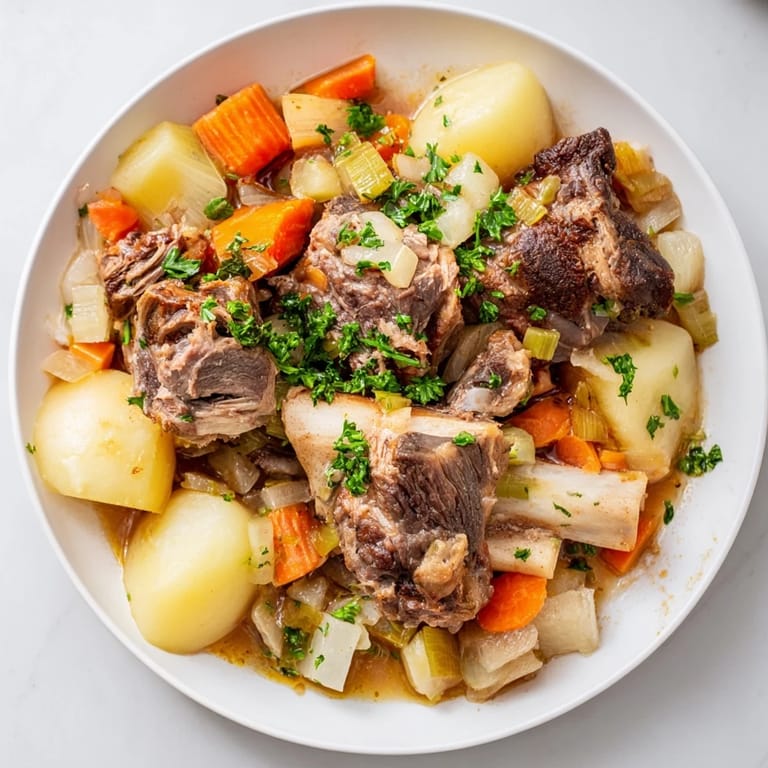
Save I learned something important the first time I made cawl for my partner's family: this isn't the kind of dish you eat quickly. You linger over it, the spoon moving slowly, pausing between bites to appreciate the tenderness of the meat or the subtle sweetness that the swede brings. It became a ritual, a reason to sit at the table longer than usual.
The Leek Moment
Leeks are the signature player in cawl, and learning to treat them with respect changed how I approach this dish. The first batch goes in early and nearly dissolves, thickening the broth with their essence, while the second batch stays textured and fresh. It's a quiet technique, but it's what separates a good cawl from one that tastes like every vegetable was forgotten at the same moment.
Why This Tastes Like Coming Home
There's something about the simplicity of cawl that makes it feel timeless. It's not trying to impress anyone or show off fancy techniques—it just wants to warm you up and fill your belly with something real. The flavors build slowly and honestly, each ingredient doing exactly what it's meant to do without any pretense.
Serving and Storage
Serve cawl in deep bowls while it's steaming hot, with crusty bread or Welsh cheese like Caerphilly on the side. The broth is the best part, so don't shy away from lifting the bowl to drink it straight if no one's watching. Leftovers actually improve after a day in the fridge, and the whole thing reheats beautifully on the stovetop or in the microwave.
- Make it ahead of time—cawl actually tastes better the next day when all the flavors have gotten to know each other.
- If you're using a slow cooker, follow the same layering order and cook on low for 6 to 8 hours instead.
- This freezes well for up to three months, though the potatoes will be softer when thawed.
 Save
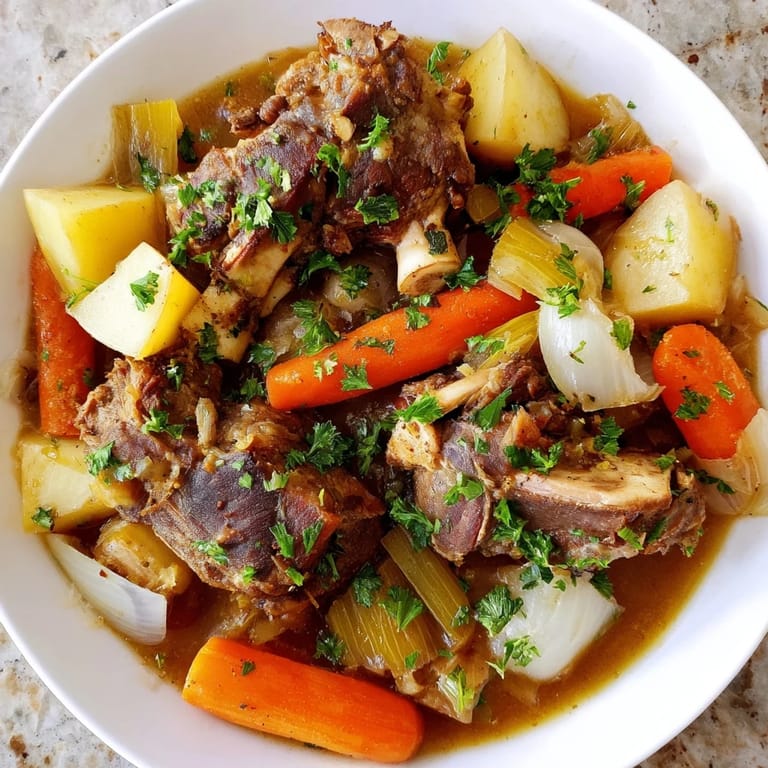
Save Cawl is one of those recipes that reminds you why people gather around tables in the first place. Make this on a cold day, share it with someone who needs warming up, and let the simplicity of it speak for itself.
Recipe FAQ
- → What cut of meat is best for this dish?
Lamb shoulder with the bone-in is preferred to enhance the flavor and tenderness after a long simmer.
- → Can I use other vegetables besides the traditional ones?
Root vegetables like carrots, parsnips, potatoes, and swede provide the classic taste, but you can adjust based on seasonal availability.
- → How long should the dish simmer?
Simmering for about 2 hours allows the lamb to become tender and the flavors to fully develop.
- → Is it possible to prepare this in advance?
Yes, making it a day ahead helps deepen the flavor as ingredients meld together overnight in the refrigerator.
- → What are common accompaniments for this dish?
Crusty bread or traditional Welsh cheeses like Caerphilly complement the stew well and add texture variation.