 Save
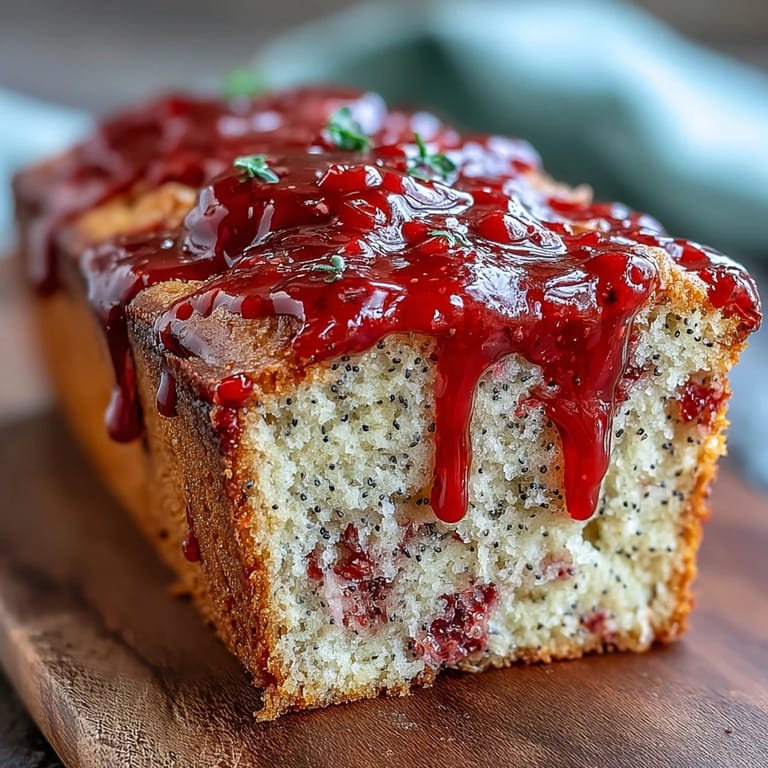
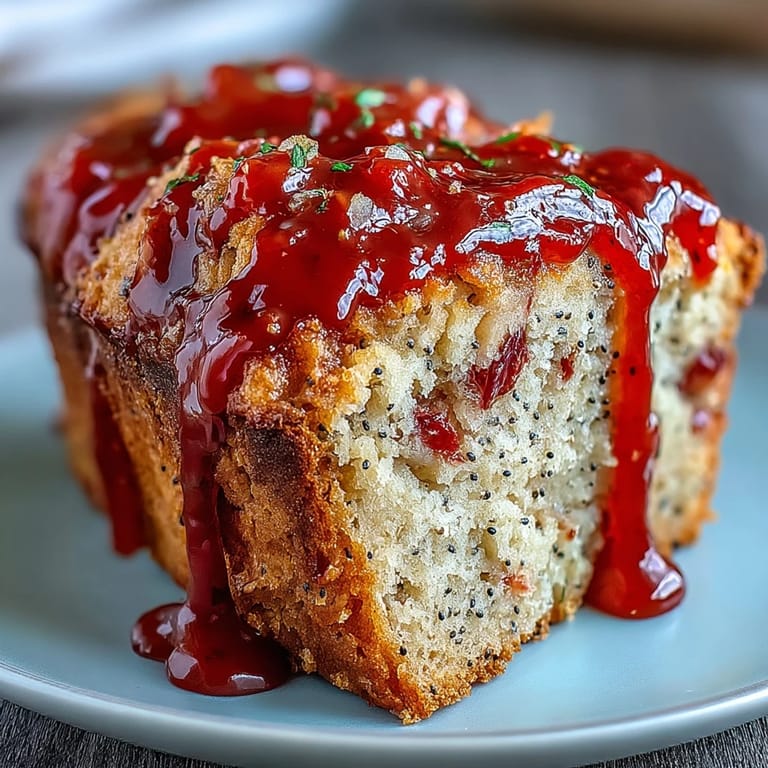
Save The first blood oranges of the season appeared at the farmers market on a cold February morning, their crimson flesh almost glowing under the tent lights. I bought six on impulse, drawn by their jewel-like color, and spent the afternoon zesting and juicing them into this loaf. The kitchen smelled like winter citrus and almond, and when I pulled the cake from the oven, its crust had cracked just enough to reveal that gorgeous ruby interior. It looked too pretty to eat, but we did anyway, still warm, with butter melting into every slice.
I brought this to a brunch once, still warm in its pan, wrapped in a kitchen towel. My friend sliced it at the table, and we watched the steam rise, carrying that unmistakable scent of orange and vanilla. Someone asked if it was difficult, and I laughed because it really isn't, just a little patience and good fruit. We ate the whole loaf in one sitting, passing slices back and forth, fingers sticky with glaze.
Ingredients
- All-purpose flour: The backbone of the loaf, giving it structure without weighing it down—spoon it into your measuring cup and level it off for the best texture.
- Baking powder: Essential for a tender, airy crumb, make sure yours is fresh or the cake will sit heavy.
- Salt: Just a pinch sharpens the citrus and balances the sweetness of the marzipan.
- Poppy seeds: They add visual speckle and a subtle, earthy crunch that feels very European bakery.
- Unsalted butter: Softened to room temperature, it creams beautifully with the sugar and keeps the crumb moist for days.
- Granulated sugar: Sweetens the cake and helps create that light, fluffy batter when beaten with the butter.
- Blood orange zest: This is where the magic lives, packed with aromatic oils that perfume the entire loaf.
- Eggs: Bind everything together and add richness, always use them at room temperature for the smoothest batter.
- Marzipan: Grate it finely so it melts into the batter, adding almond sweetness and keeping the cake incredibly moist.
- Blood orange juice: Fresh-squeezed is non-negotiable here, its tart brightness cuts through the richness and gives the cake its signature flavor.
- Whole milk: Adds tenderness and helps the batter come together without being too thick.
- Vanilla extract: A warm backdrop that quietly supports the citrus and almond without competing.
- Powdered sugar: For the glaze, it dissolves instantly and creates a smooth, glossy finish.
Tired of Takeout? 🥡
Get 10 meals you can make faster than delivery arrives. Seriously.
One email. No spam. Unsubscribe anytime.
Instructions
- Preheat and Prep Your Pan:
- Set your oven to 175°C and line your loaf pan with parchment, leaving a little overhang on the sides so you can lift the cake out easily later. This step saves you from wrestling a warm cake out of the pan.
- Mix Your Dry Ingredients:
- Whisk the flour, baking powder, salt, and poppy seeds together in a bowl until the seeds are evenly distributed. Set it aside while you work on the wet ingredients.
- Cream the Butter and Sugar:
- Beat the softened butter, sugar, and blood orange zest together until the mixture is pale, fluffy, and smells like a citrus grove. This takes about three minutes and aerates the batter beautifully.
- Add the Eggs:
- Crack in the eggs one at a time, beating well after each addition so the batter stays smooth and emulsified. If it looks a little curdled, don't panic, it will come together when you add the flour.
- Fold in the Marzipan:
- Grate the marzipan finely and fold it through the batter until you see little flecks throughout. It will soften and melt as the cake bakes, creating pockets of almond sweetness.
- Combine the Liquids:
- Whisk together the blood orange juice, milk, and vanilla in a small bowl. The juice might be a little pulpy, which is perfectly fine and adds texture.
- Alternate Wet and Dry:
- Add the flour mixture in three additions, alternating with the blood orange liquid, starting and ending with flour. Mix gently until just combined, a few streaks of flour are better than an overmixed, tough cake.
- Bake the Loaf:
- Pour the batter into your prepared pan, smooth the top, and bake for 45 to 55 minutes until a toothpick comes out clean. The top will crack slightly and turn golden, with hints of that ruby batter peeking through.
- Cool Completely:
- Let the cake cool in the pan for ten minutes, then lift it out using the parchment overhang and transfer to a wire rack. Resist the urge to glaze it while warm or it will soak in instead of sitting glossy on top.
- Make and Apply the Glaze:
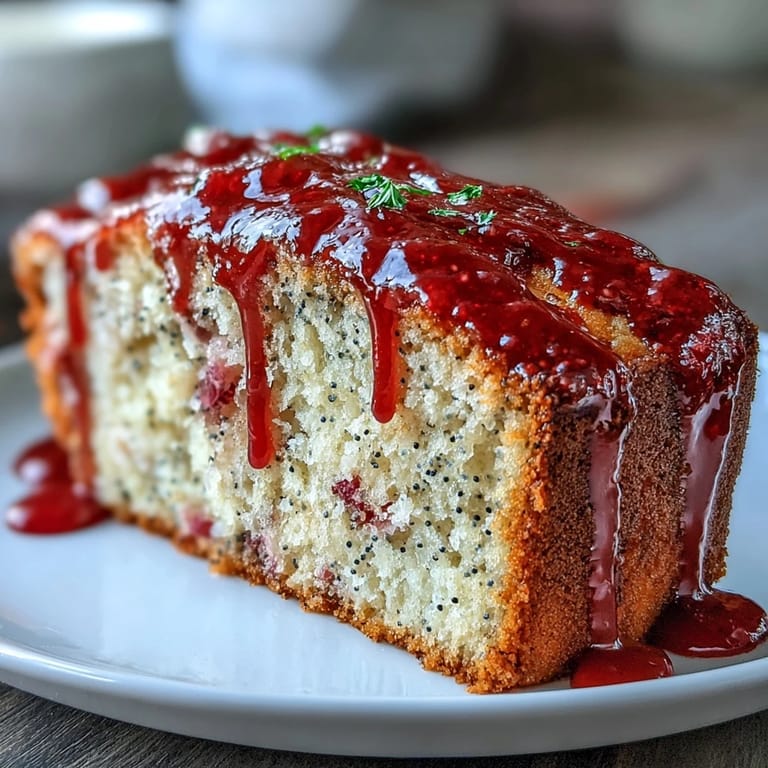
- Whisk powdered sugar with blood orange juice until smooth and pourable, then drizzle it over the cooled cake in thin streams. Let it set for a few minutes before slicing so it firms up just enough to look bakery-perfect.
 Save
Save This cake became my go-to whenever I wanted to feel like I'd made something special without spending all day in the kitchen. The way the glaze catches the light, the way the poppy seeds dot the crumb like little constellations, it feels like a gift every time. I've made it for birthdays, quiet Sundays, and once for a neighbor who needed cheering up, and it always does the job.
Storing and Keeping It Fresh
This loaf stays beautifully moist for two to three days at room temperature, wrapped in parchment or stored in an airtight container. The marzipan and blood orange juice work together to keep the crumb tender even as it sits. If you want to make it ahead, bake the cake and freeze it unglazed for up to a month, then thaw, glaze, and serve as if it were freshly baked. I've also found that a thin slice toasted lightly in a skillet with a little butter makes an incredible breakfast the next day.
Flavor Variations and Swaps
If blood oranges aren't in season, regular oranges or even Meyer lemons work beautifully, though you'll lose that striking ruby color. You can swap the marzipan for almond paste if you want a deeper, less sweet almond flavor, or leave it out entirely and add a handful of sliced almonds to the top before baking. A splash of orange liqueur in the glaze adds a grown-up edge that pairs perfectly with afternoon coffee or a glass of something sparkling.
Serving Suggestions and Pairings
This cake shines at brunch, served in thick slices alongside strong coffee or a pot of Earl Grey. It also makes a lovely dessert with a dollop of lightly sweetened mascarpone or crème fraîche on the side. I've served it with Prosecco at a spring gathering, and the citrus and bubbles were a perfect match.
- Serve warm with butter for a cozy breakfast treat.
- Pair with a citrus salad or vanilla ice cream for a light dessert.
- Wrap a slice in parchment and tuck it into a lunchbox for a midday surprise.
 Save
Save This loaf has a way of making ordinary days feel a little more special, and I hope it does the same for you. Slice it thick, share it generously, and enjoy every ruby-red, almond-scented bite.
Recipe FAQ
- → Can I use regular oranges instead of blood oranges?
Yes, you can substitute regular oranges, though you'll lose the distinctive ruby color and slightly berry-like flavor. The cake will still be delicious and citrusy.
- → How do I know when the loaf cake is fully baked?
Insert a toothpick into the center of the cake. If it comes out clean or with just a few moist crumbs, the cake is done. The top should be golden and spring back when lightly pressed.
- → Can I make this cake ahead of time?
Absolutely. This loaf cake actually improves after a day as the flavors meld. Store it in an airtight container at room temperature for up to 3 days, or freeze for up to 3 months.
- → What can I use instead of marzipan?
Almond paste is the closest substitute and will give a deeper almond flavor. You could also omit it and add an extra tablespoon of butter, though you'll lose the distinctive almond-citrus combination.
- → Why is my glaze too thick or too thin?
Adjust the consistency by adding more powdered sugar to thicken or more blood orange juice to thin. The glaze should be pourable but thick enough to coat the back of a spoon.
- → Can I add other mix-ins to this cake?
Yes, try adding chopped pistachios, white chocolate chips, or dried cranberries for extra texture and flavor. Fold them in with the marzipan for even distribution.